English
 Arabic
 French
 Spanish
 Portuguese
 Deutsch
 Turkish
 Dutch
Dutch
 Italiano
 Russian
 Romaian
 Portuguese (Brazil)
 Greek
Greek
FYP Worthy Us Deadly Few by Alexis Patton
Travel |
2026-06-11 06:39:35
 Advertise With Us
 About Us
 Terms And Conditions
 Privacy Policy
See All
Privacy Policy
See All

Upgrade to Pro
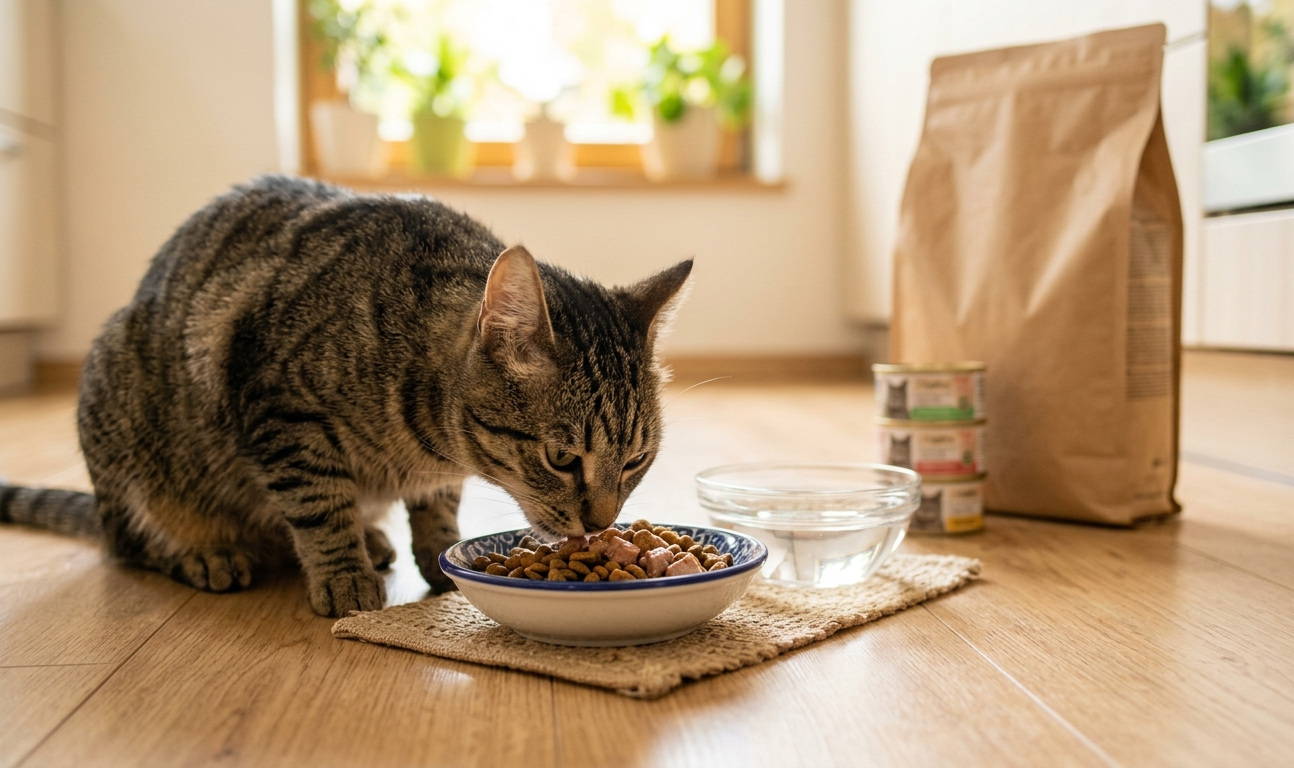
For cat parents across the USA, feeding time is more than just filling a bowl—it’s a daily decision that affects your cat’s health, energy, and longevity. With so many brands, formulas, and bold claims on the shelves, choosing the right cat food can feel overwhelming. Add concerns like budget, ingredient quality, and specific health needs, and the confusion only grows.
This guide breaks down everything you need to know about selecting nutritious, safe, and affordable cat food while focusing on what truly matters for your feline companion. Whether you’re caring for a playful kitten, an active adult cat, or a senior with special needs, this article will help you make confident, informed choices.
Cats are obligate carnivores, which means their bodies are designed to thrive on animal-based nutrition. Unlike dogs, cats cannot efficiently process large amounts of carbohydrates or plant proteins. When cats are fed low-quality diets over time, it can lead to issues such as:
Poor coat and skin health
Digestive upset
Weight gain or obesity
Muscle loss
Lower energy levels
High-quality cat food supports strong muscles, healthy organs, sharp vision, and a robust immune system. The right nutrition can even reduce future vet bills by preventing diet-related health problems.
Protein is the most critical nutrient in a cat’s diet. It supports muscle development, organ function, and overall vitality. Diets focused on high-protein cat food are especially beneficial for:
Active indoor cats
Growing kittens
Cats recovering from illness
Senior cats needing muscle maintenance
Look for named animal proteins such as chicken, turkey, salmon, or beef listed as the first ingredient. These provide essential amino acids like taurine, which cats must get from food to support heart and eye health.
Healthy fats supply energy and help absorb fat-soluble vitamins. Omega-3 and omega-6 fatty acids contribute to a shiny coat, healthy skin, and brain function.
Balanced cat food includes added vitamins and minerals to support bone health, immunity, and metabolic functions. Taurine deserves special attention—its deficiency can lead to serious heart and vision problems.
Dry food is popular among USA cat owners because it’s convenient, budget-friendly, and easy to store. It can also help reduce plaque buildup when formulated correctly.
Best for:
Free-feeding households
Cats with strong drinking habits
Budget-conscious pet parents
Wet food contains higher moisture levels, making it ideal for hydration. It’s often more palatable and easier to chew.
Best for:
Cats prone to urinary issues
Older cats or those with dental problems
Picky eaters
Many veterinarians recommend a mix of both to balance convenience, hydration, and nutrition.
Feeding your cat well doesn’t mean overspending. The key to finding affordable cat food is understanding value—not just price.
Read ingredient labels carefully: Focus on protein sources, not flashy packaging
Avoid fillers: Corn, wheat, and soy offer little nutritional value for cats
Buy in bulk: Larger bags or multipacks often cost less per serving
Stick to trusted brands: Reputable manufacturers maintain quality control
Choose life-stage appropriate formulas: Avoid paying for unnecessary additives
Affordable cat food can still meet nutritional standards when it’s thoughtfully formulated and properly balanced.
Kittens need calorie-dense food with higher protein and fat to support growth and development. Always choose kitten-specific formulas.
Adult cats benefit from balanced diets that maintain weight and muscle mass without excess calories.
Older cats may require softer textures, easier digestion, and targeted nutrients to support joints, kidneys, and heart health.
Not necessarily. While some cats benefit from grain-free diets, grains themselves aren’t harmful unless your cat has a specific sensitivity.
Cats have very different nutritional needs and cannot thrive on dog food or plant-heavy diets.
Price alone doesn’t define quality. Some affordable options meet all nutritional standards when formulated correctly.
Glossy coat
Clear eyes
Consistent energy
Healthy weight
Regular digestion
Excessive shedding
Vomiting or diarrhea
Lethargy
Sudden weight changes
Food refusal
If you notice persistent issues, consult your veterinarian and reassess your cat’s diet.
Switching food suddenly can upset your cat’s stomach. Always transition gradually over 7–10 days:
Mix 25% new food with 75% old food
Increase to 50/50 after a few days
Move to 75% new food
Fully switch once digestion remains stable
This slow approach helps prevent digestive discomfort and food rejection.
Modern indoor cats are less active than their wild ancestors, yet their biological need for protein remains high. High Protein Cat Food helps:
Preserve lean muscle
Maintain healthy metabolism
Support immune function
Promote satiety and weight control
For many USA pet parents, choosing protein-forward nutrition has become a practical way to support long-term feline wellness.
Choosing the right cat food isn’t about trends—it’s about understanding your cat’s biological needs, your household routine, and your budget. With careful label reading and thoughtful selection, you can provide nutritious, affordable meals that support your cat’s health at every stage of life.
When quality ingredients, balanced nutrition, and proper feeding practices come together, your cat enjoys more energy, better health, and a happier life by your side.
Look for an AAFCO nutritional adequacy statement on the packaging, which confirms the food meets established standards.
Yes, as long as it’s complete, balanced, and made by a reputable manufacturer with proper quality controls.
Most healthy adult cats benefit from diets where protein is the primary ingredient, typically making up a significant portion of calories.
Absolutely. Mixing both can improve hydration while maintaining convenience and cost control.
Consider switching if your cat’s life stage changes, health conditions arise, or you notice ongoing digestive or coat issues.