English
 Arabic
 French
 Spanish
 Portuguese
 Deutsch
 Turkish
 Dutch
Dutch
 Italiano
 Russian
 Romaian
 Portuguese (Brazil)
 Greek
Greek
FYP Worthy The Gulf of Lions by Caitlin Shetterly
Sports |
2026-06-19 06:45:18
 Advertise With Us
 About Us
 Terms And Conditions
 Política de Privacidade
Ver Todos
Política de Privacidade
Ver Todos

Atualize para o Pro
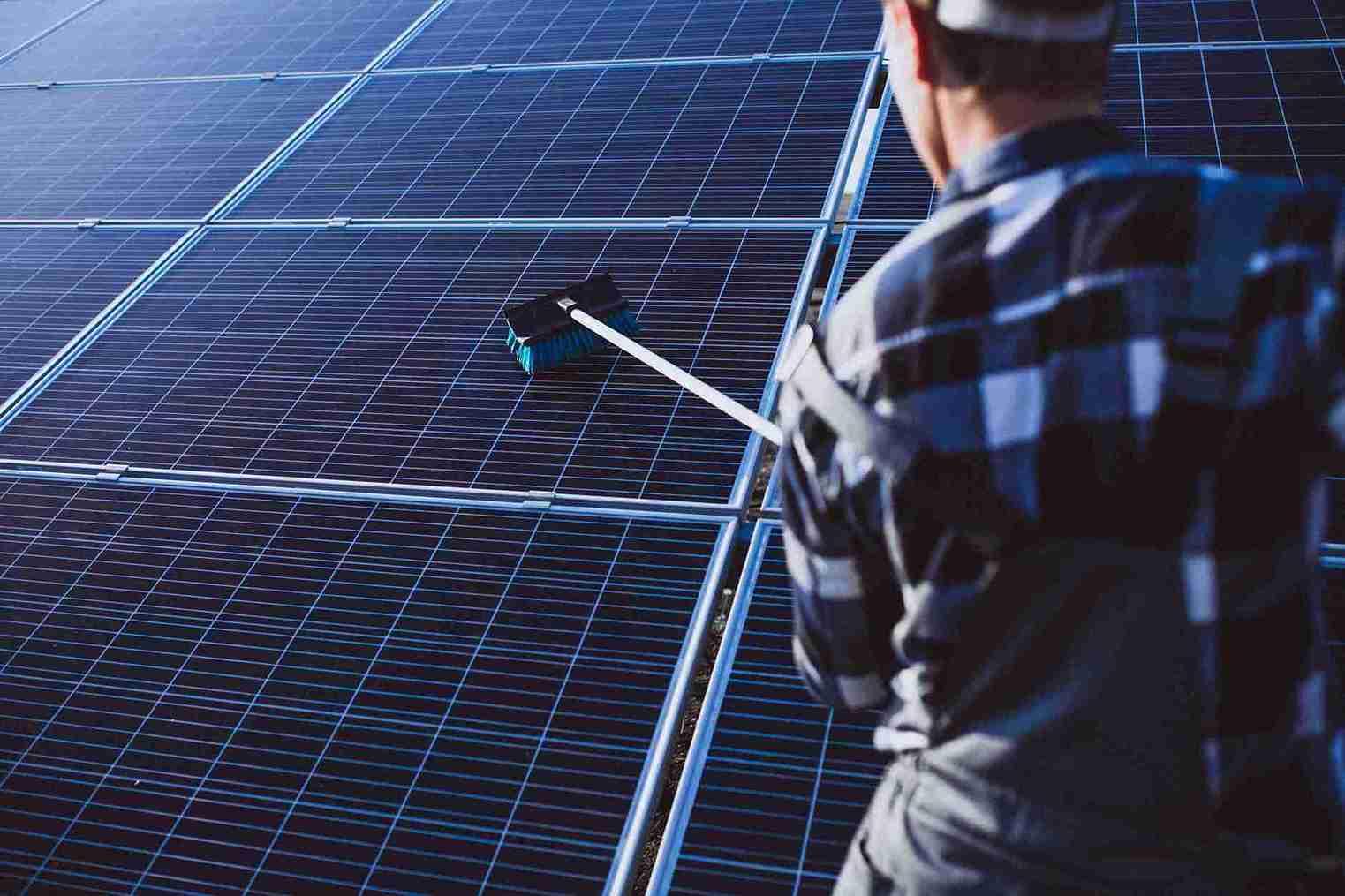
A rooftop solar system in State Life Society can lose useful sunlight long before the owner notices a serious drop on the inverter display. The solar panel cleaning advantages are straightforward: a clean glass surface lets more available light reach the cells and makes it easier to spot real faults instead of blaming every dip in output on the equipment.
This is not about making panels look polished. It is about keeping dust, bird droppings, dry leaves and cement residue from sitting on the part of the system that has to receive sunlight. A practical cleaning routine also gives homeowners a reason to inspect cable routes, mounting points and roof drainage before a minor issue turns into an expensive roof visit.
Surface dirt affects solar production because it blocks or scatters sunlight before it reaches the photovoltaic cells below the glass. Solar panels do not need spotless showroom glass, but they do need a clear enough surface for light to reach the active area consistently.
Fine dust is the usual culprit on Lahore rooftops. It settles gradually, so the change can be hard to notice from ground level. Bird droppings create denser patches that block light in a small area and deserve faster attention. Leaves trapped along the lower edge can hold moisture and grime in place, particularly after a light shower turns dust into a sticky film.
The location of the dirt matters as much as the amount. Panels near water tanks, parapet walls, open terraces or roads with regular traffic often collect more debris than panels on a higher, sheltered roof. In State Life Society, roofs used for storage, washing or repair work usually get dirty faster than quiet, unused terraces.
Compare similar sunny days. Check the inverter at roughly the same hour before cleaning, then look again after a safe clean. A pattern across several clear days tells a more honest story than one reading.
Regular cleaning improves light access, reveals physical issues and gives a cleaner baseline for checking home-system performance. It will not repair a failing inverter or remove shade from a neighbouring building, but it removes one controllable cause of underperformance.
A clean panel surface makes visual inspection less messy. You can see a crack, a shifted clamp or a line of residue repeatedly forming beneath a frame. A dusty array can hide a loose cable clip or damaged conduit until someone finally climbs onto the roof for a larger problem.
The solar panel cleaning advantages also include better decision-making. Owners often assume that any low-production day means the entire system is weak. Once the surface is clean, it becomes easier to separate soiling from shade, seasonal weather, excessive heat or electrical faults.
There is a roof-care benefit too. A short visual check can reveal standing water, blocked drains, nesting material, loose roof tiles and cracked waterproofing near supports. Solar maintenance is not only about modules. The roof around them matters as well.
Lahore’s dry weather, airborne dust and occasional construction activity make visual inspection more useful than blindly following a fixed calendar. A roof beside an active plot or a busy road can gather dust much faster than a roof a few streets away.
Light rain is not a guaranteed wash. It may shift loose dust, yet it can leave mineral marks and streaks where water dries. After rain, look for a visible film rather than assuming the panels have cleaned themselves. The lower edge of each module is a good place to check because residue often gathers there first.
Summer brings another practical issue: hot glass. Cleaning very hot panels with cold water can create a sudden temperature change that is best avoided. Early morning is often more suitable because the panels are cooler and water does not flash-dry as quickly into marks. Safety still comes first; a wet roof, loose footwear or an exposed roof edge can turn a simple job into nonsense.
For most homes, a four-to-six-week visual inspection is a reasonable starting point. Cleaning should follow visible buildup, not a fantasy promise that every home needs the same schedule. A shaded roof surrounded by trees has a different problem from an open roof coated in fine road dust.
The safest method uses cool panels, clean water, soft non-abrasive tools and controlled roof access. The aim is to lift dirt away, not scrub the glass like a bathroom tile.
Start with a dry visual inspection. Look for bird droppings, leaf piles, residue, loose wiring, cracked glass and anything that makes roof access unsafe. Read the manufacturer’s care guidance, especially where warranties specify cleaning products or pressure limits. Do not stand, kneel or place buckets on the modules.
A basic solar panel cleaning kit can include a soft microfiber pad, a non-metallic extension pole, clean water, a soft rubber squeegee and suitable safety equipment. Skip hard brushes, steel wool, harsh detergents and abrasive powders. They can scratch surfaces or leave a film that attracts more dirt.
Use modest water flow. High-pressure jets can force water into areas where they do not belong, especially near seals, frames, junction boxes and cable connectors. Work from the upper portion down, rinse gently and let the surface air-dry where possible.
Cleaning solar panels on roof becomes a job for trained access personnel when panels sit near an edge, the terrace surface is fragile, the roof is steep, or safe movement requires stepping over the array. No amount of confidence beats gravity.
Manual cleaning suits many household systems because it allows inspection and costs less to set up. Automation makes more sense where the array is large, hard to reach, repeatedly dusty or too risky to service by hand.
An automatic solar panel cleaning system may use brushes, rails, water, air flow or scheduled movement across a panel row. It can reduce repeated manual access, but it also introduces motors, rails, sensors, cables and controls that need maintenance.
For larger rooftop arrays, the solar panel cleaning advantages of automation can be useful when manual access becomes a recurring safety issue. Smaller household systems usually benefit more from a basic inspection record and a properly timed manual clean.
For a standard home system, ask three blunt questions. Is the array hard to reach safely? Does dirt return fast enough to affect output repeatedly? Will the cleaning system itself be easy to maintain? A manual cleaning schedule may still be the smarter route.
Large villas and shared buildings can have different economics. A long row of modules across a high roof may justify automation because access itself becomes the recurring cost and risk.
A homeowner who wants outside help should judge a solar cleaning company in state life society by its roof-safety method, equipment care and inspection process rather than a dramatic “maximum output” promise. Real cleaning work is methodical. Anyone selling miracle numbers is doing theatre.
After cleaning, check whether the array looks evenly clear, whether water has pooled near electrical areas and whether production improves across similar sunny periods. The post-cleaning check turns a basic task into useful system monitoring.
Take clear photos before and after cleaning from the same roof position. Note the date, visible residue, weather and inverter reading at a consistent time. Four or five clear records across a season are enough to show whether dirt is actually affecting performance.
Then inspect the area around the array. Make sure cable clips remain attached, roof drains are open and no leaves or nesting debris are trapped under lower edges. If one module keeps showing unusual dirt after every wash, check for a nearby dripping pipe, overhanging branch or roof feature directing debris onto that spot.
AfinitySolar treats a clean array as a diagnostic baseline, not a finish line. If output stays unusually low after cleaning during similar weather, assess shade, inverter alerts, string performance and electrical connections. Dirt may be the problem, but it is not automatically the only one.
Rain can shift loose dust, but it does not reliably remove bird droppings, sticky residue, leaf fragments or mineral marks. Inspect the lower edges and centre of panels after rain instead of trusting the weather to finish the job.
A visual check every four to six weeks is a practical baseline. Inspect sooner after nearby construction work, long dry periods, heavy bird activity, tree debris or a visible production drop on otherwise clear days.
A pressure washer is not the default choice for household solar panels. Strong water jets can force water into frames, seals or electrical areas and may not follow the panel manufacturer’s cleaning instructions. Gentle water flow and soft tools are safer.
No. Cleaning removes surface obstruction. It does not correct shade from a new building, inverter faults, wiring damage, ageing equipment, poor system design or a battery issue. That is why clean panels make diagnosis more useful.
Solar panel cleaning is basic upkeep, but basic does not mean careless. The real solar panel cleaning advantages come from looking at the roof, treating the glass gently and using the cleaner surface to judge the system properly. For State Life Society homeowners, that means fewer guesses and a clearer view of what the solar system is actually doing.