English
 Arabic
 French
 Spanish
 Portuguese
 Deutsch
 Turkish
 Dutch
Dutch
 Italiano
 Russian
 Romaian
 Portuguese (Brazil)
 Greek
Greek
Why Reliable Roadside Support Is Essential for Every Driver
Other |
2026-06-16 16:22:45
 Advertise With Us
 About Us
 Terms And Conditions
 سياسة الخصوصية
عرض كل النتائج
سياسة الخصوصية
عرض كل النتائج

ترقية الحساب
Deciding to undergo major body contouring surgery is a significant milestone that requires an honest assessment of your physical goals and biological reality. For those questioning if a tummy tuck in Dubai is the appropriate solution, the answer lies in the specific nature of your abdominal concerns. Unlike liposuction, which targets isolated fat deposits, or non-surgical skin tightening, which offers modest results, abdominoplasty is designed for structural restoration. In a clinical landscape defined by high patient expectations, being a "good candidate" means having realistic goals and a clear understanding of the difference between excess weight and tissue redundancy. By evaluating your muscle integrity and skin quality through an expert lens, you can determine if a surgical intervention is the most effective path to your desired silhouette.
The decision-making process for an abdominoplasty is a collaborative evaluation of your medical history, current lifestyle, and anatomical needs.
A tummy tuck is uniquely capable of addressing issues that exercise and diet cannot resolve, specifically those involving the deeper layers of the abdominal wall.
You can often identify muscle separation by lying flat and performing a small "crunch"; if a vertical ridge or "pooch" appears in the center of your stomach, the muscles have likely drifted apart. A tummy tuck is the only definitive way to pull these muscles back together, restoring a flat profile and internal core strength.
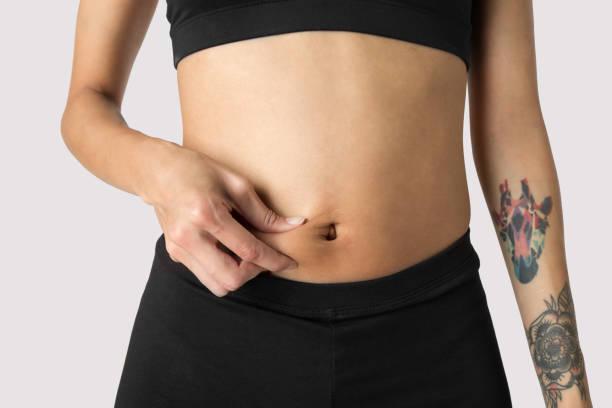
If you can physically "pinch and pull" more than two inches of skin away from your abdominal wall, or if you have a visible "overhang," non-surgical treatments will likely prove insufficient. We observe that once skin has been stretched beyond its elastic limit—often due to pregnancy or massive weight loss—only surgical excision can provide a smooth, taut result.
Beyond the physical markers, being "ready" for a tummy tuck involves a mental and environmental commitment to the recovery process.
Stability in Weight: Candidates should be within 5–10 kilograms of their goal weight. Losing significant weight after surgery can lead to new skin laxity, while gaining weight can strain the internal muscle repair.
The "Family Complete" Rule: While safe, future pregnancies will likely stretch the repaired muscles and skin, undoing the surgical results. Most experts recommend waiting until you are certain your family is complete.
Non-Smoking Status: Nicotine severely restricts blood flow, which is critical for healing the long abdominal incision. Candidates must commit to stopping all nicotine products for at least six weeks before and after surgery.
Patients must be prepared for the "emotional dip" that often occurs during the first two weeks of recovery. Because the initial results are obscured by swelling and the physical limitations are high, a grounded mindset is essential. We observe that patients who have a strong support system at home report much higher overall satisfaction during the healing journey.
Yes, many patients seek a tummy tuck primarily for functional relief. When the abdominal muscles are weak or separated, the lower back overcompensates, leading to chronic strain. By repairing the core "girdle," the surgery redistributes the body’s weight more effectively, often providing significant relief from lumbar discomfort and improving overall posture.
Every surgical procedure involves a balance between the aesthetic gain and the physical requirements of the operation.
The Scar Exchange: A tummy tuck results in a permanent scar, usually from hip to hip. However, most patients consider a thin, well-hidden scar a favorable trade for a flat, firm abdomen that was previously covered in loose skin.
The Recovery Investment: You must be able to take at least two to three weeks off from work and daily chores. This "downtime" is non-negotiable for the internal tissues to knit back together safely.
The Sensation Shift: Temporary numbness and the feeling of "tightness" are part of the process. Understanding that these are phases of healing, rather than permanent side effects, is key to a positive experience.
Men frequently undergo tummy tucks, particularly after massive weight loss (such as after bariatric surgery). While the aesthetic goals differ—focusing on a masculine, flat torso rather than an hourglass curve—the structural benefits of removing the "skin apron" and tightening the abdominal wall remain the same, providing a significant boost in physical comfort and clothing fit.
If your abdomen feels firm but protrudes, it may be visceral fat (internal fat around organs), which surgery cannot fix. If the area feels soft, "squishy," and can be folded over, it is likely a combination of subcutaneous fat and loose skin. A consultation involving a physical exam is the only way to accurately map these tissues.
"I spent years doing planks and crunches, but my 'mom pooch' never went away. My doctor explained it was muscle separation, not fat. Getting the surgery was the only thing that actually fixed the problem." — Amina
"I was worried I wasn't 'thin enough' for a tummy tuck. My surgeon helped me realize that my loose skin was actually preventing me from being active. Now that the weight of the skin is gone, I feel lighter and much more mobile." — Sarah
Determining if a tummy tuck is the right path for your body requires a high level of clinical honesty and anatomical expertise. At Tajmeels Clinic, we prioritize a thorough diagnostic approach, ensuring that every patient is a safe and ideal candidate for the procedure. Our expert surgeons provide clear, grounded insights into what a tummy tuck can—and cannot—achieve for your specific body type. We provide a professional and empathetic environment where your concerns are addressed with medical precision, from the initial "pinch test" to the final mapping of your surgical plan. By choosing Tajmeels Clinic, you are partnering with a team dedicated to providing transformative results through safe, evidence-based surgical care. We invite you to discover if a flatter, firmer midsection is within your reach at Tajmeels Clinic.
There is no perfect age, but most candidates are between 30 and 60. The key factors are overall health and skin elasticity rather than a specific number. As long as you are medically fit for anesthesia and have realistic expectations, a tummy tuck can be performed safely and effectively.
Yes, provided your blood pressure is well-controlled with medication and you receive clearance from your primary physician. During the consultation, we review your full medical history to ensure that all chronic conditions are managed, minimizing any risks during the surgery and recovery.
In most cases, yes. The standard tummy tuck incision is made at or below the level of a C-section scar. This allows the surgeon to incorporate the old scar into the tissue being removed, effectively replacing a puckered or uneven C-section scar with a smoother, flatter abdominoplasty line.
We recommend being within 5–10% of your "stable" target weight. While some fat is removed during the procedure, a tummy tuck is most successful when used to "finish" a transformation rather than start one. Being at a stable weight ensures the skin tension is calculated perfectly for your long-term figure.
A mini tummy tuck is only suitable for patients with very localized skin laxity below the belly button and no muscle separation in the upper abdomen. If you have fullness above the navel or significant muscle gaps, a full tummy tuck is required to achieve a truly flat result.
An umbilical hernia can often be repaired simultaneously during a tummy tuck. Since the surgeon is already working on the abdominal wall and repositioning the navel, it is an ideal time to address the hernia. This "two-in-one" approach provides both aesthetic and functional medical benefits.