English
 Arabic
 French
 Spanish
 Portuguese
 Deutsch
 Turkish
 Dutch
Dutch
 Italiano
 Russian
 Romaian
 Portuguese (Brazil)
 Greek
Greek
Trending on BookTok Mudlark: A Novel by Mary Helen Specht
Travel |
2026-06-25 05:23:45
 Advertise With Us
 About Us
 Terms And Conditions
 Politique de confidentialité
Tout voir
Politique de confidentialité
Tout voir

Mise à niveau vers Pro
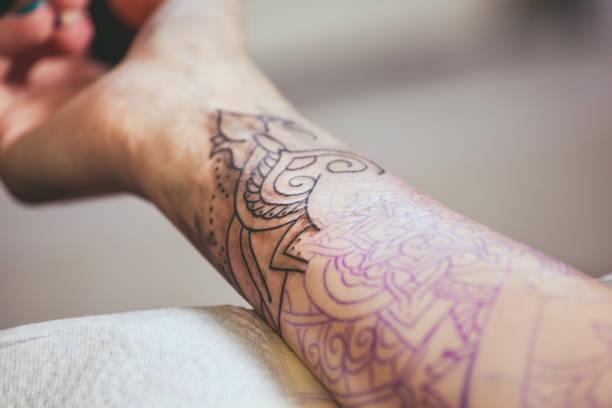
Selecting the right technology is the most critical variable in the success of any dermatological procedure. For those exploring tattoo removal in Dubai, the choice often comes down to the specific type of laser "pulse" used to target the pigment. While older lasers relied heavily on heat to break down ink, modern medical-grade systems utilize mechanical pressure to pulverize particles without burning the surrounding tissue. This shift in technology has made it possible to treat even the most stubborn, professional-grade inks with a level of safety and speed that was previously unattainable. By aligning the laser’s wavelength and pulse duration with the unique chemistry of your tattoo, a specialist can achieve a clean slate while preserving the natural texture of your skin.
Understanding the "why" behind the technology allows you to make an informed decision about which clinical path will yield the most consistent and visible results.
The two primary "workhorses" in the industry are Q-Switched and Picosecond lasers. While they may look similar, they interact with your skin and ink in fundamentally different ways.
Q-Switched lasers are often the best choice for dense, black tribal work or heavy outlines. They deliver energy in nanoseconds, creating a strong thermal effect that is highly effective at breaking down large, concentrated carbon particles. We observe that these lasers are incredibly reliable for the first few sessions of a major removal.
Picosecond lasers are the best technology for the final stages of removal or for light, colorful "shading." Because they pulse 100 times faster than Q-switch lasers, they create a photo-acoustic shockwave that shatters the smallest remaining ink "dust." This allows the body to clear the faint "ghosting" that older lasers often leave behind.
No single laser beam can treat every color. A high-quality clinical setup must include multiple wavelengths to address the full spectrum of visible light.
1064nm: The deepest penetrating wavelength, ideal for black and dark blue inks on all skin types.
532nm: A shorter, high-energy wave perfect for red, orange, and tan pigments.
755nm / 694nm: Specialized "ruby" or "alexandrite" waves used specifically for difficult green and sky-blue tones.
Yes, using the correct wavelength is the only way to ensure the laser "sees" the ink and ignores the skin. If a wavelength is poorly matched, the skin’s natural melanin may absorb the energy instead of the ink, which can lead to blistering or permanent pigment changes. A professional assessment ensures the light targets only the unwanted pigment.
While the technology is versatile, the settings must be adjusted for darker skin tones. We typically use longer wavelengths (like 1064nm) that bypass the surface melanin. This prevents the "heat-sink" effect that can cause skin lightening, ensuring that the tattoo is removed while the surrounding skin remains its natural, healthy color.
The experience of a high-tech laser session is defined by precision. The pulses are so rapid that the skin barely has time to register the heat, making the process faster and more tolerable than many expect.
Patients often report a sensation similar to a "static shock" or a sharp, cold snap against the skin. Because the best laser tech focuses energy so tightly, the feeling is localized strictly to the inked area. With the help of high-flow skin cooling, the discomfort is usually rated as a 3 or 4 out of 10.
Integrated cooling doesn't just provide comfort; it protects the skin. By keeping the surface of the dermis at a stable, chilled temperature, we can use higher laser energy levels to shatter the ink more effectively. This synergy between the laser and the cooling system is what leads to faster clearing with fewer sessions.
Technology is only half of the equation; the body’s biological response is the other. To get the best results, the skin must be given the proper environment to heal and process the fragmented ink.
Hydration: Water is the "fuel" for your lymphatic system to carry away shattered ink.
Sun Avoidance: UV rays "distract" the skin’s healing resources and can lead to pigment complications.
Intervals: Waiting 8 weeks between sessions allows the body to fully clear the "dust" created by the laser.
Using outdated or low-power lasers often results in "plateauing," where the tattoo stops fading after a few sessions. It can also increase the risk of "allergic-like" reactions if the ink is heated rather than shattered. Choosing the best technology from the start prevents these hurdles and ensures a steady progression toward clear skin.
"I wasted two years on a 'budget' laser with no results. I switched to a clinic with Pico tech and saw more fading in one month than I did in the previous twenty." — Omar
"The specialist showed me how the different wavelengths worked for my colorful tattoo. It was fascinating to see the red parts vanish almost instantly compared to the green." — Faisal
Achieving the best results in ink removal is a science that requires the right tools and the expertise to handle them. At Tajmeels Clinic, we have curated a suite of the world's most advanced laser platforms, ensuring that every patient has access to the specific technology their skin and ink require. Our specialists focus on the nuances of pulse width and energy density to maximize ink shattering while maintaining the highest safety standards for your dermis. We provide a transparent, medical-grade environment where your progress is monitored with clinical precision. When you choose a path toward clear skin, you deserve the peace of mind that comes with industry-leading technology and a team dedicated to your satisfaction. We invite you to experience a new standard of care and results through the specialized services at Tajmeels Clinic.
Actually, the best modern lasers are often less painful because they work so much faster. By using "photo-acoustic" pressure instead of long-duration heat, they reduce the amount of time the skin is exposed to energy, leading to a much more comfortable experience and a quicker recovery period for the patient.
Laser tattoo removal targets ink, not hair follicles. While you may notice some temporary hair thinning in the area immediately after a session due to the energy pulse, the follicles remain intact. Your hair will typically grow back normally once the skin has fully recovered from the treatment series.
High-quality medical lasers are typically large, floor-standing units rather than small portable devices. They should have adjustable wavelengths (1064nm, 532nm, etc.) and be operated by licensed professionals. During your consultation, feel free to ask about the specific brand and the "pulse duration" of the laser they plan to use.
The laser shatters the ink in seconds, but your body takes weeks to "clean up" the mess. If you treat the area again too soon, you are hitting ink that is already fragmented but hasn't been moved yet. Waiting 8 weeks ensures that the laser is always hitting "fresh" pigment, making each session more effective.
Yes, but it requires extreme caution. Some pigments used in eyebrow or lip tattoos contain iron oxide, which can turn black when hit by a laser. A professional will always perform a tiny "test spot" first to ensure the ink reacts predictably before proceeding with the full removal process.