English
 Arabic
 French
 Spanish
 Portuguese
 Deutsch
 Turkish
 Dutch
Dutch
 Italiano
 Russian
 Romaian
 Portuguese (Brazil)
 Greek
Greek
Ear Reshaping in Dubai Trends 2026: The Future of Otoplasty
Health |
2026-04-15 11:25:40
 Advertise With Us
 About Us
 Terms And Conditions
 سياسة الخصوصية
عرض كل النتائج
سياسة الخصوصية
عرض كل النتائج

ترقية الحساب
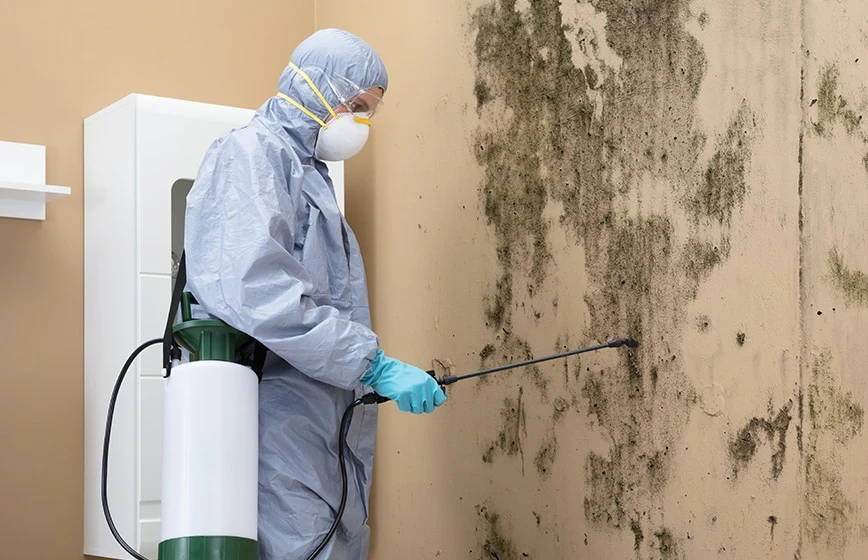
Finding mold in your home puts you under immediate pressure to act. The instinct to call the first company that shows up in a search and get the problem handled quickly is completely understandable. But the quality of the company you hire matters far more than the speed of the hire. A proper mold inspection is the foundation of any effective remediation, and not every company approaching that inspection with the same level of thoroughness, honesty, and professional care. Choosing the right company from the start protects your home, your budget, and the health of everyone living under that roof.
This guide walks you through the full process of evaluating and selecting a mold removal company. From checking credentials and understanding what a legitimate remediation process looks like, to spotting red flags and asking the right questions before you sign anything, every section here is designed to help you make a confident and informed decision.
Mold is not a surface problem. What you see on a wall, ceiling, or around a window frame is almost always the smallest part of what is actually present. Mold grows inside wall cavities, beneath flooring, in attic insulation, and through HVAC ductwork in ways that are completely invisible during a casual walkthrough. A company that only removes what is visible and skips the deeper investigation leaves the real problem intact.
Understanding how fast black mold can spread makes it clear why a superficial approach to remediation creates a worse outcome than doing nothing at all. An active colony that is partially disturbed without proper containment releases spores into the air and surrounding surfaces. Within days that spread covers new areas the original problem never touched.
The company you hire determines whether your mold problem is genuinely resolved or simply made less visible for a few weeks before returning. That distinction carries serious consequences for both your property and your health.
Before you schedule a visit or discuss pricing with any mold removal company, confirm that the company holds the credentials that signal proper training and accountability.
IICRC certification. The Institute of Inspection Cleaning and Restoration Certification sets the industry standard for mold remediation training and protocols. A company whose technicians are IICRC certified has completed formal training in assessment, containment, removal, and post remediation verification. When asking about certification, ask specifically whether the technicians assigned to your job hold it rather than just the company owner.
State licensing. In Florida, both mold assessors and mold remediators who work on residential properties above a certain threshold are required to hold a valid state license issued by the Department of Business and Professional Regulation. Verify this license before allowing any company to begin work. A licensed company is subject to state oversight and professional standards that unlicensed operators are not.
Liability insurance and workers compensation. These are not optional. If a technician is injured on your property or if the remediation process causes damage to adjacent materials, you need the company's insurance to cover those situations. Ask for a current certificate of insurance and confirm the coverage amounts before work begins.
Documented experience. Certifications confirm training but years of hands on residential experience confirm practical competence. Ask how long the company has been operating and how many residential mold remediation jobs they have completed. A company with a long track record has encountered the full range of scenarios that homes present and knows how to handle the ones that don't follow a straightforward path.
The inspection phase is where the entire remediation project is either set up for success or quietly undermined before any work begins. A mold inspection that is rushed, limited to what is visually obvious, or skipped entirely in favor of jumping straight to a quote is a reliable sign that the company is not operating at a professional level.
A proper mold inspection covers the following:
Visual examination of all moisture prone areas. This includes bathrooms, kitchens, laundry rooms, basements, crawl spaces, attics, areas under sinks, around water heaters, along exterior walls, and anywhere a previous water event has occurred. The inspector should be checking for discoloration, staining, soft materials, and visible growth on every relevant surface.
Moisture readings with calibrated meters. Professional moisture meters detect elevated water content inside walls, floors, and ceilings even when there is no visible surface indication of a problem. This is how inspectors identify hidden moisture sources that are actively feeding mold growth inside building materials. Without this step, significant growth can go completely undetected.
Air quality sampling. Air samples collected from the affected area and from a clean area of the home are compared to establish whether airborne spore counts are elevated above normal background levels. This is particularly important when mold odors are present but no visible growth can be located.
A written inspection report. Any company offering a legitimate mold inspection delivers its findings in writing. This report should document every area examined, what was found, moisture readings, and the recommended scope of remediation based on those specific findings. A verbal summary is not sufficient because it leaves no record you can compare against the scope of work quoted.
If you have been experiencing persistent musty odors, unexplained allergy symptoms, or recurring moisture issues in your home, our guide on the top signs you need a professional mold inspection outlines the specific warning signals that indicate a formal inspection is the right next step before any other decisions are made.
Not every company advertising mold removal services operates with the integrity and competence that a serious mold situation requires. Recognizing warning signs early protects you from hiring a company that will leave your problem unresolved or make it worse.
Quoting a price without visiting the property. No reputable professional mold removal company can provide an accurate estimate for remediation work without first inspecting the property. A phone quote or an online estimate given before an assessment has been conducted is not a reliable reflection of what the actual job requires. It is either a lowball number designed to win the contract before the full scope becomes apparent, or a guess that will result in change orders once work is underway.
Guaranteeing complete permanent mold elimination. Mold spores are a natural part of every indoor environment and cannot be fully eliminated from a property. What a qualified mold remediation company can deliver is the complete removal of active colonies, restoration of normal spore counts, and a resolved moisture source that prevents regrowth. Any company that promises total permanent elimination is making a claim the science does not support.
Skipping containment during removal. Proper mold remediation requires isolating the affected area with physical barriers and negative air pressure to prevent spores from migrating to clean areas of the home while work is being performed. A company that removes mold without establishing containment is spreading the problem during the very process intended to fix it.
No written contract or scope of work. Verbal agreements have no standing when disputes arise and they leave you with no way to confirm that the agreed scope of work was completed. A trusted mold removal company provides a written contract that details every step of the process, the timeline, the payment structure, and what post remediation verification will include.
Recommending extensive demolition before inspection results are in. Structural removal of drywall or flooring is sometimes genuinely necessary. But that determination should be based on moisture readings, testing results, and visual findings rather than on assumption. A company recommending large scale teardown before completing a proper inspection is either overextending the scope to increase the invoice or cutting corners on the assessment.
Going into your first conversation with a mold company prepared to ask specific questions shifts the balance in your favor. It also reveals quickly whether the company you are speaking with is confident and transparent or vague and evasive.
Ask whether the inspection and the remediation will be handled by the same company or whether these are kept separate. Some regulatory frameworks and best practice guidelines recommend separating assessment and remediation to prevent conflicts of interest. Understanding this arrangement upfront helps you evaluate the findings without ambiguity about the company's motivations.
Ask how they contain the affected area during removal and what steps they take to prevent spores from spreading to other parts of the home. A company with established protocols describes this process clearly and specifically. A company without proper procedures gives vague or general answers.
Ask what their post remediation verification process looks like. The answer should include air sampling or surface testing after the work is complete, not just a visual check. Objective testing is the only way to confirm that spore levels have returned to acceptable levels following removal.
Ask whether addressing the moisture source is part of their service. Our guide on what causes mold in homes explains why moisture is the single driving factor behind every active mold problem. A company that removes the mold without resolving the source is setting you up for a repeat problem within weeks.
Ask for references from past clients with similar situations and contact those references before making a decision.
Online reviews offer a practical window into how a company actually performs once the job is underway. A high overall rating is a starting point, but the content of individual reviews tells you much more about what working with that company actually looks like.
Look for reviews that speak specifically to communication throughout the job, transparency in pricing, the quality of the inspection process, and whether the mold problem returned after remediation. These details are more meaningful than general praise.
Pay attention to how the company responds to negative reviews. Professional accountability in how a company handles criticism tells you a great deal about how they will handle problems on your job if something does not go as planned.
When searching for the best mold removal company near me, look specifically for companies with substantial residential experience in your local area. A company that primarily handles large commercial projects may not bring the same level of personalized attention to a single family home situation. Local experience also means familiarity with the specific climate and moisture challenges your region presents, which is particularly relevant in humid areas like Southwest Florida where mold conditions are persistent and year round.
Check for Better Business Bureau listings and any professional association memberships that indicate a commitment to industry standards beyond the minimum required for licensing.
Knowing what the complete remediation process should look like gives you a meaningful way to evaluate what any given company is actually proposing to deliver.
Assessment and moisture mapping comes first. This phase identifies every area of active growth and the moisture source sustaining it. Skipping or shortening this step guarantees an incomplete remediation.
Containment setup comes before any mold is disturbed. Plastic sheeting and negative air pressure create a barrier between the affected area and the rest of the home. This is non-negotiable in a compliant and responsible remediation.
Physical removal of contaminated materials follows containment. Porous materials that cannot be effectively cleaned, including sections of drywall, insulation, and flooring, are removed and sealed before being taken out of the home. These materials cannot be saved through surface treatment alone and leaving them in place perpetuates the problem.
HEPA vacuuming and antimicrobial treatment address the surfaces that remain after contaminated materials are removed. Commercial grade HEPA vacuuming captures spores and fine particulates. EPA registered antimicrobial solutions treat surfaces against remaining biological contamination.
Structural drying applies when water intrusion or flooding contributed to the mold growth. Any residual moisture left in structural materials after removal restarts the mold cycle immediately. If water damage is part of your situation, our guide on how to fix water damage quickly covers the key steps for ensuring the structure is properly dried before repairs are made.
Post remediation verification is the final and often skipped step. Air and surface sampling after work is complete confirms that the remediation achieved its goal. Without this objective confirmation, you have no assurance that the problem is resolved rather than temporarily reduced.
For a comprehensive breakdown of each phase of this process, our complete guide to mold remediation explains what homeowners should expect at every stage and how to hold a company accountable throughout.
Remediation costs vary based on the extent of the mold problem, the materials affected, the size of the treatment area, and the methods required. Getting at least two or three written estimates allows you to compare scope and pricing in a way that reveals differences in what each company is actually proposing.
Unusually low estimates should be scrutinized rather than celebrated. A price that is significantly below market reflects either an incomplete scope of work, lower quality materials and methods, or a plan to add costs once work is underway and you have fewer options. Thorough remediation involves specialized equipment, trained technicians, proper disposal protocols, and post remediation testing. All of these have real costs and an honest estimate accounts for all of them.
Ask whether post remediation testing is included in the quoted price or billed separately. Some companies quote removal only and add testing as an additional charge after work is done. Knowing this upfront ensures you are making a like for like comparison across estimates.
Confirm whether the written estimate includes all costs related to the mold remediation company's scope of work including labor, materials, disposal, and testing. Any items not covered in the initial estimate should be identified and explained before you sign.
Some mold situations should not wait for multiple estimates and extended evaluation periods. If mold appeared following a flood, a major plumbing failure, or a roof leak, time is a critical factor. Active colonies grow quickly in moisture rich conditions and every day of delay expands the scope of the problem.
If household members are experiencing respiratory symptoms, persistent headaches, or sinus issues that improve when they leave the home, mold exposure may be a direct contributing factor. In this situation a professional assessment should be prioritized immediately rather than treated as a scheduled appointment.
Our guide on when it is safe to clean mold yourself versus calling an expert provides clear guidance on which situations can be handled with appropriate DIY precautions and which require professional involvement from the outset.
If mold is growing on structural components, covers a significant area, or has returned to the same location after a previous cleaning or treatment, a professional mold remediation company is the appropriate resource. These situations go beyond what surface cleaning can resolve.
A company worth hiring does not consider their job complete when the remediation crew packs up and leaves. A professional mold removal company walks you through the post remediation testing results in plain language and provides specific guidance on preventing a recurrence.
This includes practical recommendations for controlling indoor humidity, improving ventilation in high moisture areas, monitoring the previously affected space for any early signs of returning growth, and scheduling any structural repairs needed following material removal.
Our guide on what to do after mold remediation to keep your home mold free outlines the ongoing maintenance steps that protect your investment and reduce the risk of recurring mold problems in the months and years following professional treatment.
Selecting the best mold removal company near me for your situation is a decision that rewards careful evaluation. Verifying credentials, demanding a thorough mold inspection before any quotes are given, understanding the full scope of the remediation process, and comparing written estimates all contribute to a better outcome. The goal is not simply to find a company that removes visible mold but to find a mold remediation company that fully resolves the underlying problem and ensures it does not come back.
The Mold Guys has been serving homeowners across Southwest and Central Florida for over 25 years. Their certified team delivers a thorough mold removal process backed by honest inspection findings, transparent communication, and post remediation verification that confirms the work is truly complete. Contact The Mold Guys today for a professional assessment and get the reliable answers your situation requires.
Q: What should a mold inspection include to be considered thorough? A: A proper mold inspection includes a visual examination of all moisture prone areas, calibrated moisture meter readings inside walls and floors, air quality sampling to detect hidden spore elevation, and a written report documenting every finding with recommended remediation steps based on actual results.
Q: How do I verify that a mold remediation company is properly licensed? A: In Florida, confirm the company holds a valid state mold remediator or mold assessor license through the Department of Business and Professional Regulation. Also verify current IICRC certification and ask for a certificate of liability insurance and workers compensation coverage before authorizing any work.
Q: Why does mold return after professional remediation in some cases? A: Mold returns when the moisture source was not fully identified and corrected during remediation. Removing visible growth without resolving the underlying leak, condensation issue, or ventilation problem leaves the conditions in place for rapid regrowth. Moisture control is inseparable from effective mold removal.
Q: Is a low estimate from a mold removal company a good sign? A: Not usually. A significantly lower estimate often reflects an incomplete scope of work, missing steps like post remediation testing, or lower quality materials and methods. Always compare written estimates in detail to confirm each one includes assessment, containment, removal, treatment, and verification.
Q: How long does mold remediation typically take? A: Timeline depends on the size and severity of the problem. A small contained situation may take one to two days. Larger infestations involving structural materials or multiple rooms can take several days including drying time and post remediation testing before the space is cleared for normal use.