English
 Arabic
 French
 Spanish
 Portuguese
 Deutsch
 Turkish
 Dutch
Dutch
 Italiano
 Russian
 Romaian
 Portuguese (Brazil)
 Greek
Greek
Epigenetics Innovation Through ChIP-Sequencing Technologies
Networking |
2026-07-28 10:42:33
 Advertise With Us
 About Us
 Terms And Conditions
 Política de Privacidade
Ver Todos
Política de Privacidade
Ver Todos

Atualize para o Pro
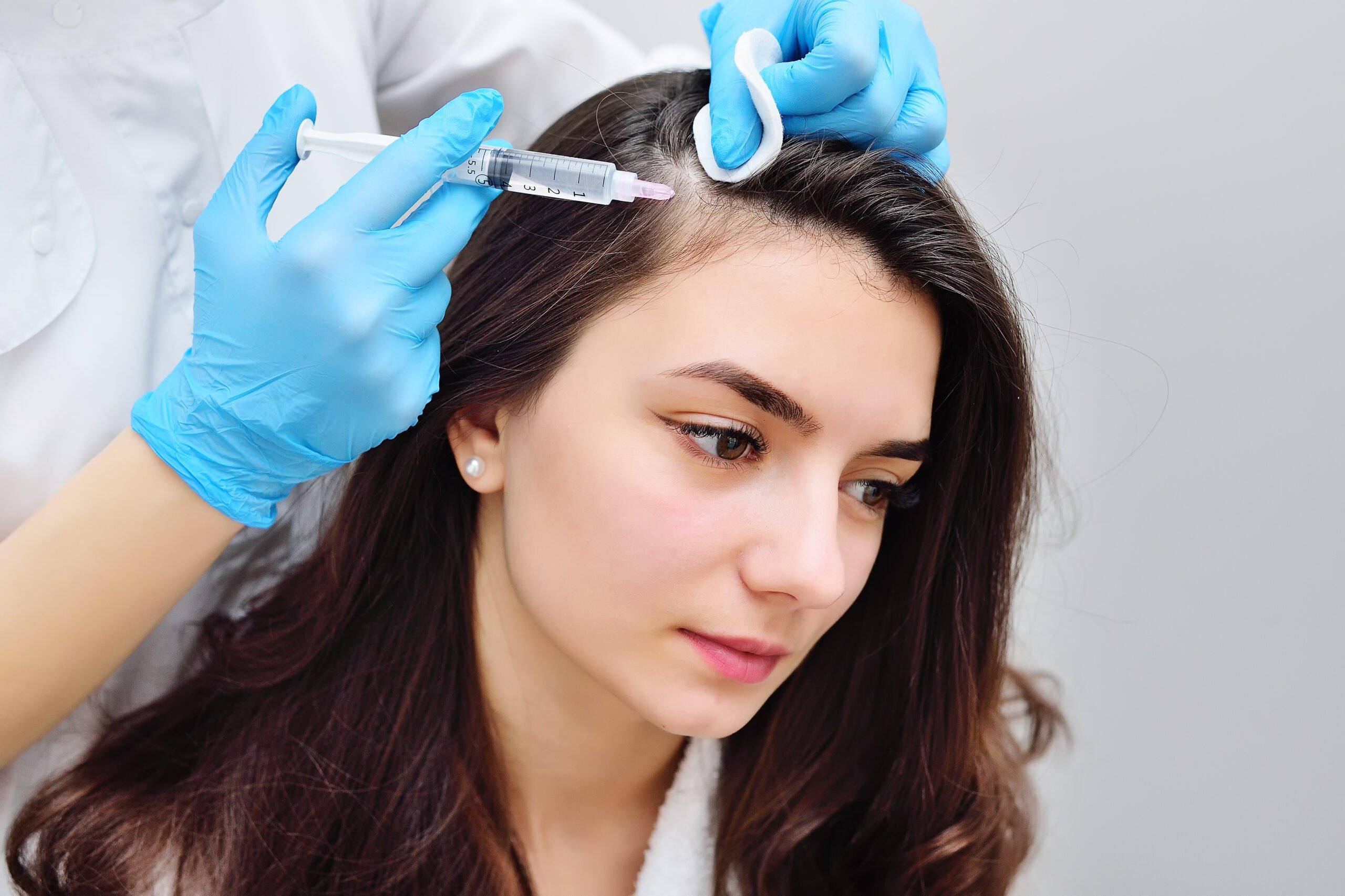
PRP (Platelet-Rich Plasma) hair treatment has become a widely used option for people dealing with hair thinning and early-stage hair loss. One of the most common reasons patients choose this treatment is the hope of seeing noticeable “before and after” improvements in hair density, thickness, and overall scalp coverage.
However, PRP is not an instant or dramatic transformation procedure. Its results are gradual, subtle, and highly dependent on individual factors such as the stage of hair loss, overall health, and consistency of treatment. Understanding realistic expectations is essential to avoid disappointment and to properly evaluate progress over time.
This article explains what PRP hair treatment can realistically achieve, how results develop over time, and what “before and after” outcomes typically look like.
PRP hair treatment in Riyadh is a popular non-surgical solution that uses the body's natural growth factors to support hair regrowth and improve hair density.
PRP hair treatment uses a concentration of platelets derived from your own blood. These platelets contain growth factors that help stimulate hair follicles and improve scalp health.
The process involves:
PRP does not create new hair follicles. Instead, it works by strengthening and reactivating existing ones.
Before starting PRP treatment, patients often experience early or moderate signs of hair loss.
Many individuals notice more hair on:
Hair appears less dense, especially at:
Hair becomes:
In some cases, the scalp becomes more visible under bright light or when hair is styled.
After PRP therapy, changes do not happen immediately. Hair growth follows a natural cycle, so results take time to appear.
In the first few weeks:
This stage is part of the adjustment process.
This is when early improvements begin to appear.
However, visible density changes are usually still subtle.
This is the stage where most noticeable improvements begin.
This is when patients often begin to see meaningful “before and after” differences.
Long-term results are more stable and visible.
At this stage, PRP results become more consistent and easier to evaluate.
Understanding realistic outcomes is very important before starting treatment.
This distinction is key when evaluating expectations.
Not all patients experience the same level of improvement. Several factors influence outcomes.
Younger patients generally respond better due to higher follicle activity.
Good nutrition supports better hair regrowth.
Multiple sessions are required for noticeable results.
Smoking, stress, and poor diet can reduce effectiveness.
Most treatment plans follow a structured schedule.
Consistency is essential for maintaining results.
PRP results are often subtle rather than dramatic.
Understanding this helps patients stay satisfied with gradual improvements.
PRP success varies significantly between individuals.
Many specialists recommend combining PRP with other treatments.
Some habits can reduce PRP effectiveness.
Avoiding these improves before and after outcomes significantly.
PRP hair treatment offers gradual and natural improvement rather than instant transformation. The “before and after” results typically show reduced hair shedding, improved thickness, and better overall hair density over several months.
However, realistic expectations are essential. PRP works best for early to moderate hair loss and is most effective when combined with healthy lifestyle habits and consistent treatment sessions.
While it may not fully restore lost hair in advanced cases, it can significantly improve hair quality and slow down further loss. For many patients, the real success of PRP lies in achieving healthier, stronger, and more stable hair over time rather than dramatic overnight change.