English
 Arabic
 French
 Spanish
 Portuguese
 Deutsch
 Turkish
 Dutch
Dutch
 Italiano
 Russian
 Romaian
 Portuguese (Brazil)
 Greek
Greek
Oral Controlled Release Drug Delivery Technology Market Forecast Supports Sustainable
Other |
2026-08-14 11:42:50
 Advertise With Us
 About Us
 Terms And Conditions
 سياسة الخصوصية
عرض كل النتائج
سياسة الخصوصية
عرض كل النتائج

ترقية الحساب
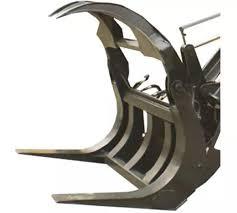
In construction, agriculture, mining, and industrial operations, efficient material handling is essential for productivity. One of the most effective ways to enhance equipment performance is by using the right attachment. A loading attachment allows machines such as wheel loaders, skid steers, and tractors to handle different materials and tasks with greater efficiency. Whether moving soil, gravel, pallets, or debris, the proper attachment can reduce labor costs, improve safety, and increase job-site productivity. Understanding the benefits and applications of loading attachments can help operators choose the best solution for their equipment.
A loading attachment is a tool designed to connect to heavy equipment and expand its functionality. These attachments enable a machine to perform specific loading, lifting, carrying, and material-handling tasks more effectively.
By switching attachments, operators can adapt a single machine to multiple applications, reducing the need for additional equipment.
General-purpose buckets are the most common type of loading attachment. They are ideal for moving loose materials such as sand, soil, gravel, and mulch.
These buckets are often the first choice for general loading tasks.
Pallet forks allow operators to lift and transport pallets, construction materials, and packaged goods.
A loading attachment like pallet forks increases efficiency when handling heavy loads.
Grapples are designed to secure irregular or bulky materials.
These attachments provide greater control and reduce material spillage.
A properly selected loading attachment helps operators complete tasks faster by matching equipment capabilities to project requirements.
Instead of purchasing multiple machines, businesses can use various attachments on a single loader or tractor.
Attachments reduce equipment ownership costs by expanding the usefulness of existing machinery.
Specialized attachments help secure materials more effectively, reducing accidents and improving workplace safety.
Different materials require different attachment designs. Loose materials, pallets, and debris each need specialized handling equipment.
Always verify that the attachment matches the machine's hydraulic system, lift capacity, and mounting configuration.
Selecting the appropriate loading attachment depends on the size, scope, and frequency of the work being performed.
Check for worn edges, damaged hydraulic components, and loose connections before each use.
Removing dirt and debris helps prevent premature wear and ensures smooth operation.
Routine maintenance extends attachment lifespan and minimizes unexpected downtime.
Proper care allows every loading attachment to deliver reliable performance and long-term value.
A loading attachment is an essential tool for maximizing the productivity and versatility of heavy equipment. From buckets and pallet forks to grapples and specialized material-handling tools, these attachments help operators perform a wide range of tasks efficiently. By selecting the right attachment, ensuring compatibility, and following proper maintenance practices, businesses can improve performance, reduce costs, and increase overall job-site efficiency. Investing in quality loading attachments is a smart decision for any operation that relies on material handling equipment.
A loading attachment is a tool that connects to heavy equipment to improve loading, lifting, and material-handling capabilities.
Wheel loaders, skid steers, tractors, telehandlers, and compact track loaders commonly use loading attachments.
General-purpose buckets are the most widely used loading attachments for moving loose materials.
Yes, they allow equipment to perform specialized tasks more efficiently, reducing labor and project completion time.
Consider the material being handled, machine compatibility, project requirements, and long-term operational needs.