English
 Arabic
 French
 Spanish
 Portuguese
 Deutsch
 Turkish
 Dutch
Dutch
 Italiano
 Russian
 Romaian
 Portuguese (Brazil)
 Greek
Greek
Neck Lift Surgery in Dubai for Skin Firmness
Health |
2026-05-18 06:49:28
 Advertise With Us
 About Us
 Terms And Conditions
 Политика конфиденциальности
Смотреть все
Политика конфиденциальности
Смотреть все

Обновить до Про
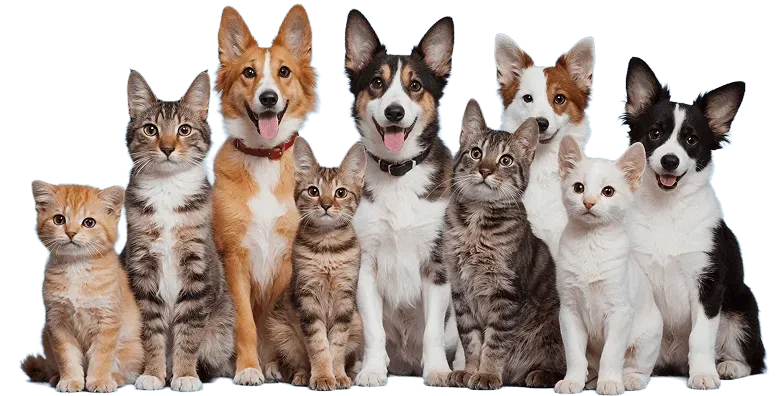
Keeping a pet healthy over the course of its life takes more than occasional care when something goes wrong. It takes a consistent relationship with a Chester Springs vet who understands your pet's full health history and can recognize changes before they become serious problems. At Eagle Animal Hospital, the approach to long-term pet health is built on preventive care, early detection, and individualized attention that comes from knowing a patient over many years. Whether your pet is a playful puppy or an aging cat, the decisions made at each stage of life affect how comfortable and healthy the years ahead will be.
Pet owners in Chester Springs and throughout Chester County often focus on addressing health problems after they appear. This is understandable, but it tends to cost more and carry more risk than staying ahead of those problems through routine care. A veterinarian who sees your pet regularly is in a much better position to notice the early signs of illness, track gradual changes in weight or behavior, and recommend timely interventions. This article explains the pillars of long-term pet health and how each one contributes to a longer, more comfortable life for your dog or cat.
Preventive care is the foundation of long-term pet health. Rather than waiting for symptoms, it focuses on identifying risk factors and addressing them before they cause harm. This approach looks different depending on your pet's age. Young animals need vaccinations to build immune protection. Adult pets benefit from annual exams that track changes in weight, heart health, and organ function. Senior pets require more frequent monitoring because age-related conditions tend to progress quietly until they become difficult to manage.
A routine visit to a Chester County vet typically includes a full physical examination, a review of vaccination history, parasite screening, and a discussion of any behavioral or physical changes you have noticed at home. These details matter. A slight decrease in appetite, a change in drinking habits, or mild stiffness in the joints can all be early indicators of conditions that are far easier to treat when caught early.
Eagle Animal Hospital provides pet wellness exams that are designed to give veterinarians a complete picture of your pet's health at that moment in time. When performed annually these exams create a record of what is normal for your specific pet, which makes it much easier to spot deviations. The goal is not just to confirm that your pet is healthy today but to understand trends and make decisions that support health over the long term.
Vaccines are among the most effective tools available for preventing serious illness in dogs and cats. They work by preparing the immune system to recognize and fight specific pathogens, reducing the risk of disease and limiting its severity if infection does occur. The protection they provide does not last indefinitely, which is why vaccination schedules are structured to include boosters at appropriate intervals throughout your pet's life.
Core vaccines for dogs include those that protect against rabies, distemper, parvovirus, and adenovirus. Cats require protection against feline viral rhinotracheitis, calicivirus, panleukopenia, and rabies. Additional vaccines may be recommended based on your pet's lifestyle, exposure risk, and local disease prevalence. A pet that spends time outdoors or interacts frequently with other animals may need broader protection than one that lives exclusively indoors.
At Eagle Animal Hospital, vaccine recommendations are tailored to each patient. The pet vaccination program accounts for your pet's age, prior vaccination history, current health status, and the risks specific to the Chester Springs area. Staying current on vaccines is one of the most reliable ways to protect your pet from diseases that remain active in the environment and in wildlife populations across Chester County.
Dental disease is one of the most underestimated health concerns in companion animals. By age three the majority of dogs and cats show some degree of periodontal disease, yet many pet owners are unaware because the early stages rarely produce obvious symptoms. Tartar buildup and gum inflammation develop gradually and can advance to a point where bacteria enter the bloodstream and affect the heart, kidneys, and liver.
Maintaining your pet's oral health involves both professional care and consistent at-home habits. Professional dental cleanings are performed under general anesthesia to allow a thorough examination of every tooth and the gum tissue around it. Digital dental X-rays are taken first so the veterinary team can evaluate what is happening below the gum line, where infections and bone loss often begin long before any visible signs appear. Damaged or infected teeth may be extracted to prevent the spread of disease and relieve pain.
Eagle Animal Hospital's pet dental service includes comprehensive oral examinations, ultrasonic cleaning, polishing, and extractions when necessary. Dental health is assessed at every wellness visit and the team provides guidance on brushing techniques and other at-home care options. Pets with healthier teeth tend to eat more comfortably, show fewer behavioral signs of chronic pain, and avoid the systemic complications that come with untreated oral disease.
Early detection depends on more than what a veterinarian can observe during a physical exam. Many conditions affect internal organs or develop at a cellular level before any outward signs are present. Laboratory testing and diagnostic imaging fill that gap by providing objective data that confirms or rules out concerns raised during an examination.
Bloodwork is one of the most informative diagnostic tools available in a clinical setting. A complete blood count and chemistry panel can reveal abnormalities in organ function, identify infections, detect anemia, and flag early markers of conditions like diabetes or kidney disease. This type of testing is particularly valuable for senior pets, for animals about to undergo surgery, and for any patient with unexplained changes in weight, energy, or appetite.
Eagle Animal Hospital offers in-house pet bloodwork that allows results to be reviewed during the same visit, reducing the wait time for answers and enabling faster treatment decisions. For structural concerns, digital pet X-ray services provide detailed images of bones, joints, the chest, and abdominal organs. Together these tools allow the veterinary team to build a complete picture of your pet's internal health and act on findings quickly.
At some point in a pet's life, surgical intervention may be necessary. This might involve routine procedures like spaying or neutering, or it might involve more complex situations such as mass removals, orthopedic repairs, or abdominal surgeries. In all cases the priority is to carry out the procedure safely, minimize discomfort, and support a smooth recovery.
Preparation matters significantly in surgical outcomes. Pre-anesthetic bloodwork is performed before any procedure to confirm that the patient's organ function can support anesthesia safely. During the procedure, trained technicians monitor vital signs continuously. After the procedure, pain management is carefully handled to keep the patient comfortable through the recovery period.
Eagle Animal Hospital's pet surgery services are carried out in a dedicated surgical suite with modern equipment and thorough monitoring protocols. The veterinary team walks pet owners through what to expect before and after the procedure, including activity restrictions, wound care instructions, and follow-up appointment timing. A well-supported recovery is as important as the procedure itself in achieving a good outcome.
Companion laser therapy is a non-invasive treatment option that uses specific wavelengths of light to stimulate cellular activity in targeted tissue. The result is reduced inflammation, decreased pain, and accelerated healing in the treated area. It is used for both acute conditions such as post-surgical recovery and chronic conditions such as arthritis and degenerative joint disease.
For older pets especially, chronic pain can significantly affect quality of life. A dog that is reluctant to climb stairs or a cat that grooms less thoroughly than before may be responding to ongoing discomfort that pain medication alone does not fully address. Laser therapy sessions are brief and do not require sedation. Most patients tolerate them well and show meaningful improvement over a course of treatments.
Eagle Animal Hospital offers companion laser therapy as part of a broader pain management and rehabilitation approach. For pets managing arthritis or recovering from surgery, it can complement other treatments and support better mobility and comfort over time.
What happens between veterinary appointments matters just as much as the appointments themselves. Pet owners who pay close attention to their animal's daily habits are often the first to notice changes that warrant a call to the veterinarian. Understanding what is normal for your specific pet makes it easier to identify what is not.
Some practical habits that support long-term health at home include monitoring food and water intake regularly since changes can indicate digestive issues or systemic illness. Brushing your pet's teeth several times per week using toothpaste formulated specifically for animals helps slow the buildup of tartar between professional cleanings. Checking ears and skin during grooming for signs of redness or unusual discharge gives you early warning of infections. Maintaining a consistent parasite prevention routine year-round addresses both flea control and heartworm protection. Keeping a record of any behavioral changes including altered sleep patterns or reduced interest in play helps your veterinarian understand the full picture at each visit.
For new pet owners in particular, having a reliable source of guidance makes a significant difference. Eagle Animal Hospital's new puppy resources and new kitten resources pages cover foundational care topics that help owners build healthy habits from the beginning. The better informed an owner is, the more effectively they can support their pet's wellbeing at home between visits.
Eagle Animal Hospital is located at 20 Senn Drive in Chester Springs, Pennsylvania, and serves pet owners from across the region. Families travel to the hospital from communities including Exton, Phoenixville, Lionville, Glenmoore, Coatesville, Pottstown, and Thorndale. If you are looking for a veterinarian in Downingtown or the wider Chester Springs area, the hospital offers consistent and relationship-based care that follows your pet across every stage of life.
The hospital is led by Dr. David Matunis and Dr. Jennifer Granite, who have served the Chester Springs community since January 2008. Their experience spans the full range of veterinary medicine including preventive care, internal medicine, dentistry, and surgery. The support team of trained technicians and receptionists ensures that every visit is handled with attention to both the medical and emotional needs of the patient and the owner.
Appointments are available Monday through Friday during regular and extended evening hours as well as Saturday mornings. Pet owners can request an appointment online or reach the team directly by phone. Urgent care appointments are available for situations that cannot wait for a scheduled slot.
One of the most overlooked aspects of veterinary care is continuity. A veterinarian who has seen your pet regularly over many years holds a depth of knowledge that cannot be replicated in a single appointment. They know your pet's temperament, their baseline weight and vital signs, their vaccination history, and the patterns that make them individual. That context shapes every recommendation and helps the team respond to changes with greater accuracy.
Pets age faster than people do. A dog that was a puppy two years ago may already be entering early adulthood with changing nutritional needs and different health risks than before. A cat in its early teens is considered a senior and the conditions most likely to affect it are very different from those of a younger animal. Regular visits to a trusted Chester County vet allow these transitions to be managed thoughtfully rather than reactively.
The relationship between a pet owner and their veterinary team also matters during difficult moments. When a pet is seriously ill or approaching the end of its life, having a veterinarian who knows both the animal and the owner provides a level of support that goes beyond the clinical. Those conversations are easier and more meaningful when they take place within an established relationship built over years of shared care.
If you are ready to establish long-term veterinary care for your dog or cat in the Chester Springs area, the team at Eagle Animal Hospital is here to help. Learn more about the available veterinary services or schedule your pet's next wellness visit by booking an appointment online today.
Q: How often should I bring my pet to see a Chester Springs vet?
A: Most adult dogs and cats benefit from annual wellness exams. Senior pets or those managing ongoing health conditions may need visits every six months. Your veterinarian will recommend the schedule that best fits your pet's individual health needs and life stage.
Q: What happens during a pet wellness exam at Eagle Animal Hospital?
A: A wellness exam includes a full physical evaluation covering the heart, lungs, teeth, eyes, ears, skin, and weight. The veterinarian reviews vaccination status, discusses parasite prevention, and addresses any behavioral or physical changes you have noticed since the last visit.
Q: Does Eagle Animal Hospital serve pet owners from Downingtown?
A: Yes. Eagle Animal Hospital is easily accessible to pet owners from Downingtown and many surrounding Chester County communities. The hospital is located in Chester Springs and welcomes patients from across the region for both routine and urgent care.
Q: At what age should my pet start receiving regular wellness exams?
A: Wellness care should begin as early as possible, ideally within the first few weeks of bringing a new pet home. Early exams establish baseline health records and begin the vaccination and parasite prevention schedules that protect your pet through the early months of life.
Q: Can I manage my pet's long-term health without seeing a vet regularly?
A: Home monitoring is valuable but cannot replace clinical care. Many conditions such as dental disease, organ changes, and early infections produce no visible symptoms until they are advanced. Regular veterinary visits allow for early detection and treatment before problems become harder to manage.