English
 Arabic
 French
 Spanish
 Portuguese
 Deutsch
 Turkish
 Dutch
Dutch
 Italiano
 Russian
 Romaian
 Portuguese (Brazil)
 Greek
Greek
Trending on BookTok Encuentra tu persona vitamina by Marian Rojas Estapé
Sports |
2026-06-23 06:12:43
 Advertise With Us
 About Us
 Terms And Conditions
 Политика конфиденциальности
Смотреть все
Политика конфиденциальности
Смотреть все

Обновить до Про
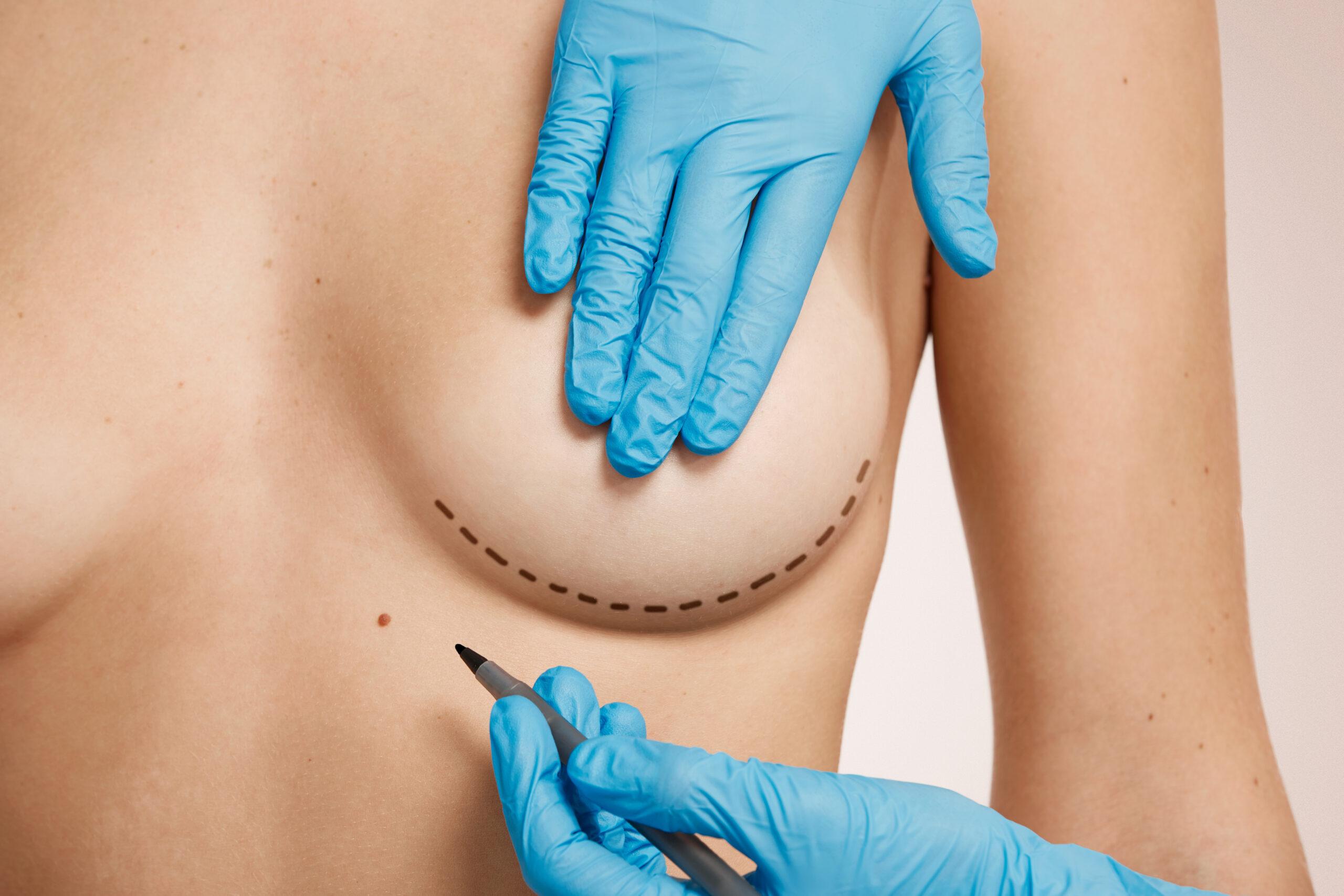
Breast augmentation has long been a popular option for those seeking fuller or more symmetrical breasts, but not everyone is ready for surgery. Non-surgical alternatives have emerged as appealing options for individuals looking to enhance their breast appearance without the risks or recovery associated with traditional procedures. Understanding the effectiveness, benefits, and limitations of these methods can help patients make informed decisions about their body goals.
Several non-surgical techniques claim to enhance breast size or appearance. Common options include:
Creams and pills are among the most widely marketed non-surgical solutions, but their results are limited. Key points include:
Fat transfer is a semi-surgical approach that offers a natural enhancement without implants. Highlights include:
Some devices claim to expand breast tissue through suction or mechanical stimulation. Important considerations are:
Hormone-based methods can influence breast size in select situations but carry risks. Key points include:
Non-surgical alternatives rarely match the volume or shape changes achievable through surgical breast augmentation. Patients should keep these points in mind:
Even non-surgical approaches carry potential risks or side effects. Patients should:
Non-surgical alternatives to breast augmentation offer a range of options for those seeking subtle enhancement without surgery. While some methods, like fat transfer or external devices, may provide modest results, none can fully replicate the volume and contour changes of traditional breast augmentation. Consulting with a qualified medical professional ensures safety and helps set realistic expectations, allowing patients to choose an approach that aligns with their goals and lifestyle.