Comparison Between Fat Transfer and Breast Fillers
Introduction
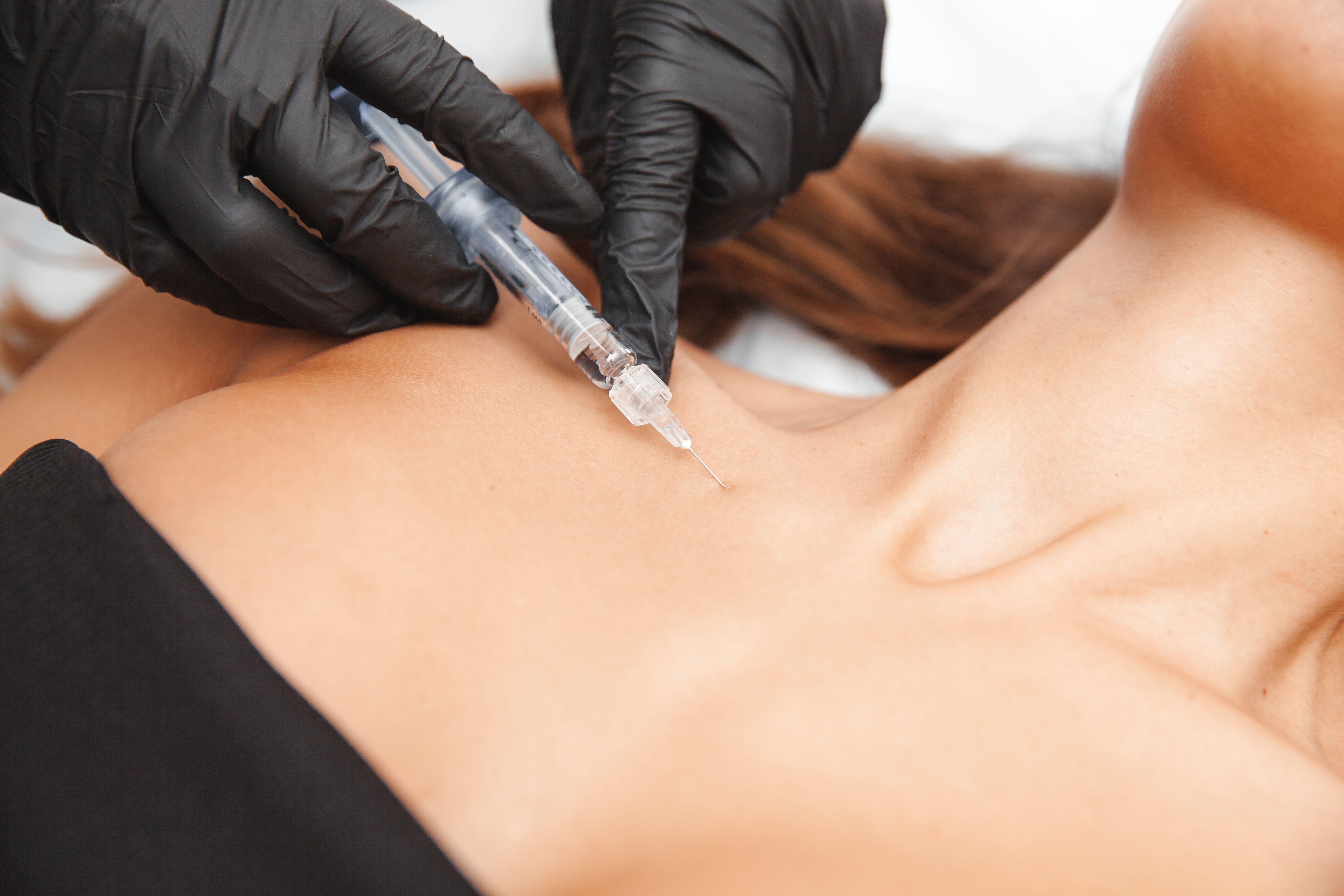
Breast enhancement can be achieved through different non-implant options, but two terms often create confusion: fat transfer and breast fillers. While they are sometimes used interchangeably, they are not exactly the same in medical practice. Breast filler injections in Riyadh are becoming a popular non-surgical option for those seeking subtle breast enhancement with minimal downtime.
Fat transfer (also called autologous fat grafting) is the most common and widely accepted method for natural breast enhancement. Breast fillers, on the other hand, usually refer to injectable substances like hyaluronic acid or similar materials, though their use in breasts is limited.
Understanding the differences between these two methods is important for choosing the right option based on goals, safety, recovery, and long-term results.
What Is Fat Transfer?
Fat transfer involves using your own body fat to enhance breast size and shape.
Procedure Overview:
- Fat is removed from areas like abdomen, thighs, or flanks
- It is purified and processed
- The fat is injected into the breasts to add volume
This method is also known as:
- Lipofilling
- Autologous fat grafting
Because it uses your own tissue, it is considered a more natural approach to breast enhancement.
What Are Breast Fillers?
Breast fillers typically refer to injectable substances used to temporarily increase volume.
Common types include:
- Hyaluronic acid-based fillers (rare for breasts)
- Other soft tissue fillers used in cosmetic procedures
These are directly injected into the breast tissue without fat harvesting.
Key Differences Between Fat Transfer and Breast Fillers
1. Source of Material
Fat Transfer:
- Uses your own body fat
- Natural and biocompatible
- No foreign substance introduced
Breast Fillers:
- Uses synthetic or semi-synthetic substances
- Not derived from your body
- Considered external materials
2. Procedure Type
Fat Transfer:
- Minimally invasive surgical procedure
- Includes liposuction and injection
- Requires anesthesia in most cases
Breast Fillers:
- Non-surgical or minimally invasive
- Simple injection procedure
- Usually done under local anesthesia
3. Volume Enhancement
Fat Transfer:
- Moderate and customizable volume increase
- Can improve shape and contour significantly
- Limited by available donor fat
Breast Fillers:
- Small to moderate volume increase
- Best for subtle enhancement only
- Not suitable for major enlargement
4. Results and Appearance
Fat Transfer:
- Very natural look and feel
- Blends with existing breast tissue
- Long-term contour improvement
Breast Fillers:
- Temporary fullness
- May feel slightly different depending on product
- Less commonly used for natural breast shaping
5. Longevity of Results
Fat Transfer:
- Partially permanent after healing
- Around 50–80% fat survival rate
- Final results last years or longer
Breast Fillers:
- Temporary results
- Typically last 6–18 months
- Require repeat treatments
6. Recovery Time
Fat Transfer:
- 1–2 weeks initial recovery
- Swelling may last several weeks
- Includes recovery from liposuction
Breast Fillers:
- 1–3 days downtime
- Minimal recovery required
- Quick return to daily activities
7. Pain and Discomfort
Fat Transfer:
- Mild to moderate discomfort
- Soreness from both donor and breast areas
- More noticeable recovery phase
Breast Fillers:
- Minimal discomfort
- Mild swelling or tenderness only
- Generally easier recovery
8. Safety Profile
Fat Transfer:
- Uses natural body tissue
- Lower risk of allergic reaction
- Risk of fat absorption or uneven survival
Breast Fillers:
- Risk depends on material used
- Possible migration or uneven absorption
- Less commonly recommended for large volume use
9. Body Contouring Benefits
Fat Transfer:
- Dual benefit: breast enhancement + fat removal
- Improves body shape (waist, thighs, abdomen)
- One of its biggest advantages
Breast Fillers:
- No body contouring effect
- Only adds volume to breasts
10. Suitability
Fat Transfer is ideal for:
- People with enough body fat
- Those wanting natural and longer-lasting results
- Individuals seeking moderate enhancement
Breast Fillers are ideal for:
- People wanting temporary enhancement
- Those seeking minimal change
- Individuals avoiding surgical procedures
Advantages and Disadvantages
Fat Transfer – Advantages
- Natural results
- Long-lasting
- Uses own body fat
- Improves body contour
Fat Transfer – Disadvantages
- Requires surgery (liposuction)
- Some fat is absorbed
- Limited by available fat
Breast Fillers – Advantages
- Quick and simple procedure
- Minimal downtime
- Non-surgical approach
- Adjustable over time
Breast Fillers – Disadvantages
- Temporary results
- Limited volume increase
- Less commonly used for breasts
- May require repeated sessions
Which One Is Better?
There is no universal “better” option—it depends on personal goals.
Choose Fat Transfer If:
- You want natural, long-term results
- You have enough body fat
- You want body contouring benefits
- You are comfortable with minor surgery
Choose Breast Fillers If:
- You want temporary enhancement
- You prefer non-surgical options
- You want to test breast size changes
- You are looking for subtle improvements
Conclusion
Fat transfer and breast fillers are both used for breast enhancement, but they differ significantly in method, results, and longevity. Fat transfer uses your own body fat to create natural, longer-lasting results with body contouring benefits, while breast fillers offer temporary, less invasive enhancement with minimal downtime.
Fat transfer is generally preferred for more meaningful and lasting changes, whereas breast fillers are suited for individuals seeking subtle, short-term improvement.
 English
 Arabic
 French
 Spanish
 Portuguese
 Deutsch
 Turkish
 Dutch
Dutch
 Italiano
 Russian
 Romaian
 Portuguese (Brazil)
 Greek
Greek
 Advertise With Us
 About Us
 Terms And Conditions
 سياسة الخصوصية
عرض كل النتائج
سياسة الخصوصية
عرض كل النتائج