English
 Arabic
 French
 Spanish
 Portuguese
 Deutsch
 Turkish
 Dutch
Dutch
 Italiano
 Russian
 Romaian
 Portuguese (Brazil)
 Greek
Greek
Canes Towards Ship 125 Little ones In the direction of Mentorship Summer time Camp In the course of Grant Towards Nate McMillan Basis
Health |
2026-06-06 07:19:09
 Advertise With Us
 About Us
 Terms And Conditions
 Privacy Policy
Mostra tutti i risultati
Privacy Policy
Mostra tutti i risultati

Passa a Pro
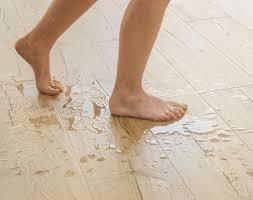
Walk through enough homes and a pattern emerges: the flooring in the bathroom buckles near the shower, the kitchen planks carry the ghost of every dropped wine glass, and the hallway near the back door looks a decade older than the rest of the house. These are not problems caused by cheap taste. They are the predictable result of choosing flooring that was never engineered for the conditions it would face.
Modern waterproof laminate flooring exists to break that pattern. Over the past decade, laminate has undergone a quiet revolution. Advances in core technology, surface coatings, and locking systems have produced products that can handle the moisture demands of a family bathroom, survive the chaos of a working kitchen, and shrug off the daily punishment delivered by pets, children, and furniture. The challenge for homeowners is knowing which claims to believe and which specifications actually matter when standing in a showroom comparing options.
This guide cuts through the marketing noise. It explains the structural differences between products, identifies the performance features worth paying for, and helps you match the right laminate to each room in your home, with particular focus on installing a laminate floor for bathroom and kitchen environments where ordinary flooring routinely fails.
Most flooring is designed for a relatively forgiving environment: dry, temperature-stable rooms where moisture is incidental rather than constant. Bathrooms and kitchens operate on entirely different terms. Steam accumulates every time a shower runs. Water pools around sinks and bathtubs. Cooking spills happen daily. The temperature swings when a window is opened or an oven is lit. All of this creates a cycle of expansion and contraction that gradually destroys flooring materials not built to absorb it.
Traditional laminate flooring, the kind that dominated the market in the early 2000s, used high-density fibreboard cores that acted like a sponge when exposed to sustained moisture. A single flooded bathroom could render an entire floor irreparable. That legacy has made many homeowners instinctively cautious about using laminate in wet areas, which is understandable. But it is also increasingly out of date.
The best waterproof laminate products now use water-resistant or fully waterproof cores, typically composite polymer or specially treated HDF, combined with precision locking systems that resist moisture ingress at the seams. The result is a floor that can survive the realities of daily bathroom and kitchen life, provided the product is selected carefully and installed correctly.
The question is no longer whether laminate can handle moisture. It is whether the specific product you have chosen was engineered to do so.
These two terms appear throughout flooring marketing and are frequently used interchangeably. They should not be. The distinction is meaningful and directly affects how a floor will perform in a wet environment.
Water-resistant laminate is designed to handle incidental moisture: a splashed sink, a glass of water knocked from a counter. It can tolerate brief exposure without permanent damage, provided the spill is cleaned up promptly. The core material still has some vulnerability to sustained saturation, and prolonged contact with standing water will eventually cause swelling at the edges and seams.
Waterproof laminate, by contrast, is engineered for rooms where moisture exposure is not occasional but structural. The core is formulated to repel rather than absorb water, and the locking system creates joints tight enough to prevent moisture from travelling between planks and reaching the subfloor. This is the category that makes a laminate floor for bathroom installation genuinely viable. Manufacturers who use the waterproof label should back it with specific performance data showing the number of hours the floor can withstand standing water without swelling or warping. Always ask for this figure before purchasing.
The core is the structural foundation of a laminate plank, and it is where the most important waterproofing work happens. Cheaper products use standard HDF, which absorbs moisture readily. Quality waterproof laminate uses either a polymer composite core or a specially treated HDF that has been engineered to resist water penetration at the cellular level. When comparing products, look beyond the headline waterproof claim and ask specifically what the core material is and how it performs in immersion tests. A reputable manufacturer will have this data readily available.
The wear layer sits at the top of the plank and is the surface that takes all the punishment of daily life. Its job is to protect the decorative layer beneath, typically a photographic image of wood grain, from scratches, scuffs, and surface wear. Wear layer thickness is measured in microns or millimetres, and higher numbers generally indicate better protection. More practically, manufacturers use AC ratings, Abrasion Class ratings established by the European Flooring standards body, that classify flooring from AC1 (light domestic use) to AC5 (heavy commercial use). For a family home with pets, an AC4 rating is the sensible minimum. For high-traffic kitchens or hallways, AC5 provides additional reassurance.
The wear layer is also where scratch resistance is engineered. The best waterproof scratch proof laminate flooring uses aluminium oxide coatings embedded in the wear layer, which dramatically increases resistance to the kind of surface damage that pets, furniture movement, and dropped kitchen utensils routinely inflict. If scratch resistance is a priority, and for most families it should be, this is the specification to examine closely.
Even the most advanced waterproof core is only as good as the joints between planks. Water does not wait for an invitation; it finds the path of least resistance, and poorly engineered locking systems create exactly that path. Premium laminate products use precision-machined click-lock systems that bring planks together with minimal gap and create a mechanical seal that significantly reduces moisture ingress. Some manufacturers offer locking systems with integrated water seals, either a built-in silicone bead or a wax treatment applied to the joint, that provide an additional layer of protection. For a laminate floor for bathroom installation, these enhanced locking systems are worth the premium.
Flooring professionals often describe the subfloor as the component that homeowners forget and then blame the flooring for. A waterproof laminate installed over an uneven or damp subfloor will perform poorly regardless of its intrinsic quality. Before installation begins, the subfloor must be clean, dry, and level to within the tolerances specified by the manufacturer, typically no more than 3mm variance per two metres. A quality moisture barrier underlayment adds an additional layer of protection and improves underfoot comfort. Cutting corners at this stage routinely leads to problems that are incorrectly attributed to the flooring itself.
The bathroom is the room that most thoroughly tests a laminate floor for bathroom installation. Steam from showers raises the ambient humidity to levels that no other domestic room experiences. Water is regularly present on the floor around the bath, shower tray, and sink. Temperature fluctuates between the warmth generated by hot water and the cooler ambient temperature when the room is unoccupied.
Modern waterproof laminate can handle all of this, provided you select a product specifically rated for wet area installation and ensure that the installation itself is completed to a high standard. This means using a quality moisture barrier beneath the flooring, sealing all perimeter edges where the laminate meets walls and fixtures, and fitting silicone around any penetrations such as toilet bases or bath panels. The flooring performs; the installation protects it.
From a design perspective, laminate offers advantages in the bathroom that other waterproof options struggle to match. Quality products replicate the warmth and texture of natural hardwood in ways that ceramic tile and sheet vinyl cannot. They are also considerably more comfortable underfoot, particularly in a room where bare feet are the norm. For homeowners who want the visual warmth of a wood floor in a bathroom without the maintenance demands and moisture vulnerability of real timber, a well-chosen waterproof laminate is a genuinely compelling option.
A bathroom floor must work hard without looking like it does. The right waterproof laminate achieves both.
The kitchen presents a different set of demands from the bathroom. Moisture exposure is less about sustained humidity and more about the frequency and volume of spills. A busy family kitchen might experience dozens of liquid spills in a single day. Add the abrasion created by kitchen chairs scraping across the floor at every meal, pet bowls being dragged across the surface, and the inevitable dropped utensils, and the requirements become clear: this room needs both strong waterproofing and exceptional scratch resistance working together. Choosing the right waterproof kitchen floor starts with understanding those demands in full.
When selecting a waterproof kitchen floor in laminate, prioritise the combination of an AC4 or AC5 wear layer with a fully waterproof core. Consider also the finish texture: smooth, high-gloss finishes look striking but show scratches and footprints more readily than a hand-scraped or embossed matt finish. In a working kitchen, a textured surface with a satin or matt sheen will maintain its appearance far more reliably over years of daily use.
Plank format is also worth considering. Wider planks with longer runs create a more expansive, contemporary feel and reduce the number of seams, which in turn reduces the opportunities for moisture ingress. Many flooring specialists recommend formats of 200mm or wider for kitchen installations, both for the visual impact and the practical benefit of fewer joints.
Before examining each competitor in detail, the table below provides a quick reference across the four most common flooring types considered for kitchens and bathrooms. It covers the criteria that matter most for wet-area performance.
|
Feature |
Waterproof Laminate |
Luxury Vinyl Plank |
Ceramic / Porcelain Tile |
Solid / Engineered Hardwood |
|---|---|---|---|---|
|
Waterproofing |
Excellent |
Superior |
Superior |
Poor |
|
Scratch Resistance |
Excellent |
Good |
Very Good |
Moderate |
|
Comfort Underfoot |
Very Good |
Very Good |
Poor |
Excellent |
|
Install Complexity |
Low |
Low |
High |
High |
|
Maintenance |
Minimal |
Minimal |
Moderate |
High |
|
Cost (relative) |
Moderate |
Moderate |
Moderate |
High |
|
Realistic Wood Look |
Excellent |
Good |
Poor |
Excellent |
|
Wet Area Suitability |
Yes |
Yes |
Yes |
No |
Luxury vinyl plank (LVP) is the most direct competitor to waterproof laminate, and the comparison is genuinely close. LVP offers excellent waterproofing; in most cases, it is technically more waterproof than even the best laminate because the entire product is polymer-based rather than partially wood-based. However, laminate consistently outperforms vinyl in two areas: scratch resistance and the realism of its surface texture. The embossed and registered surfaces of quality laminate products reproduce the tactile qualities of natural wood in ways that vinyl cannot quite match. For households where scratch performance is the overriding concern, choosing laminate over luxury vinyl plank is typically the stronger decision.
Tile is unambiguously waterproof and enormously durable, which is why it remains the default choice for many bathroom and kitchen installations. The trade-offs are comfort and installation complexity. Tile is cold and hard underfoot, requires a skilled installer to lay correctly, and is significantly more difficult to replace when damaged. Laminate offers a warmer, more comfortable surface, installs more quickly and at lower labour cost, and individual planks can be replaced if a section is damaged. For homeowners who prioritise comfort and versatility without compromising too heavily on durability, laminate is a persuasive alternative.
The comparison with real wood is where laminate makes perhaps its most compelling case. Solid hardwood in a bathroom or kitchen is a maintenance-intensive choice that requires careful monitoring, regular sealing, and carries the risk of moisture damage regardless of precautions. Engineered hardwood performs better in damp conditions but still requires more care than laminate and carries a higher price point. Waterproof laminate delivers a credible approximation of the hardwood aesthetic at lower cost, with greater moisture resilience and less demanding maintenance requirements. For a deeper look at how these materials differ structurally, our guide on the differences between solid and engineered wood flooring is a useful companion read.
Performance specifications matter, but the floor is also one of the largest visible surfaces in any room, and the aesthetic decision deserves serious attention. Modern laminate is available in an extraordinarily wide range of designs, from the pale, Scandinavian-influenced oak tones that work beautifully in light-filled bathrooms, to the rich, dark walnuts and smoked oaks that create drama in contemporary kitchens.
Lighter tones tend to make smaller rooms feel more spacious and are forgiving of dust and light surface marks. Darker finishes create visual weight and sophistication but show pet hair, dust, and footprints more readily. Medium warm tones, the greyed oaks and natural European oak styles that have dominated interior design for the past several years, offer the most versatility and tend to complement the widest range of cabinetry, wall colours, and fixtures.
Texture is as important as colour. A registered emboss finish, where the surface texture aligns precisely with the printed grain pattern, creates the most convincing illusion of real wood and is worth seeking out in higher-specification products. Wire-brushed textures add visual depth and hide minor surface marks particularly well. Hand-scraped finishes introduce character and work well in more traditional interior schemes. For homeowners drawn to a refined, enduring style, our overview of why European oak flooring is a timeless choice explores the design qualities that make this aesthetic so enduring.
Flooring manufacturers warrant their products based on correct installation. When that warranty is invoked because moisture is getting in, planks are lifting, or joints are opening, the investigation almost always begins with how the floor was laid rather than whether the product itself was defective. Professional installation is an investment that pays for itself by protecting the product investment beneath it.
The critical installation steps for waterproof laminate in wet areas are: subfloor preparation to the manufacturer's specified flatness tolerance; the use of a compatible moisture barrier underlayment; maintenance of the correct expansion gaps at all perimeters and fixed obstacles; complete sealing of all wall junctions with appropriate silicone; and careful engagement of all locking joints to ensure a tight, consistent connection throughout the installation. Our step-by-step guide on how to lay laminate flooring for a professional finish walks through each stage in practical detail.
For DIY installations, this is also the moment to read the manufacturer's installation instructions in full rather than relying on generic laminate fitting guides. Waterproof and standard laminate installations share many common steps but differ in the moisture management details, and those details are where problems originate.
One of the genuine advantages of laminate over natural wood is the simplicity of its maintenance. There is no sanding, no refinishing, no periodic oiling or sealing. Day-to-day care amounts to sweeping or vacuuming to remove grit, which is the principal cause of surface scratching, and occasional damp mopping with a well-wrung mop and a pH-neutral laminate cleaner. For a full breakdown of best practices, our guide on simple tips to extend the life of your laminate floors covers everything from cleaning routines to long-term care.
The enemies of laminate longevity are grit left on the surface to act as sandpaper underfoot, furniture legs without protective pads dragged across the floor, and cleaning products with harsh chemicals or abrasive components. Address these three points and a quality laminate floor will maintain its appearance for many years without significant intervention. Felt pads on all furniture legs are a simple precaution that makes a measurable difference to scratch accumulation over time.
Showrooms and product listings can overwhelm with choice. These six questions, applied consistently, will help you identify the products worth serious consideration from those that look the part but underperform in use.
First: what is the core material, and does the manufacturer provide immersion test data to support the waterproof claim? Second: what is the AC rating of the wear layer, and is that appropriate for the level of traffic and activity the room experiences? Third: does the locking system include any enhanced moisture protection, such as a wax treatment or integrated seal? Fourth: is the product warranted specifically for installation in wet areas, or does the warranty exclude bathrooms and kitchens? Fifth: what is the recommended underlayment, and does it include a moisture barrier appropriate for the subfloor type? Sixth: is the surface texture registered to the grain pattern, and does the finish choice suit the practical demands of the room?
A quality product, installed correctly in the right room, should be able to answer all six questions clearly and positively. If the retailer cannot provide this information, the product almost certainly does not stand out on these metrics.
Is it genuinely safe to install laminate flooring in a bathroom?
Yes, provided you select a product that is specifically engineered and warranted for wet area installation, not just marketed with vague water-resistance language. Modern waterproof laminate with a polymer-reinforced or composite core can handle the humidity and moisture exposure of a domestic bathroom when installed with correct sealing at all perimeter joints and penetrations. The product must be waterproof; water-resistant laminate is not suitable for a bathroom environment.
How do I know if a laminate floor is genuinely waterproof rather than just water-resistant?
Look for three things: a core material described as polymer composite, waterproof HDF, or a similarly engineered substrate rather than standard HDF; a manufacturer's warranty that explicitly covers wet areas including bathrooms and kitchens; and published performance data showing how many hours the product can withstand standing water in standardised testing. Products that cannot provide the third piece of evidence deserve scepticism regardless of their marketing claims.
What AC rating do I need for a kitchen with pets and children?
AC4 is the practical minimum for a busy family kitchen, and AC5 provides worthwhile additional protection if the room experiences very high traffic or the household includes large dogs. The AC rating relates specifically to surface abrasion resistance and does not reflect waterproofing performance, so you need to evaluate both dimensions independently when comparing products.
Can waterproof laminate be installed over underfloor heating?
Many waterproof laminate products are compatible with underfloor heating systems, but compatibility is product-specific and must be confirmed with the manufacturer before installation. The key considerations are the maximum surface temperature the flooring can tolerate and the thermal resistance (tog rating) of the product, which affects heating efficiency. Always check the technical data sheet and warranty terms for explicit underfloor heating approval before proceeding.
How long should a quality waterproof laminate floor last?
A quality waterproof laminate, installed correctly on a properly prepared subfloor and maintained according to manufacturer guidelines, should last 15 to 25 years in a domestic setting. The wear layer rating is the primary determinant of surface longevity, as higher AC ratings translate directly to greater resistance to the surface degradation that accumulates over years of use. Premature failure is almost always attributable to installation errors, inadequate subfloor preparation, or maintenance practices that damage the surface finish.
Is laminate flooring a good choice for rental properties and high-turnover environments?
It is an excellent choice, for several reasons. The combination of scratch resistance and waterproof performance reduces the likelihood of damage between tenancies. Individual planks can be replaced if a section is damaged without the need to relay the entire floor. Installation is faster and at lower cost than tile or hardwood, which matters when flooring needs to be refreshed between tenants. And the realistic wood aesthetics of modern laminate present well in property photography and viewings.
Choosing waterproof laminate flooring is not a simple decision, but it is a structured one. The products available today are genuinely capable of performing in bathrooms, kitchens, and every other demanding domestic environment, and the gap between what laminate marketing promises and what quality laminate delivers has narrowed significantly. What separates a floor that serves a household well for two decades from one that fails within a few years is almost never bad luck. It is the quality of the core material, the robustness of the wear layer, the precision of the locking system, and the standard of the installation.
Take the time to understand the specifications that matter, ask the questions that reveal whether a product's claims are genuine, and invest in professional installation if the room is a bathroom or kitchen where the consequences of moisture failure are significant. Approached this way, a waterproof laminate floor is not a compromise. It is a well-reasoned choice that combines the aesthetics of natural timber with the practical resilience that modern family life demands.
© Parma Flooring — parmaflooring.com