English
 Arabic
 French
 Spanish
 Portuguese
 Deutsch
 Turkish
 Dutch
Dutch
 Italiano
 Russian
 Romaian
 Portuguese (Brazil)
 Greek
Greek
Home Safe Market Gains on Rising Personal Security Awareness
Networking |
2026-07-13 11:51:15
 Advertise With Us
 About Us
 Terms And Conditions
 Политика конфиденциальности
Смотреть все
Политика конфиденциальности
Смотреть все

Обновить до Про
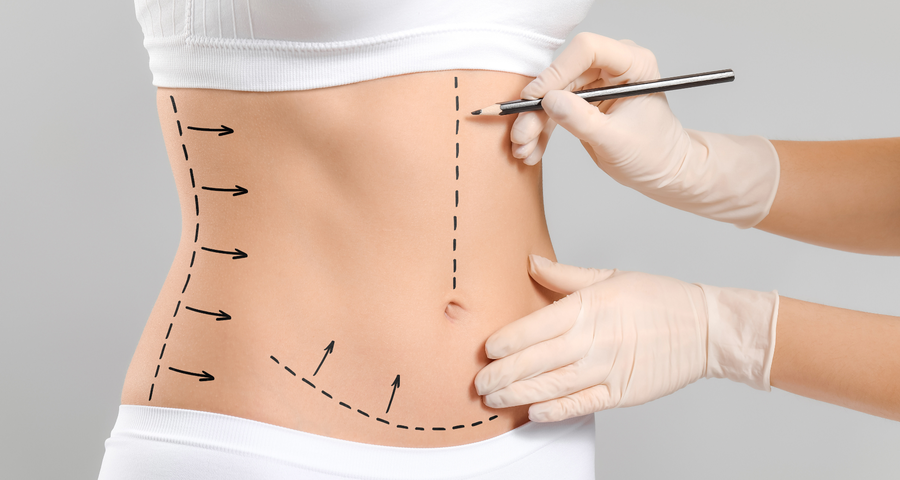
Skin tightening after fat removal procedures is a crucial aspect of body contouring that directly affects the final aesthetic outcome. Whether fat is removed through liposuction or non-surgical methods, the skin must retract and adapt to the new body shape. If the skin lacks elasticity, it may appear loose or saggy after fat reduction, which can affect overall results. Liposuction in Riyadh is a popular cosmetic procedure for people looking to remove stubborn fat and achieve a more contoured body shape.
Modern cosmetic treatments in cities like Riyadh increasingly focus not only on fat removal but also on ensuring smooth, firm, and natural-looking skin after the procedure.
When fat is removed from an area of the body, the skin that once stretched over that fat must shrink and conform to the new contour. This process is known as skin retraction.
Without proper skin tightening, even successful fat removal can result in uneven or less desirable outcomes.
After procedures like liposuction, the body goes through several biological processes:
This process can take several weeks to months depending on individual factors.
Not all patients experience the same level of skin retraction. Several factors determine how well the skin tightens after fat removal.
Younger patients generally have better skin elasticity due to higher collagen levels.
Large-volume fat removal increases the risk of loose skin.
Genetic factors influence collagen production and skin resilience.
Liposuction removes fat cells through suction, but it does not directly tighten skin. However, the skin may naturally retract depending on its quality.
In many cases, additional treatments are used to enhance skin firmness after fat removal.
Radiofrequency uses heat energy to stimulate collagen production.
Ultrasound energy penetrates deeper layers of the skin to stimulate collagen remodeling.
Laser energy targets skin layers to encourage collagen production.
Combines controlled micro-injuries with radiofrequency energy.
For more significant skin laxity, surgical procedures may be required.
These procedures remove excess skin rather than relying on natural retraction.
Compression garments play a vital role in post-fat removal skin tightening.
They are usually worn for several weeks after surgery.
Exercise does not directly tighten skin but can improve overall appearance by strengthening underlying muscles.
Strength training is especially helpful after recovery.
Proper nutrition supports skin elasticity and healing.
Hydration is also essential for maintaining skin elasticity.
Skin tightening is a gradual process that continues after fat removal.
In some cases, subtle improvements continue up to 12 months.
Additional skin tightening may be required if:
A combination approach often delivers the best results.
Skin tightening after fat removal procedures is a key factor in achieving smooth, natural, and aesthetically pleasing body contours. While the body has a natural ability to retract skin over time, the extent of tightening depends on age, skin quality, treatment method, and lifestyle factors.