English
 Arabic
 French
 Spanish
 Portuguese
 Deutsch
 Turkish
 Dutch
Dutch
 Italiano
 Russian
 Romaian
 Portuguese (Brazil)
 Greek
Greek
Ready to Eat Food Market Overview, Industry Top Manufactures, Size, Growth rate by 2031
Other |
2026-06-02 05:00:01
 Advertise With Us
 About Us
 Terms And Conditions
 Privacy Policy
Ver Todo
Privacy Policy
Ver Todo

Upgrade to Pro
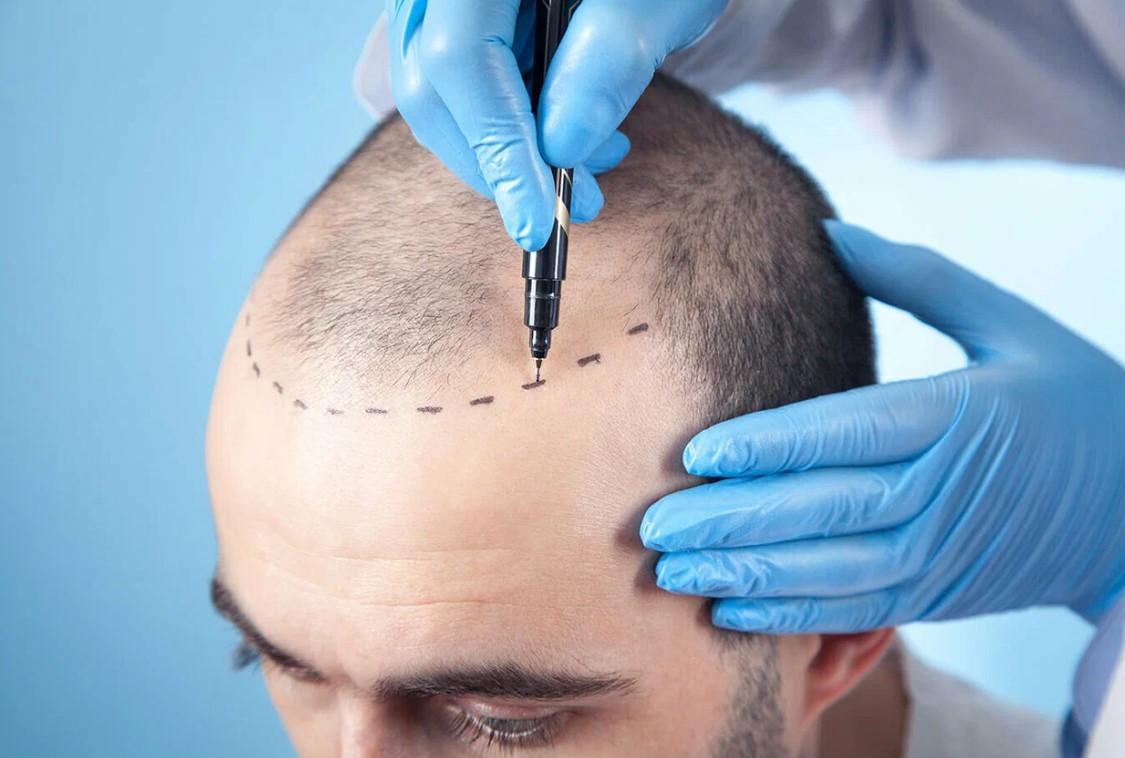
Hair transplantation has become one of the most popular and effective solutions for permanent hair loss. Despite major advancements in techniques like FUE (Follicular Unit Extraction), FUT (Follicular Unit Transplantation), and DHI (Direct Hair Implantation), many myths and misconceptions still surround the procedure. These misunderstandings often prevent people from making informed decisions or lead to unrealistic expectations. Hair transplant in Riyadh is becoming an increasingly popular solution for people seeking a permanent and natural-looking way to restore their hair.
This article clears up the most common myths about hair transplantation and explains the real facts behind them.
One of the biggest misconceptions is that results are visible immediately after surgery.
Hair transplantation is a gradual process. After the procedure:
The final outcome takes time because hair follows a natural growth cycle.
Many people believe that hair transplants always look unnatural or “plugged.”
Modern techniques create extremely natural results when performed correctly.
With FUE and DHI:
A well-performed transplant is usually undetectable.
Fear of pain prevents many people from considering the procedure.
Hair transplant surgery is performed under local anesthesia, which numbs the scalp.
Patients typically experience:
Most patients describe it as comfortable rather than painful.
Some believe hair transplants are only for people in their 40s or 50s.
Age alone is not the deciding factor. Ideal candidates are usually:
Younger patients can also be suitable, but evaluation is essential to ensure long-term stability.
Many assume that once a transplant is done, hair loss will never continue.
A hair transplant only restores transplanted hair. It does not stop genetic hair loss.
Doctors often recommend medications like finasteride or minoxidil to slow future hair loss.
Some people think the surgeon alone determines success.
Success depends on multiple factors:
Even the best surgery can fail if aftercare is ignored.
It is commonly believed that higher graft numbers guarantee better density.
Quality and placement matter more than quantity.
The goal is natural density, not excessive graft use.
Some believe anyone with hair loss can undergo a transplant.
Not everyone is a suitable candidate.
Hair transplant may not be recommended for:
Proper evaluation is essential before surgery.
Many assume transplanted hair requires lifelong special care.
After full recovery:
Only general hair care and healthy lifestyle habits are needed.
Some believe all patients get identical results.
Results vary due to:
Each patient’s outcome is unique.
People often think hair must be shaved forever after a transplant.
Only the donor area is typically shaved during surgery (depending on technique). After healing:
Hair loss is often associated with men, leading to this misconception.
Women can also undergo hair transplant surgery.
It is used for:
However, candidacy must be carefully evaluated in women.
Some people believe the procedure is dangerous.
Hair transplant is a minimally invasive and safe procedure when performed by qualified professionals.
Possible mild side effects include:
Serious complications are rare with proper medical care.
Patients sometimes expect full control over hairline design.
Hairline design must be:
An experienced surgeon creates a natural design rather than an extreme or artificial one.
Hair transplantation is a safe, effective, and scientifically proven solution for hair loss, but it is surrounded by many myths that create confusion and unrealistic expectations. Understanding the truth behind these misconceptions helps patients make informed decisions and approach the procedure with clarity.