Skin Thickness Impact on Rhinoplasty Outcomes
Introduction
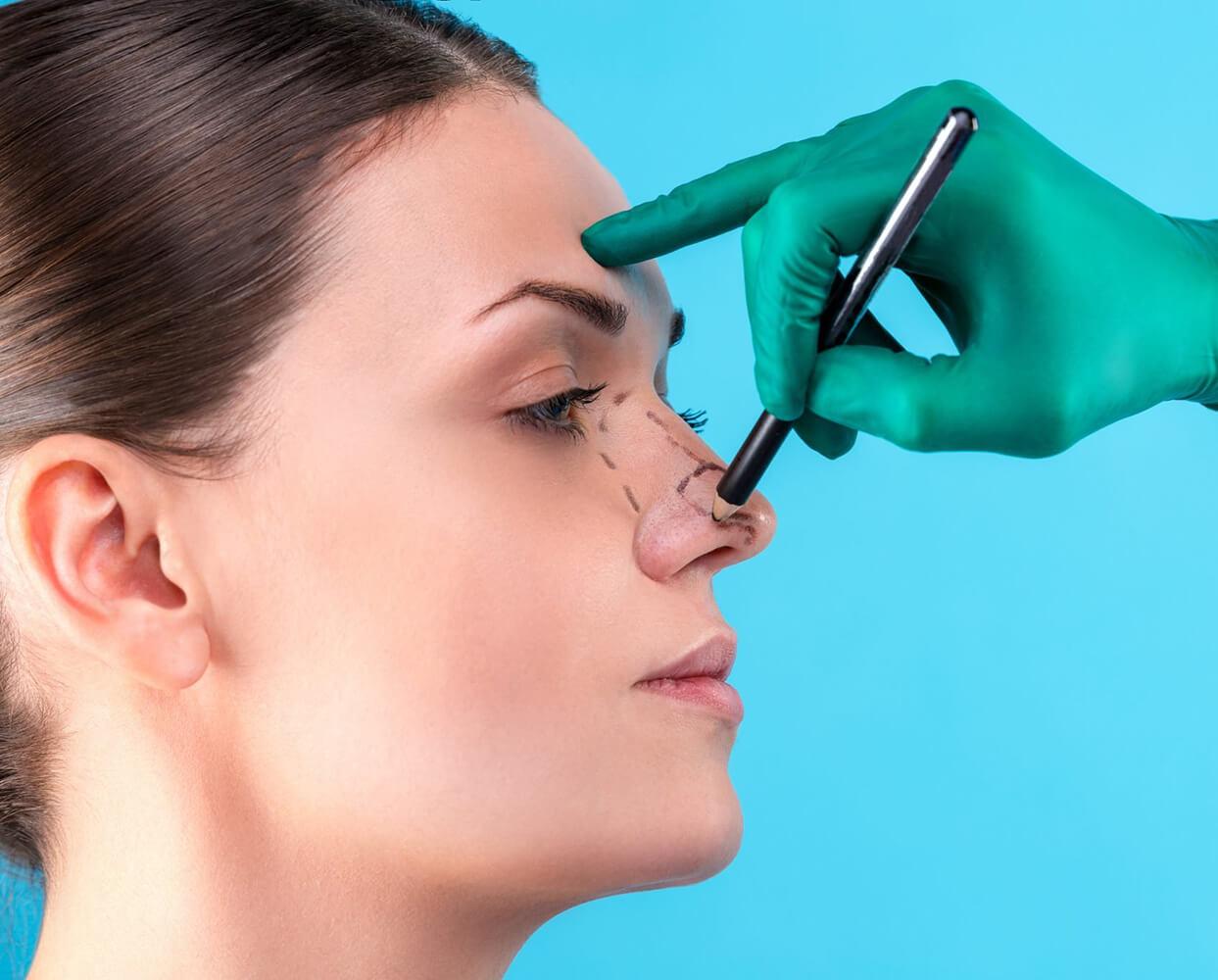
Skin thickness is one of the most important—but often overlooked—factors influencing rhinoplasty results. While much attention is given to bone and cartilage reshaping, the way skin drapes over the new nasal framework ultimately determines how the final nose looks.
Within the field of Plastic Surgery, skin quality is considered a key predictor of surgical outcome, healing pattern, and the level of visible refinement achievable after rhinoplasty.
Rhinoplasty in Riyadh is a popular procedure for improving both the appearance and function of the nose.
In simple terms, the surgeon reshapes the “structure,” but the skin determines how clearly that structure is seen.
Understanding Skin Thickness in the Nose
Nasal skin is not uniform across all individuals or even across different parts of the same nose. It typically varies in thickness across:
- Nasal bridge (usually thinner skin)
- Nasal tip (often thicker and more sebaceous)
- Sidewalls (moderate thickness in most cases)
Skin thickness can be broadly categorized into:
- Thin skin
- Medium (normal) skin
- Thick skin
Each type behaves differently after surgery and significantly affects aesthetic outcomes.
Thin Skin and Its Impact on Rhinoplasty
Characteristics:
- Delicate and less fatty tissue
- Highly responsive to underlying structure
- More transparent over cartilage and bone
Advantages:
- Excellent definition after surgery
- Sharp nasal contours visible
- Precise structural changes are easily seen
Challenges:
- Even minor irregularities may become visible
- Asymmetries are more noticeable
- Scar edges or graft transitions may show through
- Requires highly precise surgical technique
Outcome pattern:
Thin skin often produces very refined results but demands meticulous surgical execution because imperfections are less forgiving.
Thick Skin and Its Impact on Rhinoplasty
Characteristics:
- More fatty and sebaceous tissue
- Heavier soft tissue envelope
- Often seen in the nasal tip area
Advantages:
- Hides minor irregularities well
- More forgiving of small asymmetries
- Lower risk of visible surface imperfections
Challenges:
- Less definition of nasal tip
- Swelling lasts longer
- Final results take more time to appear
- Structural changes may be less visible externally
Outcome pattern:
Thick skin can mask surgical refinement, meaning even well-executed structural work may appear less defined externally.
Medium Skin (Balanced Type)
Characteristics:
- Neither too thin nor too thick
- Most predictable healing pattern
- Balanced softness and definition
Advantages:
- Good visibility of structural improvements
- Lower risk of visible irregularities
- More predictable swelling resolution
Outcome pattern:
Medium skin is generally considered ideal because it offers a balance between definition and forgiveness.
How Skin Thickness Affects Surgical Planning
In modern rhinoplasty within Plastic Surgery, skin type directly influences surgical strategy.
1. Level of Refinement Possible
- Thin skin → highly detailed refinement possible
- Thick skin → broader structural changes needed for visible effect
2. Use of Cartilage Grafts
- Thick skin often requires stronger support (cartilage grafts) to create visible definition
- Thin skin requires carefully smoothed graft edges to avoid visibility
3. Tip Definition Strategy
- Thin skin: fine shaping techniques used carefully
- Thick skin: stronger structural projection needed to support skin envelope
4. Swelling Management Approach
- Thick skin: longer swelling period expected, especially at the tip
- Thin skin: swelling resolves faster but irregularities may appear earlier
Skin Thickness and Swelling Behavior
Swelling patterns differ significantly based on skin type:
Thick skin:
- Prolonged swelling, especially in nasal tip
- Slower final definition (often 6–12+ months)
- “Bulky” appearance during early healing
Thin skin:
- Faster visible definition
- Early irregularities may appear more obvious
- Swelling resolves relatively quickly
Medium skin:
- Balanced swelling and recovery timeline
- More predictable refinement process
Impact on Final Aesthetic Outcome
Skin thickness directly influences how the final nose appears after healing:
Thin Skin Outcomes:
- High-definition nasal contours
- Sharper tip definition
- More “sculpted” appearance
- Higher risk of visible imperfections if present
Thick Skin Outcomes:
- Softer, more blended appearance
- Reduced sharpness in tip definition
- Natural-looking but less dramatic refinement
- Longer time to reach final shape
Medium Skin Outcomes:
- Balanced definition and smoothness
- Most predictable aesthetic results
- Often considered the most favorable for consistency
Psychological Considerations
Skin thickness also affects patient expectations and satisfaction.
- Patients with thick skin may expect very sharp results but require education about natural limits
- Patients with thin skin may worry about visible irregularities during healing
- Medium skin patients generally experience more predictable satisfaction levels
Managing expectations is a key part of surgical planning in Plastic Surgery.
Why Skin Thickness Cannot Be Changed
A critical point is that skin thickness is largely genetic and cannot be significantly altered by surgery.
- Surgery reshapes underlying structure, not skin type
- Postoperative care can reduce swelling but not change thickness
- Long-term appearance depends on how skin adapts to new framework
This makes pre-operative assessment extremely important.
Conclusion
Skin thickness plays a major role in determining rhinoplasty outcomes, influencing everything from surgical planning to final aesthetic results. Thin skin allows for greater definition but requires precision, thick skin provides softness but limits visible refinement, and medium skin offers a balanced outcome.
 English
 Arabic
 French
 Spanish
 Portuguese
 Deutsch
 Turkish
 Dutch
Dutch
 Italiano
 Russian
 Romaian
 Portuguese (Brazil)
 Greek
Greek
 Advertise With Us
 About Us
 Terms And Conditions
 Политика конфиденциальности
Смотреть все
Политика конфиденциальности
Смотреть все