English
 Arabic
 French
 Spanish
 Portuguese
 Deutsch
 Turkish
 Dutch
Dutch
 Italiano
 Russian
 Romaian
 Portuguese (Brazil)
 Greek
Greek
Trending Read How to Lose a Goblin in Ten Days by Jessie Sylva
Sports |
2026-06-23 05:04:59
 Advertise With Us
 About Us
 Terms And Conditions
 Privacy Policy
Ver Todo
Privacy Policy
Ver Todo

Upgrade to Pro
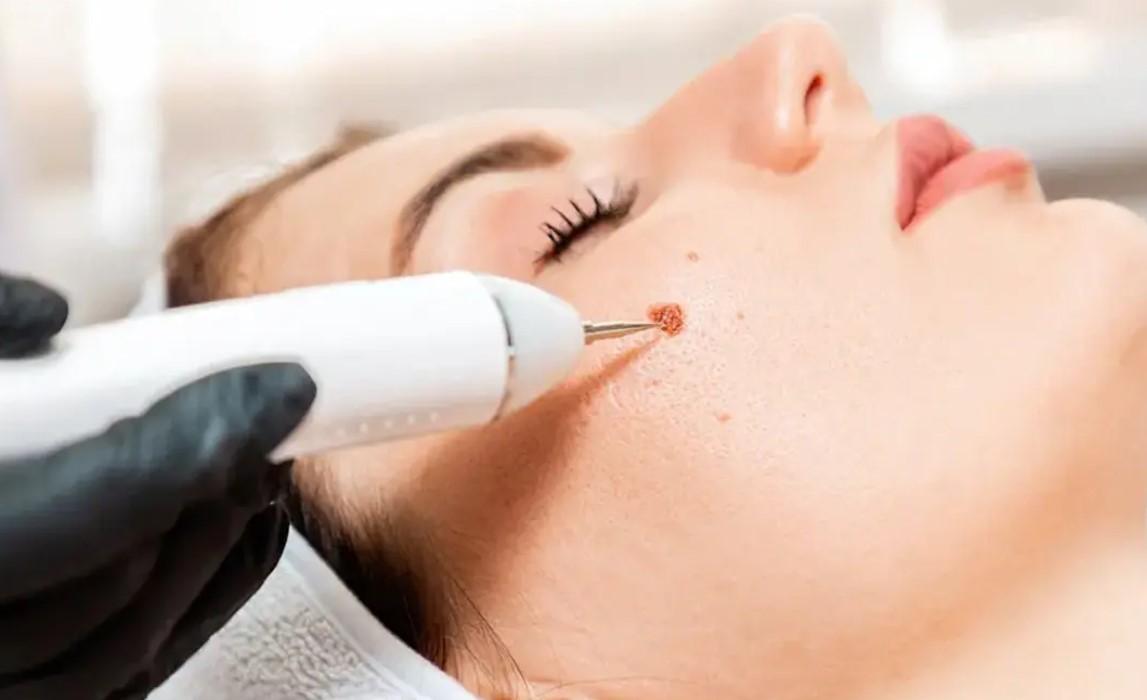
Preparing properly for a mole removal procedure is an important step that can improve safety, reduce complications, and support better healing outcomes. Whether the mole is being removed for cosmetic reasons or medical evaluation, good preparation helps ensure the procedure goes smoothly and that recovery is as quick and comfortable as possible. Mole Removal in Riyadh is a common dermatology procedure chosen for both cosmetic improvement and medical safety.
Dermatologists usually provide specific instructions based on the type of removal method planned, but there are general preparation steps that apply to most mole removal procedures.
Before preparing, it is important to understand which type of mole removal procedure will be performed. The preparation may differ depending on whether the treatment is surgical excision, shave removal, laser removal, or cryotherapy.
Surgical excision involves cutting out the mole and stitching the skin. Laser removal uses focused light to break down pigment cells. Shave excision removes the mole from the surface of the skin, while cryotherapy freezes the lesion.
Each method has different requirements in terms of anesthesia, healing time, and aftercare, so knowing the planned procedure helps patients prepare mentally and physically.
The preparation process begins with a dermatologist consultation. During this visit, the doctor examines the mole carefully to determine whether it is benign or requires further investigation.
A detailed skin assessment may include visual inspection, dermatoscopy, and a review of medical history. The dermatologist will ask questions about:
This evaluation helps determine the safest and most appropriate removal method.
One of the most important steps in preparation is informing the dermatologist about your medical history and any medications you are taking.
Certain medications can affect bleeding and healing during and after the procedure. For example, blood-thinning medications may increase the risk of bleeding during surgical removal.
Patients should also mention:
Providing accurate information helps the dermatologist plan a safer procedure and avoid complications.
In many cases, patients may be advised to avoid blood-thinning substances before mole removal. These can increase the risk of bleeding during or after the procedure.
Common substances that may be restricted include:
However, patients should never stop prescribed medications without consulting their doctor first. The dermatologist will provide specific guidance based on individual health needs.
Keeping the skin clean and healthy before mole removal is essential. On the day of the procedure, the area should be free from makeup, lotions, creams, or oils.
Clean skin reduces the risk of infection and allows the dermatologist to clearly assess and treat the mole. Patients are usually advised to wash the area gently with mild soap and water before arriving at the clinic.
Avoiding skin irritation or sunburn before the procedure is also important, as inflamed or damaged skin may affect treatment outcomes.
Clothing choice can make a difference in comfort during and after the procedure. Patients are often advised to wear loose, comfortable clothing that allows easy access to the mole area.
For example:
This helps reduce discomfort and prevents friction on the treated area after removal.
Preparing mentally for mole removal is just as important as physical preparation. Understanding what to expect during the procedure can help reduce anxiety.
Most mole removal procedures are performed under local anesthesia, meaning the area will be numbed and the patient remains awake but does not feel pain.
Patients may feel slight pressure or movement during the procedure, but discomfort is usually minimal. Knowing this in advance helps create a more relaxed experience.
It is also important to understand that some procedures may leave a small scar or temporary skin discoloration, depending on the method used.
Even though many mole removal procedures are quick, some recovery time is needed afterward. Planning ahead ensures proper rest and reduces stress after the procedure.
Patients may need to:
For surgical procedures, recovery may take longer compared to laser or cryotherapy treatments.
Sun exposure before mole removal can irritate the skin and increase sensitivity during the procedure. It is generally recommended to avoid excessive sun exposure in the days leading up to treatment.
Sunburned or overly tanned skin may be more difficult to treat and could affect healing outcomes. Protecting the skin helps ensure a smoother procedure and better recovery.
In some cases, especially for surgical excision or larger moles, it may be helpful to arrange transportation or assistance after the procedure. While most mole removals do not require downtime, patients may feel slight discomfort or tenderness afterward.
Having basic aftercare supplies ready, such as clean dressings or prescribed ointments, can also make recovery easier.
Patients are encouraged to ask questions before undergoing mole removal. Understanding the process helps build confidence and ensures clear expectations.
Important questions may include:
Clear communication with the dermatologist helps avoid confusion and improves overall satisfaction with the procedure.
Every dermatologist may provide specific instructions tailored to the patient’s condition. Following these instructions carefully is essential for a safe and successful procedure.
Ignoring preparation guidelines can increase the risk of complications such as bleeding, infection, or delayed healing.
Preparing for a mole removal procedure involves both physical and mental readiness. From understanding the type of procedure and discussing medical history to caring for the skin and planning recovery, each step plays an important role in ensuring a smooth experience.