Upgrade auf Pro

Non-Surgical Hair Loss Treatments vs Hair Transplant

Non-Surgical Hair Loss Treatments vs Hair Transplant: Which Option Is Right for You?

Hair loss is a widespread concern affecting both men and women, and choosing the right treatment can be confusing. Many people considering a hair transplant in Dammam often first explore non-surgical options before deciding on surgery. Both approaches have their advantages, limitations, and ideal use cases. 

Hair transplant in Dammam is a popular hair restoration solution for individuals seeking natural-looking results and long-term confidence.

Understanding the differences between non-surgical hair loss treatments and hair transplants is essential for making an informed decision based on your hair loss stage, expectations, and long-term goals.

Understanding Hair Loss Treatments

Hair loss treatments generally fall into two categories:

  • Non-surgical treatments (medications and therapies)
  • Surgical treatment (hair transplant)

Each works differently and is suitable for different stages of hair loss.

What Are Non-Surgical Hair Loss Treatments?

Non-surgical treatments aim to slow down hair loss, strengthen existing hair, and sometimes stimulate regrowth. They do not involve surgery or permanent relocation of hair follicles.

Common Non-Surgical Options

1. Medications

The two most commonly used medications are:

  • Minoxidil: A topical solution or foam applied to the scalp to stimulate hair growth
  • Finasteride: An oral medication that reduces DHT, the hormone responsible for male pattern baldness

These are widely used for early to moderate hair loss.

2. Platelet-Rich Plasma (PRP) Therapy

PRP involves extracting a patient’s blood, concentrating platelets, and injecting them into the scalp to stimulate hair follicles.

Benefits include:

  • Improved hair thickness
  • Reduced hair shedding
  • Enhanced scalp health

3. Low-Level Laser Therapy (LLLT)

This treatment uses laser light to stimulate hair follicles and improve blood circulation in the scalp.

4. Nutritional Supplements

Supplements containing:

  • Biotin
  • Zinc
  • Iron
  • Vitamins D and B complex

may help improve hair health, especially if deficiencies are present.

What Is a Hair Transplant?

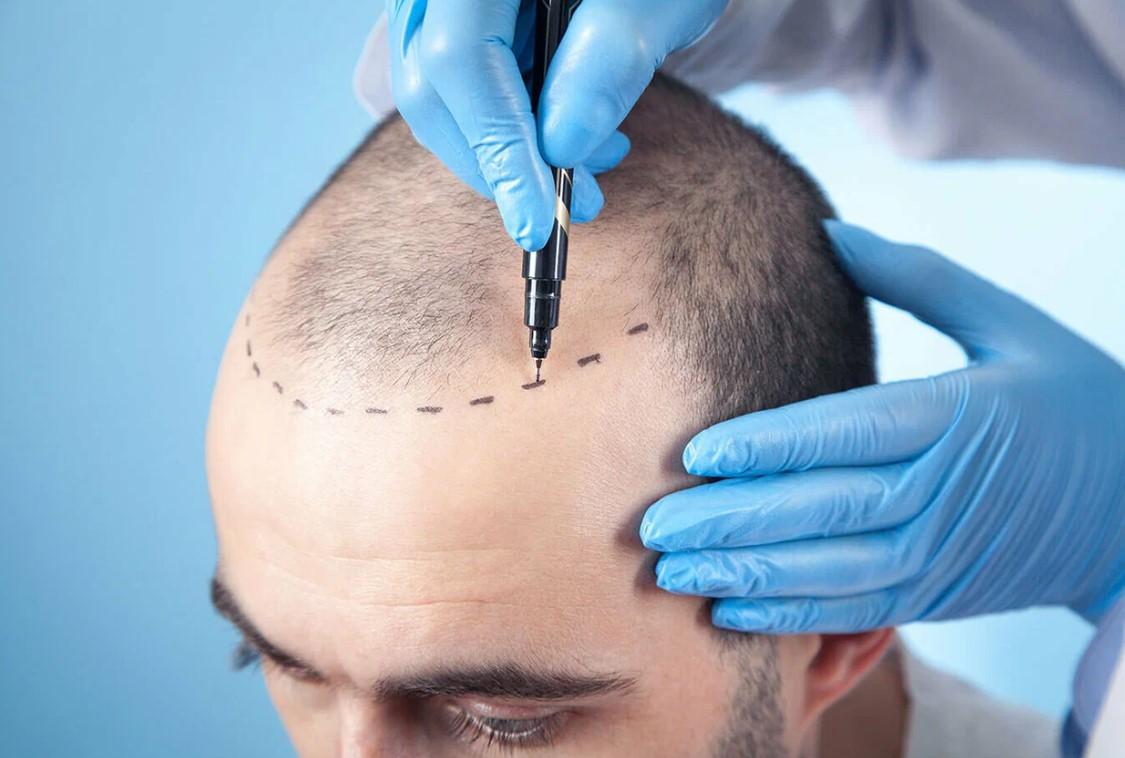
A hair transplant is a surgical procedure that permanently restores hair by moving healthy follicles from a donor area (back or sides of the scalp) to bald or thinning areas.

The main techniques include:

  • Follicular Unit Extraction (FUE)
  • Follicular Unit Transplantation (FUT)

Unlike non-surgical treatments, a hair transplant provides permanent hair growth in transplanted areas.

Key Differences Between Non-Surgical Treatments and Hair Transplant

1. Treatment Goal

Non-Surgical Treatments:

  • Slow down hair loss
  • Strengthen existing hair
  • Improve scalp health

Hair Transplant:

  • Restore lost hair permanently
  • Rebuild hairline and density
  • Fill bald areas

2. Results Timeline

Non-Surgical Treatments:

  • Require continuous use
  • Results appear gradually over 3–6 months
  • Stop treatment = potential reversal of results

Hair Transplant:

  • Initial shedding occurs in first weeks
  • Visible growth begins after 3–4 months
  • Final results in 12–18 months
  • Permanent outcome in transplanted areas

3. Permanence

Non-Surgical:

  • Temporary maintenance solution
  • Hair may fall again if treatment stops

Hair Transplant:

  • Permanent hair growth in transplanted follicles
  • Does not require lifelong medication (though maintenance may help)

4. Suitability

Non-Surgical Treatments Are Best For:

  • Early-stage hair thinning
  • Mild to moderate hair loss
  • Patients not ready for surgery
  • People aiming to slow progression

Hair Transplant Is Best For:

  • Advanced baldness
  • Receding hairlines
  • Permanent restoration needs
  • Patients with stable donor hair

5. Cost Comparison

Non-Surgical Treatments:

  • Lower initial cost
  • Ongoing long-term expense
  • Continuous maintenance required

Hair Transplant:

  • Higher upfront cost
  • One-time or limited sessions
  • Long-term cost-effective solution

6. Maintenance Requirements

Non-Surgical:

  • Continuous daily or monthly treatment
  • Lifelong commitment in most cases

Hair Transplant:

  • Minimal maintenance after recovery
  • Occasional follow-ups recommended

Effectiveness of Non-Surgical Treatments

Non-surgical treatments can be effective, but results vary depending on the stage of hair loss.

What They Can Achieve:

  • Slow down hair loss progression
  • Improve hair thickness
  • Strengthen weak follicles

Limitations:

  • Cannot restore completely bald areas
  • Require ongoing use
  • Less effective in advanced hair loss

Effectiveness of Hair Transplant

A hair transplant in Dammam is considered one of the most effective long-term solutions for hair restoration.

Benefits:

  • Permanent results in transplanted areas
  • Natural-looking hairline restoration
  • High graft survival rates
  • Improved overall appearance

Limitations:

  • Does not stop future natural hair loss
  • Requires sufficient donor hair
  • Results take time to fully develop

Can Both Treatments Be Combined?

Yes, in many cases, doctors recommend combining both approaches for optimal results.

Combination Benefits:

  • Non-surgical treatments stabilize existing hair
  • Hair transplant restores lost hair
  • Better long-term density and coverage

For example:

  • Finasteride may slow future hair loss
  • Minoxidil may support regrowth
  • PRP may improve graft survival and hair quality

Which Option Is Better?

There is no single best option for everyone. The right choice depends on your condition.

Choose Non-Surgical Treatments If:

  • Hair loss is in early stages
  • You want to avoid surgery
  • You are looking for temporary improvement

Choose Hair Transplant If:

  • You have visible bald areas
  • You want permanent restoration
  • Medications are no longer effective

Psychological Considerations

Hair loss affects confidence and self-image. Choosing the right treatment also depends on emotional readiness.

  • Non-surgical treatments require patience and consistency
  • Hair transplants require short-term recovery but long-term satisfaction

Understanding expectations helps avoid disappointment and improves satisfaction.

Final Thoughts

Both non-surgical hair loss treatments and hair transplants play important roles in modern hair restoration. Non-surgical options are effective for slowing hair loss and improving early-stage thinning, while a hair transplant in Dammam offers a permanent solution for restoring lost hair and rebuilding natural density.

The best approach often depends on the stage of hair loss, donor hair availability, and long-term goals. In many cases, combining both treatments provides the most balanced and effective outcome.