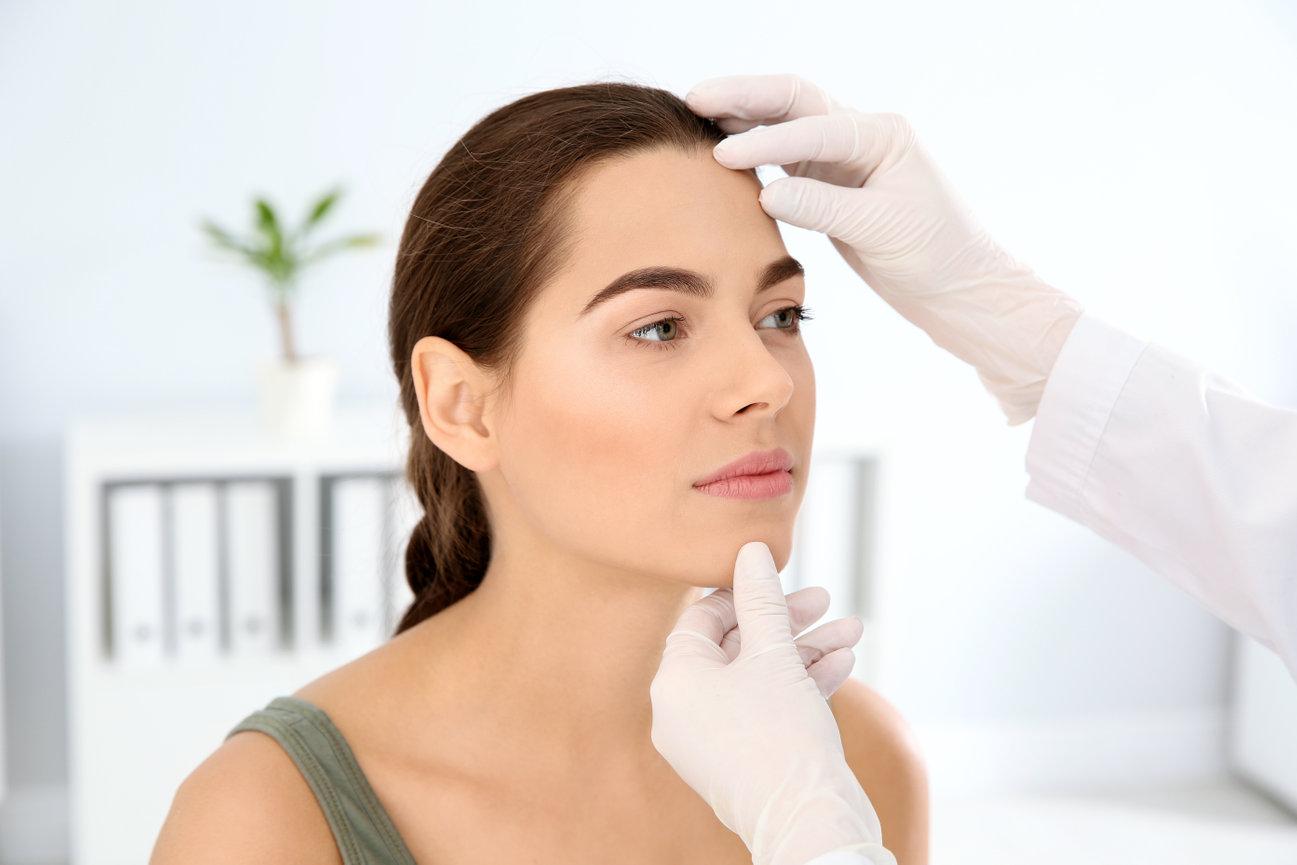
Good vision is crucial for everyday activities, yet many people overlook the importance of regular eye examinations. Eye checkups do more than determine whether you need glasses. They help detect serious eye diseases and can even reveal signs of underlying health conditions. Regular eye care is one of the most effective ways to protect long-term vision.
What Happens During an Eye Exam?
A comprehensive eye examination includes several tests designed to evaluate both vision and overall eye health. Eye specialists assess visual acuity, eye pressure, eye movement, and the condition of the retina and optic nerve. These evaluations provide valuable information about potential eye diseases and vision changes.
Early Detection Saves Sight
Many serious eye conditions develop without noticeable symptoms. Glaucoma, diabetic retinopathy, and macular degeneration can progress silently until significant damage has occurred. Routine eye exams allow healthcare professionals to identify these conditions early and begin treatment before vision loss becomes severe.
Eye Exams for Children
Children rely heavily on good vision for learning and development. Undiagnosed vision problems can affect reading ability, classroom performance, and social interactions. Regular eye examinations help detect issues such as lazy eye, crossed eyes, and refractive errors, ensuring that children receive timely treatment.
The Impact of Screen Time
Modern lifestyles involve extensive use of digital devices. Excessive screen exposure can contribute to eye strain, dry eyes, and blurred vision. Eye examinations help identify vision-related issues caused by screen use and provide recommendations to reduce discomfort.
Eye Health and Aging
As people age, the likelihood of developing eye diseases increases. Conditions such as cataracts, glaucoma, and macular degeneration become more common after the age of sixty. Routine eye exams allow specialists to monitor age-related changes and recommend appropriate interventions.
Detecting Other Health Conditions
The eyes can provide important clues about overall health. During an eye examination, healthcare professionals may detect signs of diabetes, high blood pressure, high cholesterol, and certain neurological disorders. Early identification of these conditions can improve treatment outcomes and overall health management.
Maintaining Healthy Eyes
In addition to regular checkups, several lifestyle habits can help preserve vision. Eating a balanced diet, exercising regularly, managing chronic health conditions, avoiding smoking, and wearing UV-protective sunglasses all contribute to healthier eyes.
Recommended Eye Exam Schedule
Children should receive regular vision screenings throughout their developmental years. Adults should undergo periodic eye examinations based on their age and risk factors. Individuals with diabetes, a family history of eye disease, or existing vision problems may require more frequent visits.
Conclusion
Regular eye examinations are an essential part of preventive healthcare. They help detect eye diseases early, monitor vision changes, and identify signs of other medical conditions. By prioritizing routine eye care and adopting healthy lifestyle habits, individuals can protect their eyesight and maintain better vision for a lifetime.
 English
 Arabic
 French
 Spanish
 Portuguese
 Deutsch
 Turkish
 Dutch
Dutch
 Italiano
 Russian
 Romaian
 Portuguese (Brazil)
 Greek
Greek
 Advertise With Us
 About Us
 Terms And Conditions
 Politique de confidentialité
Tout voir
Politique de confidentialité
Tout voir