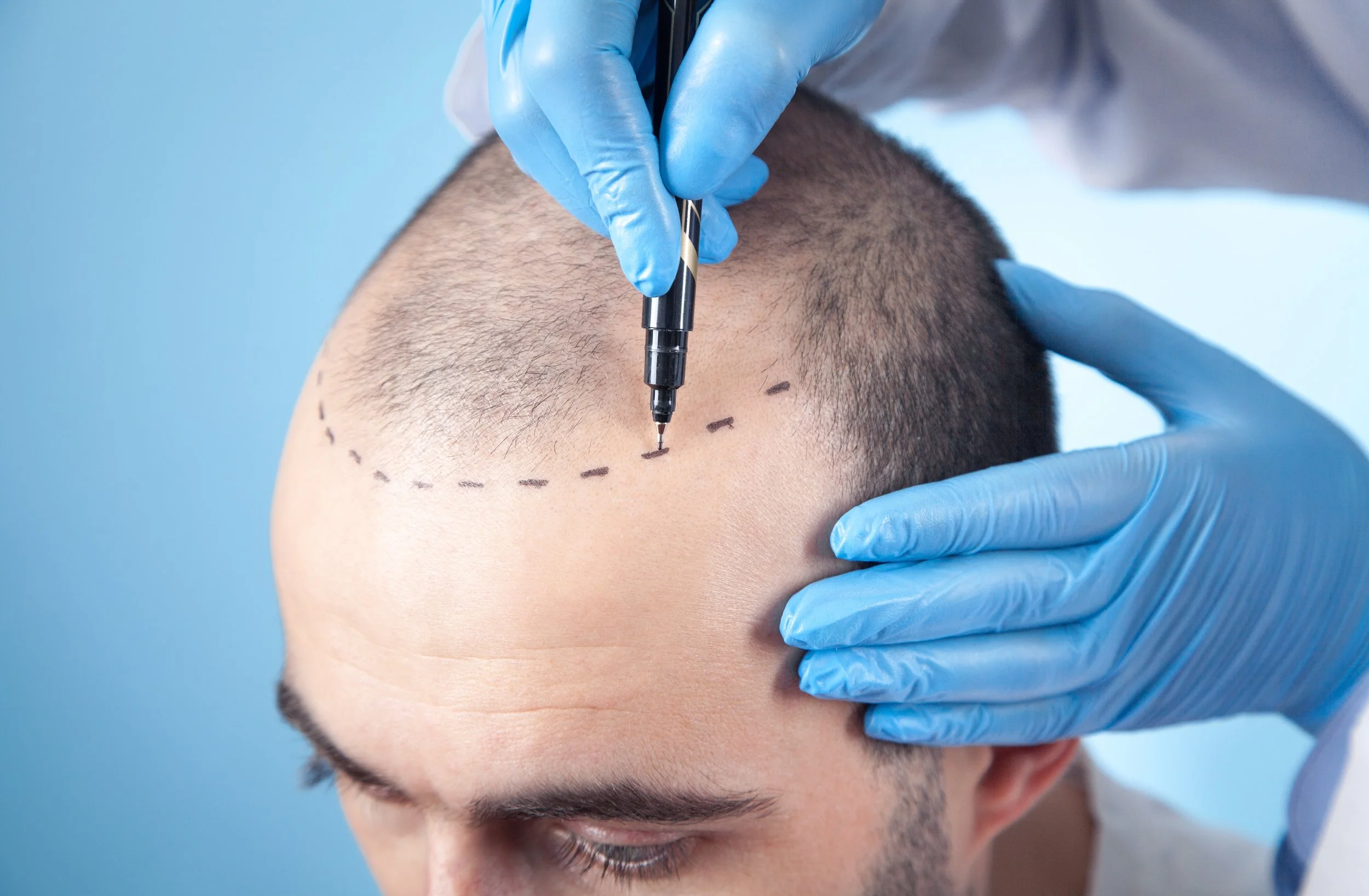
Hair loss is a common concern that affects both men and women, often leading people to explore long-term solutions for restoring their hair. Among the available treatments, Hair Transplant Surgery has become one of the most trusted and widely performed procedures for addressing baldness and thinning hair. Many individuals considering this option ask the same question: is a hair transplant truly permanent? Understanding how the procedure works, why transplanted hair can last for years, and what factors influence long-term results can help individuals make informed decisions about hair restoration.
Understanding How Hair Transplants Work:
Hair transplants are based on the concept of relocating healthy hair follicles from one part of the scalp to another. These follicles are usually taken from areas where hair is naturally resistant to thinning, typically the back and sides of the head. Once these follicles are transplanted into thinning or bald areas, they continue to grow hair just as they did in their original location. This process restores hair density and helps rebuild a natural-looking hairline.
Important aspects of the procedure include:
-
Using the patient’s own hair follicles
-
Transferring follicles from a donor area to thinning regions
-
Preserving natural hair growth patterns
-
Encouraging long-term hair growth
Because the transplanted follicles maintain their genetic characteristics, they often continue producing hair for many years.
The Role of Donor Hair in Permanent Results:
The success of hair restoration largely depends on the quality and stability of donor hair. The donor area contains follicles that are genetically resistant to the hormone responsible for pattern baldness. When these follicles are moved to a new area of the scalp, they typically retain this resistance and continue growing hair.
Key characteristics of donor hair include:
-
Genetic resistance to hair loss
-
Strong and healthy follicles
-
Consistent hair growth patterns
-
Long-term stability after transplantation
This genetic resistance is one of the main reasons hair transplants are considered a long-lasting solution.
Why Transplanted Hair Continues to Grow:
Transplanted hair grows because the follicles carry their original biological programming even after being relocated. This concept is known as donor dominance, which means the follicles behave according to their genetic origin rather than the area where they are placed. As a result, once the follicles settle into their new location, they continue to produce hair normally.
Factors that allow transplanted hair to grow include:
-
Preservation of follicle health during transplantation
-
Adequate blood supply in the recipient area
-
Proper placement and angle of grafts
-
Natural hair growth cycles continuing after the procedure
This biological process supports long-term hair growth in transplanted areas.
What Happens to Existing Hair After the Procedure:
While transplanted hair follicles are typically permanent, the surrounding natural hair may still be affected by ongoing hair loss. This means that untreated areas of the scalp could continue to thin over time if the underlying cause of hair loss remains active. For this reason, some patients may require additional treatments to maintain overall hair density.
Possible changes in existing hair may include:
-
Continued thinning due to genetic factors
-
Gradual hair loss in untreated areas
-
Need for maintenance treatments in some cases
-
Natural aging affecting hair density
Understanding this distinction helps set realistic expectations for long-term hair restoration results.
The Hair Growth Timeline After Transplant:
Hair growth after a transplant does not happen immediately. The newly transplanted follicles need time to adjust and begin their natural growth cycle. In many cases, the transplanted hairs initially shed before new growth begins. This temporary shedding is a normal part of the process and does not affect the long-term success of the procedure.
Typical hair growth stages include:
-
Mild redness or swelling in the first few days
-
Temporary shedding of transplanted hair within a few weeks
-
New hair growth beginning after three to four months
-
Visible improvements in density around six months
-
Full results usually appearing within nine to twelve months
Patience is essential during this period as the follicles gradually produce thicker and stronger hair.
Factors That Influence Long-Term Results:
Although hair restoration can provide lasting results, several factors influence how successful and long-lasting the outcome will be. Proper surgical technique, patient health, and post-procedure care all contribute to the final results. Individuals who follow medical guidance and maintain healthy scalp conditions often experience better outcomes.
Factors affecting long-term success include:
-
Experience and skill of the surgeon
-
Quality and density of donor hair
-
Patient’s age and hair loss pattern
-
Proper aftercare and scalp maintenance
-
Overall health and lifestyle habits
These factors help determine the durability and appearance of the restored hairline.
Maintaining Results After Hair Restoration:
Although transplanted hair can last for many years, maintaining overall hair health is still important. Patients may be advised to follow certain lifestyle practices or supportive treatments to preserve the surrounding hair and improve scalp health.
Helpful maintenance practices include:
-
Maintaining a balanced diet for hair health
-
Managing stress levels
-
Using recommended hair care products
-
Attending follow-up consultations with specialists
-
Considering additional treatments if necessary
These practices support the long-term success of hair restoration and help maintain a fuller appearance.
Who Benefits Most from Hair Transplants:
Not everyone experiencing hair loss is an ideal candidate for a transplant procedure. The best results are usually seen in individuals who have sufficient donor hair and a stable pattern of hair loss. A professional consultation can help determine whether this treatment is suitable for a particular case.
Ideal candidates often include:
-
Individuals with pattern baldness
-
Patients with stable hair loss patterns
-
People with good donor hair density
-
Those seeking long-term hair restoration solutions
Careful evaluation ensures the treatment plan is tailored to each individual’s needs.
Final Thoughts
Hair restoration procedures have become a highly effective solution for individuals experiencing hair loss. While no medical treatment can completely stop the natural aging process, transplanted follicles often continue to grow hair for many years because they retain their genetic resistance to hair loss. Understanding how donor hair works, what influences long-term results, and how to maintain scalp health can help patients achieve the best possible outcomes. With proper planning, realistic expectations, and professional care, individuals can enjoy lasting improvements in hair density and a more natural-looking hairline.
 English
 Arabic
 French
 Spanish
 Portuguese
 Deutsch
 Turkish
 Dutch
Dutch
 Italiano
 Russian
 Romaian
 Portuguese (Brazil)
 Greek
Greek
 Advertise With Us
 About Us
 Terms And Conditions
 سياسة الخصوصية
عرض كل النتائج
سياسة الخصوصية
عرض كل النتائج