How Age Influences PRP Hair Restoration Outcomes
Hair loss can affect people at different stages of life, but the way the scalp responds to treatment often changes with age. One of the most important factors influencing the success of PRP (Platelet-Rich Plasma) hair restoration is the patient’s age. While PRP is widely used for both men and women, its effectiveness can vary depending on how old the patient is, how active their hair follicles are, and how advanced the hair loss has become. PRP hair treatment in Riyadh is a popular non-surgical solution that uses platelet-rich plasma to help stimulate natural hair growth and improve hair density.
Understanding how age influences PRP hair restoration outcomes helps set realistic expectations and improves decision-making for those considering this non-surgical treatment.
Why Age Matters in Hair Restoration
Age plays a key role in hair growth because it affects both the biological activity of hair follicles and the body’s healing response. Hair follicles naturally become less active over time, and the scalp’s ability to regenerate also slows down.
As a result, younger individuals often respond more strongly to regenerative treatments like PRP, while older individuals may require more sessions or combination therapies to achieve similar results.
How PRP Hair Treatment Works
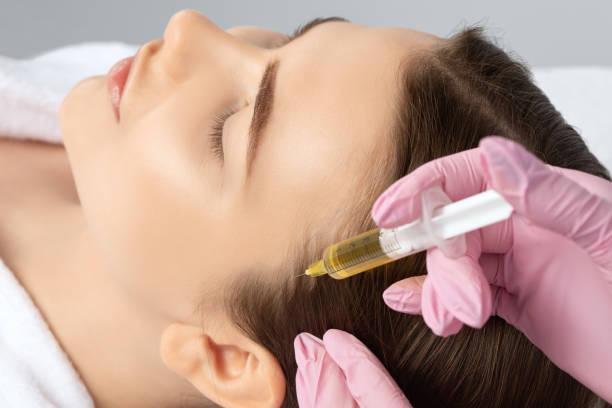
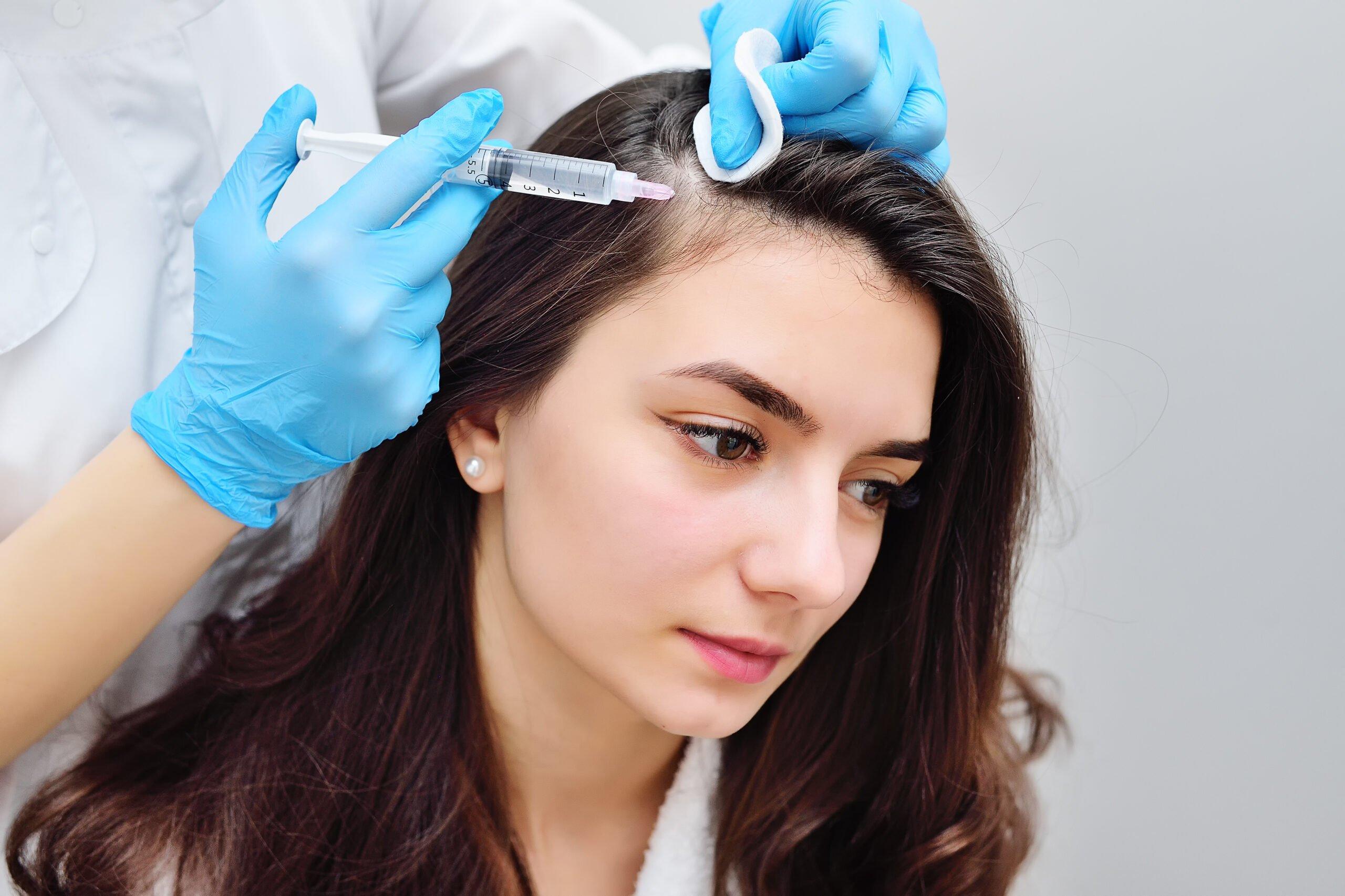
PRP hair treatment uses platelet-rich plasma derived from the patient’s own blood. This plasma is rich in growth factors that help:
- Stimulate hair follicles
- Improve blood circulation in the scalp
- Strengthen existing hair
- Extend the hair growth phase
- Reduce hair shedding
Since PRP depends on the body’s natural regenerative capacity, age-related biological changes can influence how well the treatment works.
PRP Outcomes in Younger Patients
Younger patients, typically in their 20s and early 30s, often experience the best response to PRP therapy.
More Active Hair Follicles
In younger individuals, hair follicles are usually still active even if they are beginning to thin. PRP can effectively stimulate these follicles and restore their function.
Better Cellular Regeneration
The body’s natural healing ability is stronger at a younger age. This means growth factors released by PRP work more efficiently, leading to better stimulation of hair growth.
Slower Progression of Hair Loss
Early-stage hair loss in younger patients is often easier to control. PRP can slow down the progression significantly and help maintain existing hair density.
Stronger and Faster Results
Younger patients may notice:
- Faster reduction in hair shedding
- Earlier improvement in hair thickness
- Better overall density increase
In many cases, PRP can effectively stabilize early hair loss in this age group.
PRP Outcomes in Middle-Aged Patients
Middle-aged individuals, typically between 35 and 50, are the most common group seeking PRP treatment. Their results are still positive, but more variable compared to younger patients.
Moderately Active Follicles
In this age group, some follicles remain active while others may be weakening or miniaturizing. PRP can still stimulate many of these follicles, but the response may not be uniform across the scalp.
Visible Improvement in Thickness
Patients often experience:
- Improved hair texture
- Increased thickness in thinning areas
- Reduced shedding
- Moderate improvement in density
However, results may take longer to become visible compared to younger individuals.
Need for Combination Treatments
Middle-aged patients often benefit from combining PRP with other treatments such as:
- Medicated hair loss therapies
- Nutritional support
- Scalp treatments
- Hair transplant procedures in advanced cases
This combined approach helps enhance PRP effectiveness.
PRP Outcomes in Older Patients
Older individuals, typically above 50, may still benefit from PRP, but outcomes depend heavily on follicle condition.
Reduced Follicle Activity
With age, many hair follicles become inactive or significantly miniaturized. In such cases, PRP may have limited ability to fully reactivate them.
Slower and Subtle Improvements
Older patients may notice:
- Slight improvement in hair texture
- Reduced hair shedding
- Mild increase in density in some areas
However, dramatic regrowth is less common unless follicles are still viable.
Greater Dependence on Maintenance
To maintain results, older patients may require more frequent maintenance sessions. PRP often works best as a supportive therapy rather than a standalone solution in this age group.
How Aging Affects Platelet Quality
Another important factor is the quality of platelets themselves. Since PRP relies on growth factors found in blood, age can indirectly affect treatment effectiveness.
Decrease in Growth Factor Activity
As people age, platelet function and growth factor concentration may decline slightly. This can reduce the regenerative strength of PRP.
Slower Healing Response
Older individuals may also experience slower tissue regeneration, which can influence how quickly results appear.
Hair Loss Stage Matters More Than Age Alone
While age is important, the stage of hair loss often has a stronger influence on PRP outcomes.
Early-Stage Hair Loss
Even older patients can respond well if hair follicles are still active.
Advanced Hair Loss
Younger patients with advanced baldness may respond poorly if follicles are no longer viable.
This shows that follicle health is often more important than age itself.
Ideal Age for PRP Hair Restoration
PRP is generally most effective for individuals:
- Between 20 and 45 years old
- With early to moderate hair thinning
- With active but weakened follicles
However, it can still be beneficial outside this range depending on individual scalp conditions.
How Age Influences Treatment Expectations
Setting realistic expectations is essential for all age groups.
Younger Patients
- Faster and stronger results
- Better long-term maintenance
- Higher chance of stabilizing hair loss early
Middle-Aged Patients
- Moderate improvement in density
- Slower but noticeable progress
- May require combination therapy
Older Patients
- Subtle improvements
- Focus on maintaining existing hair
- Supportive rather than restorative role
Can PRP Reverse Age-Related Hair Loss?
PRP cannot fully reverse natural aging or restore completely lost hair follicles. However, it can significantly improve the condition of existing hair and slow down further thinning.
Its main strength lies in enhancing what is still biologically active rather than replacing what is permanently lost.
Combining PRP with Age-Appropriate Treatments
To improve outcomes, PRP is often combined with other treatments depending on age:
- Younger patients: PRP alone or with mild topical support
- Middle-aged patients: PRP plus medications or laser therapy
- Older patients: PRP combined with comprehensive restoration plans
A personalized approach ensures better results at every age.
Conclusion
Age plays an important role in determining the effectiveness of PRP hair restoration. Younger individuals generally experience stronger and faster results due to more active hair follicles and better regenerative capacity. Middle-aged patients often see moderate improvements, especially when combining PRP with other treatments. Older individuals may still benefit, but results are usually more subtle and focused on maintaining existing hair.
However, age is not the only deciding factor. The condition of hair follicles, stage of hair loss, and overall health are equally important in determining success. With the right expectations and treatment plan, PRP can be an effective solution across different age groups, helping improve hair thickness, reduce shedding, and support healthier hair growth over time.
 English
 Arabic
 French
 Spanish
 Portuguese
 Deutsch
 Turkish
 Dutch
Dutch
 Italiano
 Russian
 Romaian
 Portuguese (Brazil)
 Greek
Greek
 Advertise With Us
 About Us
 Terms And Conditions
 Πολιτική Ιδιωτικότητας
δες τα όλα
Πολιτική Ιδιωτικότητας
δες τα όλα