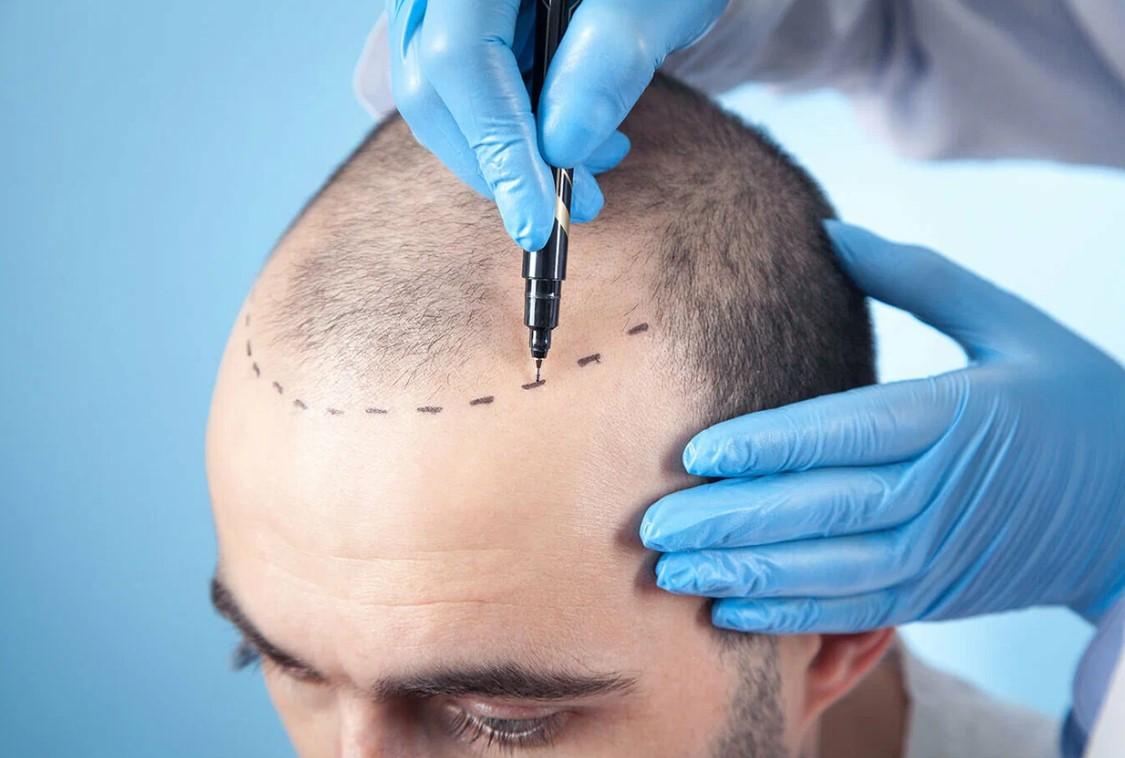
Myths and Misconceptions About Hair Transplant in Riyadh
Hair transplant procedures in Riyadh have become increasingly popular due to advancements in techniques like FUE (Follicular Unit Extraction), FUT (Follicular Unit Transplantation), and DHI (Direct Hair Implantation). Despite high success rates and improved safety standards, many myths and misconceptions still surround the procedure. Hair transplant in Riyadh is a popular option for people seeking a long-term solution to hair loss and improved confidence.
These misunderstandings often create unnecessary fear, unrealistic expectations, or hesitation among potential patients. Clearing up these myths helps individuals make informed, confident decisions based on medical facts rather than misinformation.
Myth 1: Hair Transplants Are Only for Older People
One of the most common misconceptions is that hair transplants are only suitable for older individuals.
Reality:
Hair transplants are not determined by age alone but by:
- Stability of hair loss
- Quality of donor hair
- Overall health condition
While many patients in Riyadh are in their late 20s to 40s, younger or older individuals may also qualify depending on their case. The key factor is whether hair loss has stabilized, not the patient’s age.
Myth 2: Hair Transplants Give Instant Results
Many people believe that hair transplant results appear immediately after surgery.
Reality:
Hair growth follows a natural biological cycle.
Actual timeline:
- First 2–4 weeks: shedding phase (normal)
- 3–4 months: early regrowth begins
- 6–9 months: visible improvement
- 12–18 months: final results
Clinics in Riyadh always emphasize that patience is essential, as full results take time to develop.
Myth 3: Transplanted Hair Looks Fake or Obvious
A common fear is that hair transplants result in an unnatural or “plugged” appearance.
Reality:
Modern techniques used in Riyadh focus on natural aesthetics.
Why results look natural:
- Single-hair grafts used at the hairline
- Irregular hairline design
- Proper angle and direction of implantation
- Gradual density transition
When performed by experienced surgeons, transplanted hair is virtually indistinguishable from natural hair.
Myth 4: Hair Transplant Is Extremely Painful
Many assume that hair transplant surgery is painful and difficult to tolerate.
Reality:
The procedure is performed under local anesthesia.
What patients actually feel:
- Mild pressure during anesthesia injection
- Minimal discomfort during the procedure
- Mild soreness afterward
Most patients in Riyadh report that the procedure is far more comfortable than expected, especially with modern minimally invasive methods like FUE and DHI.
Myth 5: Hair Transplants Stop Future Hair Loss Completely
Some believe that a hair transplant permanently stops hair loss.
Reality:
A transplant restores lost hair but does not stop genetic hair loss progression.
What this means:
- Transplanted hair is permanent
- Existing natural hair may continue to thin over time
- Additional treatments may be needed (medications or PRP therapy)
Clinics in Riyadh often combine transplants with medical therapy to maintain long-term results.
Myth 6: Only Men Can Get Hair Transplants
It is commonly believed that hair transplants are only for men.
Reality:
Women can also undergo successful hair transplant procedures.
Female candidates may include those with:
- Female pattern hair loss
- Thinning hair along the parting line
- Hair loss due to trauma or scarring
- Hormonal or genetic conditions
In Riyadh, more women are seeking hair restoration solutions as awareness increases.
Myth 7: Hair Transplant Leaves Large Visible Scars
Many people fear permanent scarring after surgery.
Reality:
Scarring depends on the technique used and surgeon skill.
Modern techniques:
- FUE leaves tiny dot-like scars that are barely visible
- DHI minimizes visible signs even further
- FUT may leave a thin linear scar, but it is usually hidden under hair
With proper technique, scarring is minimal and not noticeable in most cases.
Myth 8: You Need to Shave Your Entire Head
Another misconception is that full head shaving is always required.
Reality:
This depends on the technique and clinic approach.
Options in Riyadh:
- Full shaving (common for FUE procedures)
- Partial shaving (selected cases)
- No-shave or unshaven techniques (in some advanced clinics)
Not all patients are required to undergo complete head shaving.
Myth 9: Hair Transplant Results Are Not Permanent
Some believe that transplanted hair eventually falls out again.
Reality:
Transplanted hair is usually taken from genetically resistant areas (back and sides of the scalp).
What this means:
- These follicles are permanent in most cases
- They continue to grow like normal hair for life
- Proper care ensures long-lasting results
However, maintaining surrounding natural hair is still important.
Myth 10: All Clinics in Riyadh Offer the Same Results
It is often assumed that all hair transplant clinics deliver similar outcomes.
Reality:
Results vary significantly based on:
- Surgeon experience
- Technique used
- Clinic standards
- Graft handling quality
- Aftercare support
In Riyadh, reputable clinics with experienced surgeons typically achieve higher graft survival rates and more natural results.
Myth 11: Hair Transplants Are Only for Severe Baldness
Many people think the procedure is only for advanced baldness cases.
Reality:
Hair transplants can be used for:
- Early hairline recession
- Mild to moderate thinning
- Crown restoration
- Scar coverage
Early intervention, when appropriate, can often lead to better aesthetic outcomes.
Myth 12: Recovery Is Long and Difficult
There is a belief that recovery from hair transplant surgery is long and disruptive.
Reality:
Most patients resume normal daily activities within a few days.
Typical recovery experience:
- 2–3 days: mild swelling or redness
- 7–10 days: scabs fall off
- 2 weeks: visible healing complete
Full hair growth takes time, but physical recovery is relatively quick.
Myth 13: Hair Transplant Is a Guaranteed Perfect Solution
Some believe that a hair transplant guarantees perfect density and appearance.
Reality:
While results are highly effective, outcomes depend on:
- Donor hair availability
- Extent of baldness
- Healing response
- Realistic expectations
A good result is natural improvement, not complete transformation beyond biological limits.
Conclusion
Hair transplant procedures in Riyadh are highly advanced and safe, but myths and misconceptions still influence public perception. Many fears—such as pain, unnatural results, or permanent scarring—are outdated and not aligned with modern medical practices.
The reality is that today’s hair transplant techniques deliver natural-looking, long-lasting results when performed by skilled surgeons and supported by proper aftercare. However, success depends on realistic expectations, proper evaluation, and understanding that hair restoration is a gradual process.
By separating fact from fiction, patients can make informed decisions and approach hair transplant treatment in Riyadh with confidence and clarity.
 English
 Arabic
 French
 Spanish
 Portuguese
 Deutsch
 Turkish
 Dutch
Dutch
 Italiano
 Russian
 Romaian
 Portuguese (Brazil)
 Greek
Greek
 Advertise With Us
 About Us
 Terms And Conditions
 Privacy Policy
Hepsini Gör
Privacy Policy
Hepsini Gör