Mole Removal for Medical Safety Concerns
Introduction
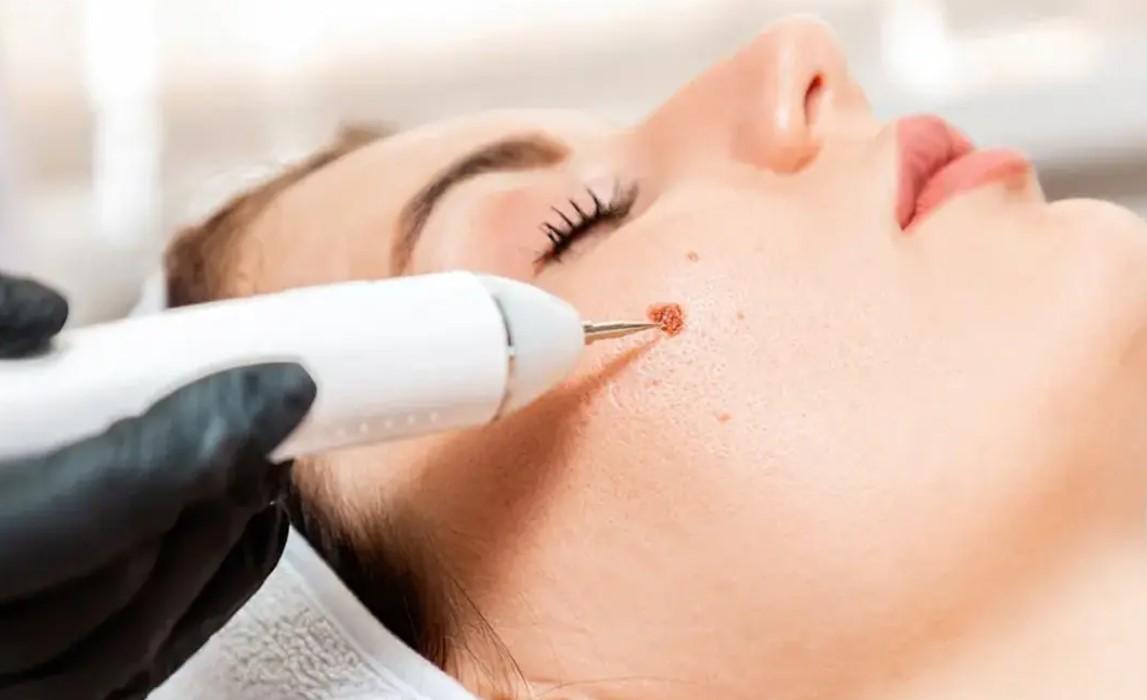
Mole removal is often associated with cosmetic improvement, but in many cases it is performed for an even more important reason: medical safety. Certain moles can show changes that suggest abnormal cell activity, requiring careful evaluation and sometimes removal to prevent serious skin conditions.
In dermatology clinics such as those in Riyadh, medical mole removal is a routine but highly important procedure focused on early detection, diagnosis, and prevention of skin cancer. Mole Removal in Riyadh is a commonly discussed procedure for both cosmetic improvement and addressing skin health concerns.
This article explains why mole removal is done for medical safety, how doctors identify risky moles, and what the procedure involves.
Why Medical Mole Removal Is Important
Medical mole removal is performed when a mole shows signs that it may not be completely benign. The goal is not cosmetic—it is to protect health.
Key reasons include:
- Suspicion of skin cancer
- Changes in mole appearance over time
- Abnormal pigmentation or structure
- Bleeding, itching, or pain
- Need for biopsy and lab testing
Early removal can be critical in detecting conditions like melanoma at an early stage when treatment is most effective.
When a Mole Becomes a Medical Concern
Dermatologists look for specific warning signs that indicate a mole may need medical removal.
1. Changes in size or shape
A mole that grows quickly or becomes irregular in shape may be suspicious.
2. Color changes
Warning signs include:
- Darkening or uneven pigmentation
- Appearance of multiple colors (black, brown, red, blue)
3. Border irregularity
Edges that are:
4. Symptoms in the mole
Medical attention is needed if a mole:
- Itches persistently
- Bleeds without injury
- Becomes painful or tender
- Develops crusting or ulceration
5. “Ugly duckling” sign
A mole that looks different from all others on the body is considered suspicious and should be checked.
Dermatologists in Riyadh use these criteria along with clinical examination tools to decide whether removal is necessary.
The Role of the ABCDE Rule
The ABCDE rule is widely used to assess whether a mole may be dangerous.
A – Asymmetry
One half does not match the other.
B – Border
Edges are irregular or blurred.
C – Color
Multiple or uneven colors are present.
D – Diameter
Larger than about 6 mm, although smaller lesions can also be risky.
E – Evolving
Any change in size, shape, or behavior over time.
If any of these signs are present, medical removal is often recommended.
How Medical Mole Removal Works
Medical mole removal is more detailed than cosmetic removal because it prioritizes diagnosis and safety.
1. Clinical examination
The dermatologist evaluates the mole using:
- Visual inspection
- Dermoscopy (magnified skin analysis)
- Medical history review
2. Decision for removal
If the mole appears suspicious, removal is recommended either:
- For biopsy (to test cells in a lab)
- For complete excision if cancer risk is high
3. Surgical removal (most common method)
Medical mole removal usually involves surgical excision.
Steps:
- Local anesthesia is applied
- Mole is cut out completely with a margin of healthy skin
- Wound is stitched closed
- Tissue is sent to a laboratory for analysis
This ensures both treatment and diagnosis.
4. Laboratory testing
The removed mole is examined under a microscope to check for:
- Benign (non-cancerous) cells
- Precancerous changes
- Skin cancer such as melanoma
This step is essential in confirming diagnosis.
Why Laser Is Not Used in Medical Mole Removal
Laser mole removal is generally avoided in medically suspicious cases because:
- It destroys tissue, making biopsy impossible
- It cannot confirm cancer diagnosis
- It may leave residual abnormal cells behind
In clinics in Riyadh, surgical excision is preferred for any mole that requires medical evaluation.
What Happens After Removal
Recovery depends on the type of procedure but typically includes:
- Mild swelling and redness
- Stitches for 7–14 days (if surgical removal used)
- Gradual healing over 2–4 weeks
- Scar maturation over several months
Follow-up appointments are often scheduled to review healing and lab results.
Benefits of Medical Mole Removal
1. Early cancer detection
The biggest benefit is identifying skin cancer early.
2. Prevention of progression
Removing abnormal tissue prevents potential spread or worsening.
3. Accurate diagnosis
Lab testing provides a definitive answer about the mole.
4. Peace of mind
Patients gain reassurance after proper evaluation.
Risks of Delaying Medical Mole Removal
Ignoring suspicious moles can lead to:
- Delayed diagnosis of skin cancer
- Growth of abnormal cells
- More complex treatment later
- Increased risk of scarring from larger procedures
Early evaluation is always safer.
Who Should Get Checked Regularly?
People at higher risk include:
- Those with many moles
- Individuals with family history of skin cancer
- People with fair skin and sun exposure history
- Anyone with changing or unusual moles
Regular skin checks in Riyadh help detect issues early.
When to See a Dermatologist Immediately
You should seek medical attention if you notice:
- Rapidly changing mole
- Bleeding or ulceration
- Dark or irregular new growth
- Persistent itching or pain
- A mole that looks different from others
Conclusion
Mole removal for medical safety is a crucial dermatological procedure aimed at early detection and prevention of serious skin conditions. Unlike cosmetic removal, it focuses on diagnosis, risk assessment, and complete removal of potentially harmful tissue.
In advanced dermatology centers such as those in Riyadh, specialists use precise diagnostic tools and surgical techniques to ensure accurate evaluation and effective treatment.
 English
 Arabic
 French
 Spanish
 Portuguese
 Deutsch
 Turkish
 Dutch
Dutch
 Italiano
 Russian
 Romaian
 Portuguese (Brazil)
 Greek
Greek
 Advertise With Us
 About Us
 Terms And Conditions
 Politique de confidentialité
Tout voir
Politique de confidentialité
Tout voir