English
 Arabic
 French
 Spanish
 Portuguese
 Deutsch
 Turkish
 Dutch
Dutch
 Italiano
 Russian
 Romaian
 Portuguese (Brazil)
 Greek
Greek
FUT Hair Transplant in Jeddah: Comprehensive Guide to Follicular Unit Transplantation
Health |
2026-08-01 11:30:36
 Advertise With Us
 About Us
 Terms And Conditions
 سياسة الخصوصية
عرض كل النتائج
سياسة الخصوصية
عرض كل النتائج

ترقية الحساب
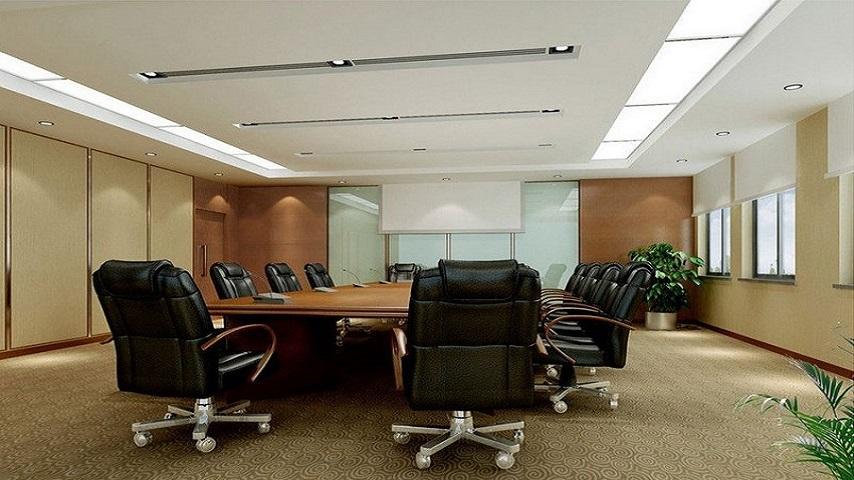
Designing a corporate office is an important investment for any business. A well-designed office environment supports productivity, improves employee satisfaction, and creates a professional impression for clients and visitors. However, many companies make critical mistakes during the office design process that can negatively impact functionality and efficiency.
Understanding these common mistakes can help organizations make better decisions when planning their workspace and ensure that their office design supports long-term business growth.
One of the biggest mistakes companies make is designing an office without considering how employees actually work. Every department has different requirements—some teams need quiet environments for focused work, while others require collaborative spaces for discussions and teamwork.
When office layouts are designed without analyzing workflow patterns, employees may experience distractions, reduced productivity, and inefficient communication. A successful corporate office design should balance collaboration areas with private workspaces.
Another common mistake is improper space planning. Some offices become overcrowded with workstations, while others waste valuable space due to poor layout decisions. Inefficient space planning can make the office feel uncomfortable and disorganized.
Companies should focus on optimizing the available area by creating clear pathways, properly spaced workstations, and designated zones for meetings, collaboration, and relaxation.
Furniture selection plays a crucial role in employee comfort and productivity. Unfortunately, some companies prioritize appearance over comfort and choose furniture that is not ergonomically designed.
Poor seating and desk arrangements can lead to discomfort, fatigue, and long-term health issues for employees. Investing in ergonomic chairs, adjustable desks, and properly designed workstations helps create a healthier and more productive work environment.
Modern offices rely heavily on technology, including computers, communication systems, and digital collaboration tools. Designing an office without planning for proper technology integration can lead to cluttered cables, insufficient power outlets, and inefficient workstations.
A well-designed corporate office should include proper cable management systems, charging stations, and layouts that support seamless technology usage.
Businesses evolve over time, and office designs should be flexible enough to adapt to future changes. Some companies design their offices only for current needs without considering potential expansion.
Using modular furniture, flexible workstations, and adaptable layouts can help organizations easily accommodate team growth or changes in work style without needing a complete redesign.
Corporate office design requires careful planning and a clear understanding of business needs, employee comfort, and future expansion. By avoiding common mistakes such as poor space planning, ignoring employee workflow, neglecting ergonomics, overlooking technology integration, and failing to plan for growth, companies can create office environments that enhance productivity and professionalism. A thoughtfully designed office not only improves daily operations but also strengthens the organization’s overall workplace culture.
How Turnkey Project Management Saves Time and Reduces Costs
Corporate Office Fit out Guide: From Concept to Completion