English
 Arabic
 French
 Spanish
 Portuguese
 Deutsch
 Turkish
 Dutch
Dutch
 Italiano
 Russian
 Romaian
 Portuguese (Brazil)
 Greek
Greek
Microservices Architecture Market Analysis Reveals Strong Enterprise Digital Shift
Networking |
2026-06-08 08:42:28
 Advertise With Us
 About Us
 Terms And Conditions
 Politique de confidentialité
Tout voir
Politique de confidentialité
Tout voir

Mise à niveau vers Pro
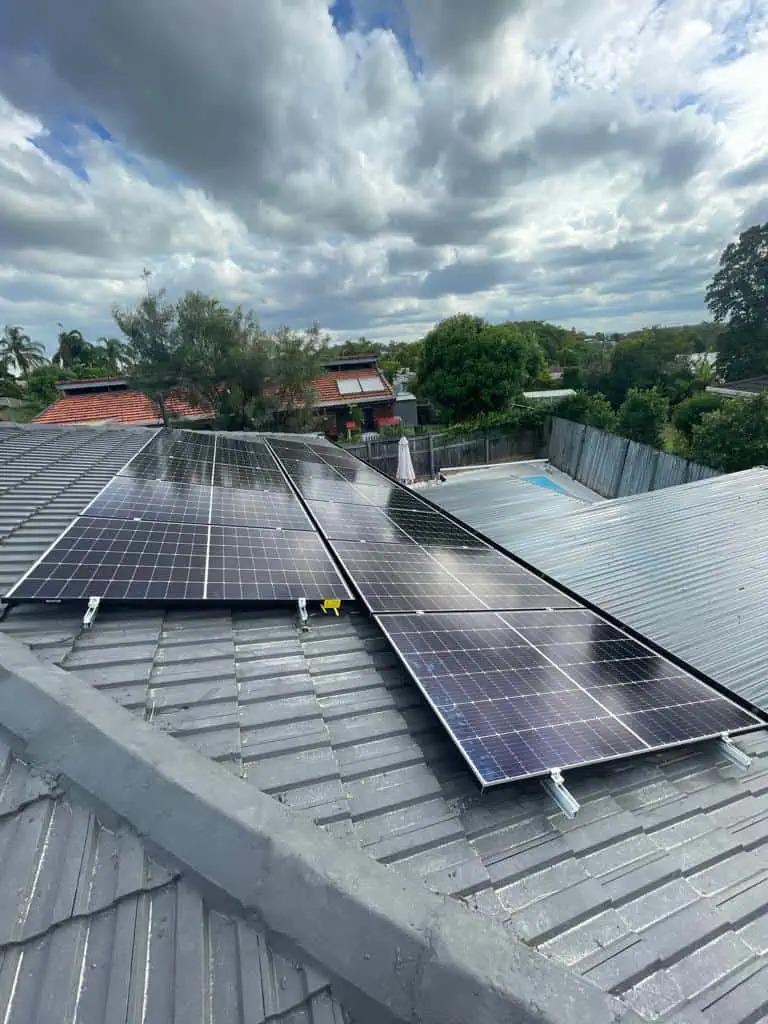
For years, solar energy was seen as a solution mainly for independent houses with private rooftops. But with rapid urbanization and apartment living becoming the norm, a common question arises: Can apartment residents also benefit from solar energy?
The answer is yes. Thanks to innovative approaches like rooftop sharing, group solar systems, and community models, residential solar installation is now accessible even for apartment dwellers.
Let’s explore the practical options available and how apartment residents can take advantage of solar power.
The Challenge of Solar in Apartments
Unlike independent homes, apartments face certain limitations:
However, these challenges have led to creative solar solutions tailored specifically for apartment living.
What Is Rooftop Sharing?
Rooftop sharing is a model where the common terrace of an apartment building is used to install a solar system that benefits multiple residents.
How It Works:
This approach maximizes unused rooftop space and makes solar viable in urban settings.
Option 1: Common Area Solar System
One of the simplest ways to adopt solar in apartments is by powering common facilities.
Applications:
Benefits:
This is often the first step societies take toward solar adoption.
Option 2: Individual Allocation Model
In this model, the rooftop is divided among interested residents.
How It Works:
Advantages:
This model works well in smaller apartment complexes with cooperative residents.
Option 3: Group Net Metering
Group net metering allows multiple residents to share a single solar system and distribute the generated electricity across multiple meters.
Key Features:
Benefits:
This option is gaining popularity in many urban areas.
Option 4: Virtual Net Metering (Where Available)
Virtual net metering allows residents to benefit from a solar system installed at a different location.
How It Works:
Ideal For:
This is a flexible solution, though availability depends on local regulations.
Key Factors to Consider Before Installation
Before opting for any solar solution, apartment residents should evaluate:
1. Society Approval
Most solar installations require permission from the housing society or association.
2. Rooftop Space Availability
Assess how much usable space is available and how it can be distributed.
3. Legal and Policy Framework
Check local regulations regarding:
4. Load Requirements
Understand the energy needs of:
5. Installer Expertise
Choose professionals experienced in apartment solar projects to ensure smooth execution.
Benefits of Solar for Apartment Residents
Even in shared living environments, solar offers significant advantages:
Reduced Electricity Costs
Residents can lower their monthly bills or maintenance charges.
Better Utilization of Idle Rooftop Space
Unused terrace areas become productive energy assets.
Environmentally Friendly Living
Contributes to reduced carbon emissions in urban areas.
Increased Property Value
Solar-enabled apartments are more attractive to buyers and tenants.
Energy Independence
Reduces reliance on grid electricity, especially during peak usage.
Common Challenges and Solutions
Challenge: Limited Space
Solution: Use high-efficiency panels and shared systems
Challenge: Resident Coordination
Solution: Clear agreements and transparent communication
Challenge: Initial Investment
Solution: Cost-sharing models or financing options
Challenge: Policy Awareness
Solution: Work with knowledgeable solar installers
Is Solar Worth It for Apartment Residents?
Absolutely. While the approach may differ from independent homes, apartment residents can still enjoy:
The key is choosing the right model based on your building structure and resident cooperation.
Final Thoughts
Rooftop sharing and innovative solar models have made it possible for apartment residents to participate in the solar revolution. With the right planning, coordination, and execution, even shared spaces can generate powerful energy solutions.
Cheap Solar vs Premium Solar: Inverter Quality, Panel Efficiency, and Durability
Why Hiring a Reliable Solar Installer Is Important for Off-Grid Solar Systems