English
 Arabic
 French
 Spanish
 Portuguese
 Deutsch
 Turkish
 Dutch
Dutch
 Italiano
 Russian
 Romaian
 Portuguese (Brazil)
 Greek
Greek
Why Choose an SEO Outsourcing Company in India for Business Growth?
Other |
2026-06-25 06:17:25
 Advertise With Us
 About Us
 Terms And Conditions
 Datenschutzbestimmungen
Alle anzeigen
Datenschutzbestimmungen
Alle anzeigen

Upgrade auf Pro
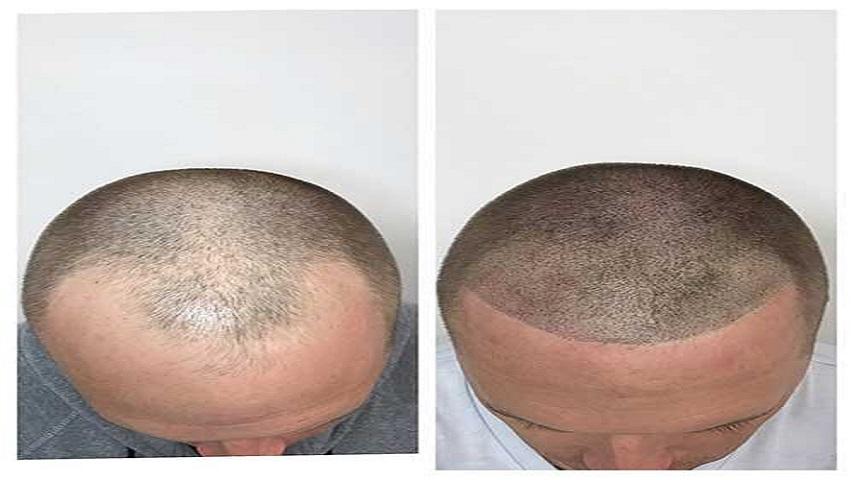
Healthy hair begins with a healthy scalp. While many people focus on external hair care products, the real foundation of strong, thick, and resilient hair lies beneath the surface. Poor scalp health can lead to issues such as hair fall, thinning, dandruff, and even long-term conditions like Alopecia.
Understanding how to care for your scalp properly can help prevent these problems and support long-term hair health. In this blog, we will explore expert-backed tips that can improve scalp condition and reduce the risk of hair-related issues.
Why Scalp Health Is Important
The scalp contains hair follicles responsible for producing and growing hair. When the scalp is healthy:
However, when the scalp is unhealthy, it can lead to:
Taking care of your scalp is essential for maintaining overall hair quality.
Expert Tips to Improve Scalp Health
1. Keep Your Scalp Clean and Balanced
Maintaining proper scalp hygiene is one of the most important steps. Dirt, oil, sweat, and product buildup can clog hair follicles and affect hair growth.
To maintain balance:
A clean scalp provides the ideal environment for healthy hair growth.
2. Choose the Right Hair Products
Not all hair products suit every scalp type. Using unsuitable products can lead to irritation, dryness, or excess oil production.
Select products that:
Proper product selection helps maintain scalp health and prevents damage.
3. Address Dandruff and Scalp Conditions Early
Conditions like Dandruff can weaken hair roots if ignored. Persistent itching, flaking, or irritation should not be overlooked.
Early treatment helps:
Ignoring scalp issues can lead to more serious problems over time.
4. Avoid Excessive Heat and Chemical Treatments
Frequent use of heat styling tools and chemical treatments can damage both the scalp and hair.
These practices can:
Limiting exposure and using protective measures can help maintain scalp integrity.
5. Maintain Proper Scalp Hydration
A dry scalp can lead to itching, flaking, and irritation, while an overly oily scalp can clog follicles. Maintaining the right balance is essential.
You can:
Balanced hydration supports a healthy scalp environment.
6. Improve Blood Circulation
Good blood circulation ensures that hair follicles receive enough nutrients and oxygen.
Simple ways to improve circulation include:
Improved circulation supports stronger and healthier hair growth.
7. Follow a Nutrient-Rich Diet
Scalp health is closely linked to nutrition. A lack of essential nutrients can weaken hair follicles and affect hair growth.
Include:
A balanced diet supports both scalp and hair health from within.
8. Manage Stress Effectively
Stress is a major contributor to hair fall and scalp issues. Conditions like telogen effluvium can be triggered by prolonged stress.
Managing stress through:
can help maintain a healthy scalp and reduce hair fall.
9. Avoid Tight Hairstyles
Constant tension on hair roots can damage the scalp and lead to conditions like Traction Alopecia.
To prevent this:
Reducing tension helps protect hair follicles.
10. Seek Professional Advice When Needed
If you notice persistent scalp issues such as:
consulting a specialist is essential.
Professional guidance can:
Early intervention leads to better results.
Common Mistakes to Avoid
Even with good intentions, certain habits can harm scalp health:
Avoiding these mistakes is just as important as following the right practices.
Long-Term Benefits of Healthy Scalp Care
Consistent scalp care offers several long-term benefits:
Healthy scalp habits lead to sustainable hair health over time.
Final Thoughts
Improving scalp health is not a one-time effort but a continuous process. By following expert tips and maintaining a consistent routine, you can prevent many common hair issues and support long-term hair growth.
A healthy scalp creates the perfect environment for strong, resilient hair. Paying attention to your scalp today can help you avoid serious hair problems in the future.
Why Oxygen & Hydration Are Key to Hair Growth in Modern Medical Hair Spa Treatments