English
 Arabic
 French
 Spanish
 Portuguese
 Deutsch
 Turkish
 Dutch
Dutch
 Italiano
 Russian
 Romaian
 Portuguese (Brazil)
 Greek
Greek
(Unlocking the World of) The Adventures of Amina al-Sirafi by Shannon Chakraborty
Dance |
2026-06-22 01:19:28
 Advertise With Us
 About Us
 Terms And Conditions
 سياسة الخصوصية
عرض كل النتائج
سياسة الخصوصية
عرض كل النتائج

ترقية الحساب
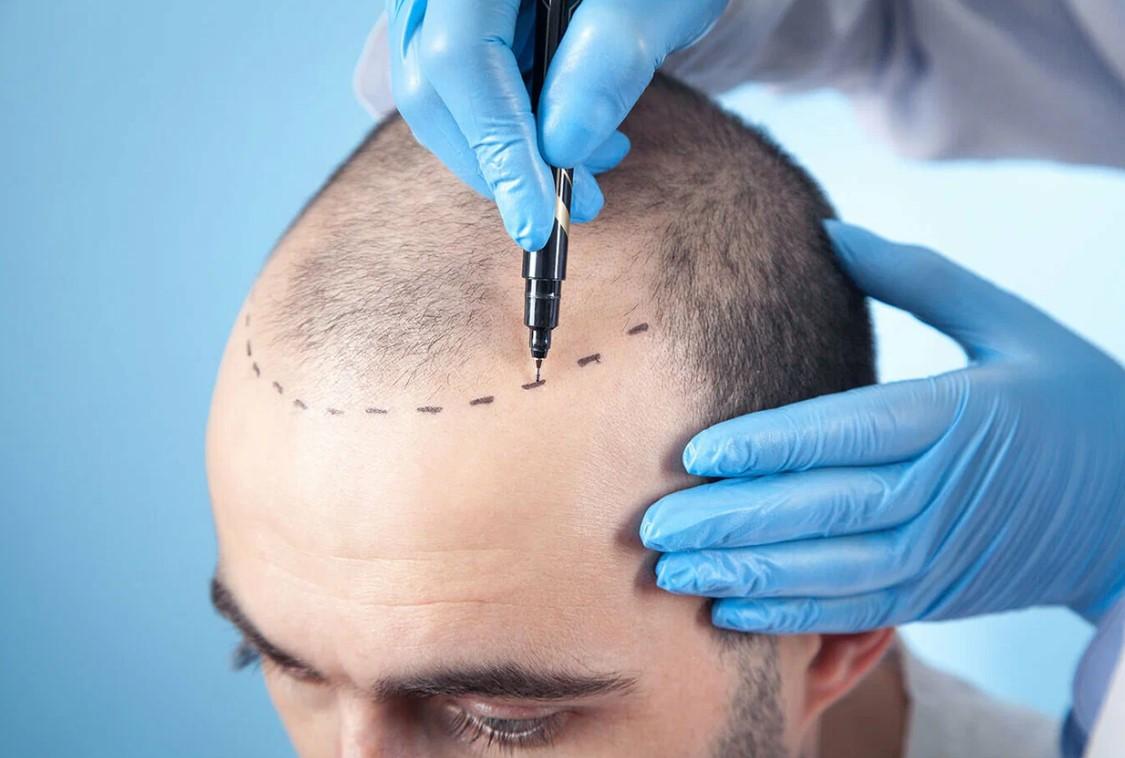
Crown baldness is one of the most common and noticeable forms of hair loss, especially in men. It typically begins as a small thinning spot at the top back of the scalp and gradually expands over time. Because the crown area has a unique circular growth pattern, it can be more challenging to restore compared to the frontal hairline. Hair transplant in Dammam is a popular hair restoration solution for individuals seeking natural-looking results and long-term improvement in hair density.
If you are considering a hair transplant in Dammam, understanding how crown restoration works, what results to expect, and the factors that influence success is essential. This guide explains everything in a clear and realistic way.
The crown, also known as the vertex area, is located at the top back of the scalp. Hair in this region grows in a spiral or whorl pattern, which makes restoration more complex than other areas.
Crown baldness usually appears in stages:
Because this area is less visible from the front, many people delay treatment until hair loss becomes more advanced.
Restoring hair in the crown requires careful planning due to several anatomical and aesthetic factors.
Hair naturally grows in a spiral direction, so transplanted grafts must be carefully aligned to match this pattern.
Even small bald spots in the crown can require a high number of grafts due to the wide area.
The crown is often one of the last areas affected by genetic hair loss, meaning surrounding hair may continue to thin over time.
Compared to the hairline, the crown is less visible, so surgeons often prioritize frontal restoration first in limited graft cases.
Hair transplant surgery restores crown baldness by moving healthy follicles from the donor area (usually the back and sides of the scalp) into the thinning crown region.
The most commonly used techniques include:
Individual follicles are extracted and implanted into the crown area for natural coverage.
Allows precise control over angle, direction, and density, which is especially important for the crown’s spiral pattern.
May be used in cases requiring a large number of grafts in a single session.
Each technique aims to recreate natural density while matching the crown’s unique hair flow.
The number of grafts depends on the size of the bald area and desired density.
In some cases, full crown coverage may require multiple sessions, especially if donor hair is limited.
Managing expectations is very important when treating crown baldness.
The goal is often to create the appearance of fullness, not to fully replicate original childhood density.
Hair growth in the crown area may appear slower compared to the front due to blood supply and hair direction.
The crown often takes slightly longer to show full density compared to other scalp areas.
Several factors influence how successful crown restoration will be.
Proper angle and direction are critical in the crown due to its spiral pattern.
Thicker and denser donor hair leads to better coverage.
Larger areas require more grafts and may limit full coverage.
If hair loss continues, surrounding areas may thin over time.
DHI often provides more precise placement in the crown area.
Crown restoration comes with unique challenges compared to other scalp areas.
The crown often needs more grafts to achieve visible density.
Incorrect placement can result in unnatural-looking hair direction.
Patients may feel progress is slower due to the area’s structure.
Some patients may require a second session for optimal density.
In many cases, surgeons recommend prioritizing the hairline before the crown.
This approach ensures:
Crown restoration may be performed in the same session or as a second stage, depending on graft availability.
In addition to transplantation, non-surgical treatments can improve results and slow further loss.
These treatments help maintain both transplanted and existing hair.
In most cases, the goal is natural coverage, not extremely dense restoration.
The crown has a different blood flow pattern and hair cycle, which can slow visible growth.
Some patients with advanced baldness may require multiple sessions for optimal density.
To improve outcomes, patients should:
Consistency in care significantly impacts final results.
Hair transplants for crown baldness can deliver highly effective and natural-looking improvements, but they require realistic expectations and careful planning. Because of the crown’s unique structure and large surface area, results often focus on creating visual density rather than full restoration.