English
 Arabic
 French
 Spanish
 Portuguese
 Deutsch
 Turkish
 Dutch
Dutch
 Italiano
 Russian
 Romaian
 Portuguese (Brazil)
 Greek
Greek
BIS License in India: A Comprehensive Guide for Businesses
Literature |
2026-07-30 07:15:48
 Advertise With Us
 About Us
 Terms And Conditions
 Datenschutzbestimmungen
Alle anzeigen
Datenschutzbestimmungen
Alle anzeigen

Upgrade auf Pro
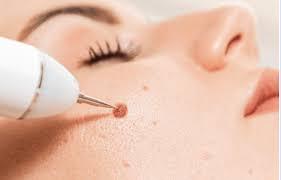
The procedure itself is only the first step in achieving your goal of clear, smooth skin. The way you treat the site during the following two to four weeks will dictate the final aesthetic outcome. Mole removal in Dubai requires a post-procedure skincare routine that prioritizes moisture, protection, and patience. By following a structured plan, you provide your skin with the ideal environment to remodel, fade, and blend seamlessly with your natural complexion.
During the healing phase, simplicity is your best friend. Your skin needs products that support the barrier without causing irritation.
Medical-Grade Barrier Ointments: We recommend using petroleum-based ointments or targeted silicone gels to keep the healing site hydrated. Keeping the wound "moist" prevents the formation of thick, hard scabs and promotes faster, cleaner skin regeneration.
Gentle Cleansers: Switch to a fragrance-free, soap-free cleanser. You want to keep the area clean without stripping away the natural oils that are vital for the healing process.
Mineral Sunscreen: Once the wound has closed and the scab has fallen off, introduce a mineral-based sunscreen (SPF 50+). Look for ingredients like zinc oxide or titanium dioxide, which are physical blockers that provide superior protection for sensitive, new skin.
It is just as important to know what not to put on your healing skin.
Active Ingredients: Avoid any products containing retinol, AHAs (glycolic/lactic acid), BHAs (salicylic acid), or high concentrations of Vitamin C. These are excellent for maintenance but can cause severe inflammation and hyperpigmentation on healing skin.
Fragrances and Harsh Alcohol: Avoid toners or aftershaves containing alcohol, as these will sting and dry out the wound, slowing down the repair process.
Mechanical Exfoliants: Do not use scrubs, loofahs, or cleansing brushes on the treated area until it is fully healed and you have been given the "all clear" by your dermatologist.
In Dubai, the sun is the primary enemy of a perfect healing result. New skin is hypersensitive to melanin production; if it is exposed to UV light, it will almost certainly darken, leaving you with a pigmented spot that can take months to fade.
The "Rule of Months": Commit to daily sunscreen use for at least 3 to 6 months post-procedure.
Application: Apply your sunscreen to the area every single day, even if you are mostly indoors or the weather seems cloudy. In Dubai’s climate, the UV index is significant even on hazy days.
At Tajmeels Clinic, we believe the aftercare process is just as important as the procedure itself. We don’t just send you home with a vague recommendation; we provide a clear, easy-to-follow skincare plan tailored to your skin type and the removal method used. Our goal is to ensure you feel empowered and informed, giving you the tools to care for your skin at home so that the final result is the smooth, clear, and confident complexion you were aiming for.
For the first two weeks, the routine is focused on protection and healing. After that, the priority shifts to long-term care, primarily sun protection, which should be maintained for several months.
As long as your regular moisturizer is gentle, fragrance-free, and doesn't contain active ingredients like retinoids or acids, it is generally fine to apply it around the area. Avoid putting it directly on the healing site until the wound is fully closed.
A little bit of itching is a normal sign of healing. Do not scratch it! Apply a thin layer of your barrier ointment; this will soothe the sensation and provide the protection the skin needs. If the itching becomes intense, red, or starts to swell, contact us immediately.
For the first few days, a light, sterile dressing is often recommended to protect the site from dust and friction. After that, it is usually better to let the area "breathe" unless you are in a situation where the site could be bumped or irritated.
You are fully healed when the site is smooth, the color has begun to blend with the surrounding skin, and it no longer feels sensitive to the touch. This usually happens within 4 to 8 weeks, depending on the size of the mole and your body's natural healing rate.