English
 Arabic
 French
 Spanish
 Portuguese
 Deutsch
 Turkish
 Dutch
Dutch
 Italiano
 Russian
 Romaian
 Portuguese (Brazil)
 Greek
Greek
What Are Medical Coding Services?
Other |
2026-05-11 15:14:58
 Advertise With Us
 About Us
 Terms And Conditions
 سياسة الخصوصية
عرض كل النتائج
سياسة الخصوصية
عرض كل النتائج

ترقية الحساب
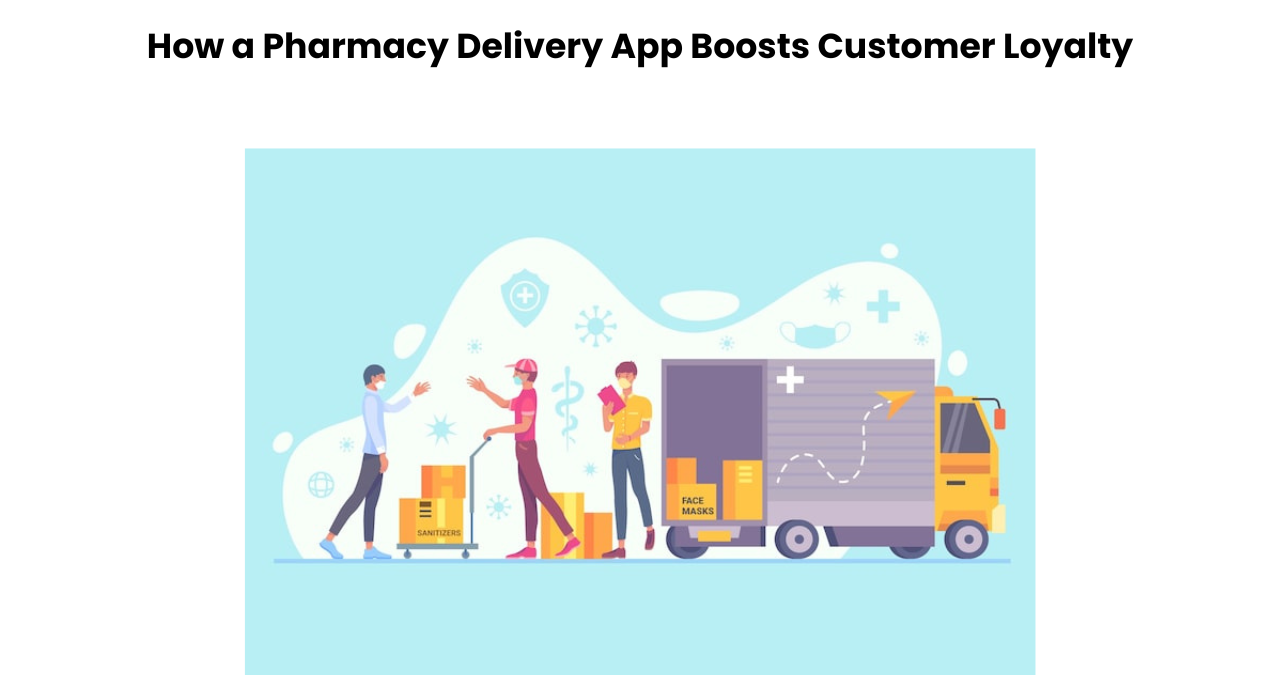
Customer loyalty is becoming increasingly important for businesses operating in the digital healthcare market. Customers have numerous options for purchasing healthcare products, which means businesses must provide more than basic product availability to encourage repeat usage. Convenience, reliable service, easy communication, transparent order management, and personalized experiences can all influence whether a customer chooses the same platform again.
A strategically developed pharmacy delivery app can help businesses create a consistent digital experience throughout the customer journey. From discovering eligible products to completing an order and receiving delivery updates, the application can reduce friction at multiple stages. When these interactions are designed around customer needs, businesses can create stronger relationships and increase the likelihood of repeat transactions.
Customer loyalty should not be viewed as a result of discounts alone. A dependable digital platform can create loyalty by saving customers time, providing transparency, simplifying repeat purchases, and responding quickly when issues occur.
Acquiring a new customer often requires marketing, advertising, onboarding, and promotional investment. A returning customer is already familiar with the platform and may require less effort to convert.
A loyal customer can contribute through:
Repeat orders
Higher purchasing frequency
Referrals
Positive reviews
Increased lifetime value
Greater brand recognition
For this reason, businesses should design their digital experience around both acquisition and retention.
When two platforms provide similar products, customers may choose the one that offers a smoother experience. Simple navigation, reliable fulfillment, and helpful communication can become powerful differentiators.
One of the strongest loyalty drivers is convenience.
A well-designed platform can remember appropriate customer preferences, saved addresses, previous orders, and other non-sensitive settings. This means returning customers do not necessarily have to start the ordering process from scratch.
A reorder option can allow customers to review previous eligible purchases and initiate another order conveniently.
Instead of searching through a large catalog, customers can access relevant order history and continue with the purchasing process.
This small improvement can make a significant difference for customers who regularly use the platform.
Trust is particularly important in healthcare-related commerce.
Customers want confidence that their orders will be processed accurately, their information will be protected, and delivery information will remain transparent.
Businesses can provide:
Clear product information
Order confirmation
Delivery status
Appropriate prescription workflows
Transparent payment information
Accessible customer support
A platform that communicates clearly can reduce uncertainty and encourage customers to return.
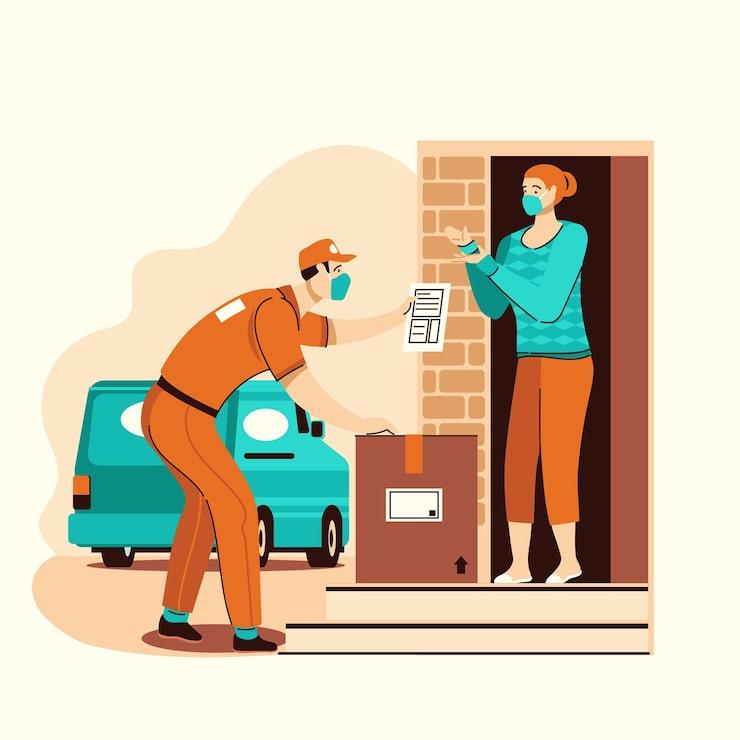
Delivery is one of the most visible parts of the customer experience.
Customers may become frustrated when they do not know whether an order has been accepted, prepared, dispatched, or delivered.
A digital platform can display stages such as:
Order Placed → Confirmed → Being Prepared → Assigned for Delivery → Out for Delivery → Delivered
Where supported, location-based tracking can provide additional visibility.
Customers do not have to repeatedly contact support to ask where their order is. Better visibility creates a sense of control and can improve confidence in the service.
Even the best platform can experience occasional order issues. The way a business handles those situations can strongly influence loyalty.
Customers should have convenient ways to find answers or contact support regarding appropriate order-related concerns.
Useful options can include:
FAQs
Help center
Support tickets
Order-related assistance
In-app communication
If an issue occurs, customers are more likely to remain loyal when they receive a timely and clear response.
A good support system should focus not only on answering questions but also on resolving problems efficiently.
Loyalty programs can encourage repeat activity, but they should be designed carefully.
Depending on applicable regulations and the business model, businesses can consider:
Membership benefits
Eligible discounts
Reward points
Referral incentives
Delivery benefits
The objective should be to reward continued use without making the system complicated.
Constant discounts can reduce profitability and train customers to wait for promotions. Instead, businesses should combine rewards with convenience, reliable delivery, and quality service.
Personalization can make an application feel more relevant to individual customers.
A pharmacy delivery app can use appropriate behavioral data to improve product discovery, reorder experiences, and communication.
Businesses can highlight products or categories based on legitimate browsing and purchasing activity.
Notifications can be tailored around order status, account activity, available services, and other relevant information.
Personalization must respect privacy requirements and should not make unsupported assumptions about a customer's health or medical condition.
Customers expect an application to provide accurate information about product availability.
If customers repeatedly place orders only to discover that products are unavailable, their confidence in the platform can decline.
Inventory systems can help businesses maintain better visibility into:
Available stock
Low-stock products
Store-level inventory
Product status
Fulfillment availability
Accurate availability can reduce cancellations and create a more dependable purchasing experience.
For products requiring prescriptions, the ordering process should be as clear as possible.
Where legally permitted, customers can submit required prescriptions through the application.
The platform can show relevant verification statuses and communicate when additional information is required.
Clear instructions can help customers understand what documents are needed and what happens after submission.
Businesses must ensure that these workflows comply with the laws, regulations, and professional requirements applicable to their market.
Read more :- Walgreens Clone App: Pharmacy Delivery App Development 2026
Loyalty improves when customers feel that their experiences matter.
Businesses can use:
Ratings
Reviews
Surveys
Support interactions
Feedback forms
to identify recurring problems.
If customers consistently report difficulties with checkout, delivery, navigation, or support, businesses can prioritize those areas.
This creates a continuous improvement cycle:
Feedback → Analysis → Improvement → Better Experience → Higher Retention
Customer loyalty should be measured rather than assumed.
Businesses can monitor:
Repeat purchase rate
Customer retention rate
Order frequency
Average order value
Customer lifetime value
Cancellation rate
Churn rate
Support requests
These metrics can reveal whether customers are returning because they genuinely value the platform.
Analytics can also show where customers stop using the platform. For example, high abandonment during checkout may indicate that the payment process needs improvement.
Technology can support loyalty, but operational performance ultimately determines whether customers remain satisfied.
A pharmacy delivery app should connect customer-facing functionality with backend operations.
Businesses can coordinate:
Order processing
Seller fulfillment
Delivery assignment
Address management
Status updates
Completion confirmation
Efficient workflows reduce errors and help provide consistent service.
Customers may forgive an occasional problem, but repeated delays, incorrect orders, or poor communication can quickly damage loyalty.
Automation can help businesses provide faster service while reducing repetitive administrative work.
Customers can automatically receive relevant updates about their orders.
AI can support common platform-related questions, search functionality, and selected administrative tasks.
Machine learning can analyze historical activity to help businesses understand potential demand patterns.
Automation should complement human support and qualified healthcare professionals rather than replace appropriate professional decision-making.
A pharmacy delivery app can play an important role in building customer loyalty by creating a convenient, transparent, and dependable digital experience. Features such as quick reordering, delivery tracking, personalized communication, digital prescription workflows, accurate inventory, loyalty programs, customer support, and feedback systems can encourage customers to return.
However, technology should be supported by strong operational performance. Customers are more likely to remain loyal when orders are accurate, deliveries are dependable, information is transparent, and support teams respond effectively. Businesses should therefore combine application functionality with efficient fulfillment and customer-focused service.
For entrepreneurs planning to establish or improve their digital healthcare business, working with an experienced clone app development company can provide access to a customizable technology foundation. By combining thoughtful product design, responsible personalization, reliable operations, and continuous optimization, businesses can turn their application into more than an ordering channel—it can become a long-term customer relationship platform.
It can improve loyalty by making ordering convenient, offering quick reordering, providing delivery transparency, supporting customer communication, maintaining accurate availability, and creating useful loyalty benefits.
There is no single feature that guarantees retention. A combination of simple ordering, reliable delivery, accurate inventory, quick reordering, secure payments, and responsive support creates a stronger overall experience.
Yes. Appropriate rewards, membership benefits, referral incentives, and eligible discounts can encourage repeat usage when they provide genuine value to customers.
Businesses can monitor repeat purchase rates, retention, order frequency, customer lifetime value, churn, cancellations, reviews, and support interactions.
Yes. Appropriate personalization can improve product discovery, reorder experiences, and communication. However, businesses should protect customer privacy and avoid making unsupported medical assumptions.