English
 Arabic
 French
 Spanish
 Portuguese
 Deutsch
 Turkish
 Dutch
Dutch
 Italiano
 Russian
 Romaian
 Portuguese (Brazil)
 Greek
Greek
(A Story by) The Bet: A Fake Dating College Hockey Romance: Ocean Cove University #1 by Kelcie James
Dance |
2026-06-19 07:51:14
 Advertise With Us
 About Us
 Terms And Conditions
 Privacy Policy
Mostra tutti i risultati
Privacy Policy
Mostra tutti i risultati

Passa a Pro
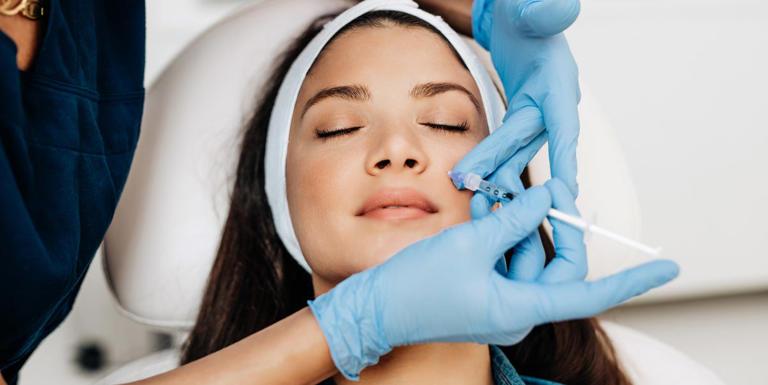
Botox in Jeddah is a popular non-surgical cosmetic option for people who want to reduce the appearance of certain facial expression lines. Over time, repeated facial movements can create wrinkles that become increasingly noticeable. Although these changes are a normal part of aging, some individuals prefer to soften them and achieve a smoother, more refreshed appearance.
Botox works by temporarily reducing the activity of selected facial muscles. Since many expression lines develop because the skin repeatedly folds as muscles contract, reducing this movement can make some wrinkles appear less prominent. The treatment does not involve surgical incisions and is generally considered a minimally invasive procedure.
However, Botox should be approached with realistic expectations. It is not a permanent wrinkle treatment, and it does not address every type of facial aging. Individual facial anatomy, muscle strength, skin condition, medical history, and aesthetic goals all influence whether Botox is appropriate.
Botox contains botulinum toxin and is administered in controlled amounts through injections.
When Botox is injected into a targeted muscle, it temporarily interferes with the nerve signals that cause that muscle to contract. As the muscle becomes less active, repeated skin movement may decrease.
This can help soften certain dynamic wrinkles.
The effect is temporary. Normal nerve-muscle communication gradually returns, allowing muscle activity to increase again.
Because Botox affects muscle function, proper injection technique and detailed knowledge of facial anatomy are important.
Facial expressions are part of everyday life.
People naturally smile, laugh, frown, squint, and raise their eyebrows throughout the day. These movements require facial muscles to contract repeatedly.
When skin is young, it generally has greater elasticity and can recover efficiently after movement.
With natural aging, changes in skin structure and elasticity can make expression lines more noticeable.
Sun exposure and other environmental and lifestyle factors can also affect the appearance of the skin.
Botox focuses primarily on muscle movement and therefore does not address every factor involved in facial aging.
Dynamic wrinkles are closely connected to facial muscle movement.
For example, horizontal forehead lines may become visible when raising the eyebrows. Frown lines may appear between the eyebrows during concentration or frowning. Crow's feet can become more noticeable when smiling or squinting.
Because Botox temporarily reduces muscle activity, it may be useful for selected dynamic wrinkles.
However, not every facial line is primarily caused by muscle contraction.
A professional assessment can help identify the underlying cause of the concern.
Forehead lines are horizontal wrinkles that often develop because of repeated eyebrow movement.
Botox may temporarily reduce activity in the muscles responsible for raising the eyebrows.
This can soften the appearance of horizontal lines.
The forehead requires careful treatment because its muscles also influence eyebrow position and facial expression.
An individualized approach is therefore important for maintaining facial balance.
Frown lines are vertical lines between the eyebrows.
They can become more prominent during frowning or concentration.
Some individuals feel that these lines make them appear tired, stressed, or serious.
Botox may temporarily reduce the muscle activity contributing to these lines.
The treatment plan should be customized because facial muscles vary in strength and position.
Crow's feet are fine lines located around the outer corners of the eyes.
They are commonly associated with smiling and squinting.
Botox may soften their appearance by temporarily reducing the activity of the muscles involved in these expressions.
The skin around the eyes is delicate, making professional assessment particularly important.
Lines caused by skin texture, elasticity, or environmental exposure may not respond to Botox to the same extent.
There is no single Botox approach that works identically for every person.
Facial muscles differ in size, strength, position, and movement.
Eyebrow shape and facial proportions also vary.
During an assessment, a qualified healthcare professional can observe the face both at rest and while making expressions.
This helps identify the muscles responsible for particular movements and supports individualized treatment planning.
A consultation should be completed before treatment.
During the consultation, patients can explain their concerns and discuss the type of result they want.
The healthcare professional may ask the patient to smile, frown, squint, raise the eyebrows, and relax the face.
Medical history should also be reviewed.
Patients should disclose:
Current medications.
Supplements.
Allergies.
Previous Botox treatments.
Previous injectable procedures.
Relevant medical conditions.
Pregnancy or breastfeeding.
Previous reactions to cosmetic treatments.
Providing complete information helps support appropriate treatment decisions.
After the assessment, the healthcare professional can develop an individualized treatment plan.
Several factors may be considered, including:
Location and depth of wrinkles.
Muscle strength.
Facial symmetry.
Existing skin changes.
Desired degree of wrinkle reduction.
Desired level of facial movement.
Some people prefer very subtle improvement, while others may want a more noticeable smoothing effect.
The treatment approach should reflect individual goals while maintaining appropriate facial movement.
Once the treatment plan is established, the selected areas are prepared.
A fine needle is used to inject small amounts of Botox into specific muscles.
The number and location of injections vary according to the treatment area and facial anatomy.
Because Botox is administered through injections, no surgical incision is required.
Some individuals experience brief discomfort during treatment.
Temporary redness, swelling, tenderness, or bruising may occur at injection sites.
Botox generally involves limited downtime.
The targeted muscles gradually become less active following treatment.
The cosmetic effect develops progressively rather than appearing immediately.
Patients should follow their healthcare professional's aftercare instructions.
These instructions may include guidance regarding exercise, skincare, makeup, or pressure around treated areas.
If unusual or concerning symptoms occur, medical advice should be obtained.
The timing of visible results varies among individuals.
As the targeted muscles gradually become less active, dynamic wrinkles may begin to appear softer.
The full cosmetic effect takes time to develop.
Factors such as muscle strength, treatment area, dosage, metabolism, and individual response can influence the timeline.
Patients should allow sufficient time before evaluating their final result.
Botox is temporary.
Over time, normal communication between nerves and muscles gradually returns.
The treated muscles regain activity, and expression lines may slowly become visible again.
The duration varies from person to person.
Factors such as muscle activity, metabolism, treatment area, dosage, and individual response can affect how long the cosmetic effect remains noticeable.
Patients considering future treatments should discuss timing with their healthcare professional.
Many individuals want to soften wrinkles without losing their natural facial expressions.
A natural-looking result may involve reducing excessive muscle activity while preserving appropriate movement.
Patients should clearly communicate their preferences during consultation.
The healthcare professional can consider these preferences when designing the treatment plan.
Facial balance should also be considered when several areas are treated.
Before treatment, patients should provide accurate medical information.
Medications, supplements, allergies, previous cosmetic procedures, and relevant medical conditions should be discussed.
Pregnancy and breastfeeding should also be disclosed.
Patients should follow any specific preparation instructions provided by their healthcare professional.
Prescribed medication should not be stopped without medical advice.
Understanding the temporary nature of Botox is also an important part of preparation.
Safety should be a major priority when considering Botox in Jeddah.
The treatment should be administered by a properly qualified healthcare professional with knowledge of facial anatomy and injection techniques.
The procedure should be performed in an appropriate clinical environment.
Patients should have an opportunity to discuss the treatment, product, potential side effects, expected results, and aftercare.
Selecting treatment based only on price may overlook important safety considerations.
Botox does not replace a good skincare routine.
Sun protection can help protect the skin from ultraviolet exposure that contributes to premature aging.
A suitable skincare routine can support hydration and overall skin quality.
Healthy lifestyle habits can also contribute to maintaining healthy-looking skin.
Botox and skincare address different aspects of facial appearance and can therefore serve complementary roles.
Botox has specific applications.
It primarily targets muscle activity associated with dynamic wrinkles.
It does not permanently remove wrinkles or stop the natural aging process.
Significant skin laxity, volume loss, pigmentation, and some static wrinkles may require different approaches.
A professional assessment can help determine the cause of a particular facial concern.
Realistic expectations are essential.
Botox can soften selected dynamic wrinkles, but complete elimination of every line is not guaranteed.
Some static wrinkles may remain visible after treatment.
Results vary from one person to another.
The aim should generally be balanced improvement rather than perfection.
Understanding this before treatment can help individuals evaluate their results more realistically.
Because Botox gradually wears off, individuals who are satisfied with the results may consider additional treatments.
There is no universal schedule for repeat sessions.
Future treatment should be based on individual response and professional advice.
As facial characteristics naturally change, future treatment plans may also require adjustment.
Before receiving Botox in Jeddah, patients may want to ask:
Is Botox appropriate for my concerns?
Are my wrinkles mainly caused by muscle movement?
Which areas could benefit from treatment?
What improvement can I realistically expect?
How long might the results last?
What side effects are possible?
What aftercare will I need?
When should I consider future treatment?
Discussing these questions can help individuals make informed choices.
Botox in Jeddah offers a non-surgical option for people who want to soften selected facial expression lines. By temporarily reducing the activity of targeted muscles, Botox may improve the appearance of forehead lines, frown lines, and crow's feet.
The treatment is temporary and should be personalized according to facial anatomy, muscle activity, medical circumstances, and aesthetic preferences.
A consultation with a qualified healthcare professional is essential before treatment. Patients should provide accurate medical information, understand the potential benefits and limitations, maintain realistic expectations, and follow appropriate aftercare instructions.
For individuals seeking a smoother and refreshed appearance, Botox can be one component of an individualized facial aesthetic plan. Careful assessment and responsible treatment can help support balanced results while preserving a natural level of facial expression.