English
 Arabic
 French
 Spanish
 Portuguese
 Deutsch
 Turkish
 Dutch
Dutch
 Italiano
 Russian
 Romaian
 Portuguese (Brazil)
 Greek
Greek
Modern Clinical Protocols for Achieving a Refined Neck Profile
Health |
2026-07-21 16:28:47
 Advertise With Us
 About Us
 Terms And Conditions
 سياسة الخصوصية
عرض كل النتائج
سياسة الخصوصية
عرض كل النتائج

ترقية الحساب
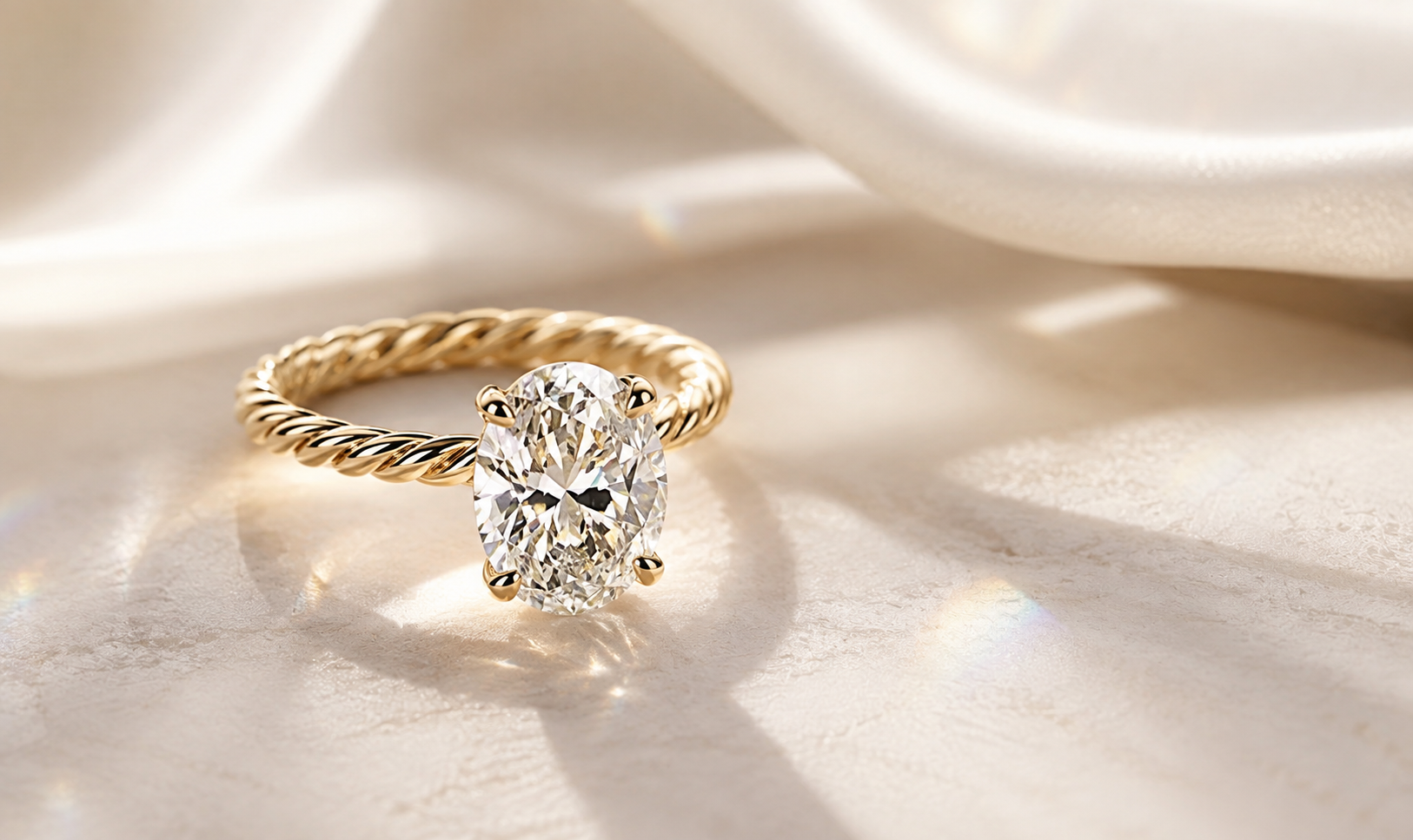
Choosing a diamond is not simply about finding the largest stone within your budget. Carat, color, clarity, and cut all affect how a diamond looks, performs, and fits your personal preferences. When shopping for oval lab grown diamond rings, understanding how these four factors work together can help you spend your money where it matters most.
A balanced diamond can look impressive without requiring the highest grade in every category. The key is knowing which characteristics are noticeable to the eye and which differences may be difficult to see without magnification or professional equipment.
What Does Carat Mean?
Carat refers to a diamond's weight, not its physical size alone. Two diamonds with the same carat weight can have different measurements because their proportions and shapes vary.
Oval diamonds are particularly interesting because their elongated outline can create the impression of a larger stone when viewed from above. This makes an oval diamond a popular choice for shoppers who want noticeable finger coverage without automatically choosing a very high carat weight.
For example, a well-proportioned 1.50-carat oval diamond may appear larger across the finger than a round diamond with the same weight. However, measurements should always be checked alongside carat weight because length and width provide a better idea of how much surface area you will actually see.
Should You Prioritize Carat?
That depends on your priorities. If size is your main concern, allocating more of your budget toward carat can make sense. However, increasing carat weight while compromising heavily on cut or clarity may not produce the appearance you expect.
Instead of focusing only on the number displayed beside "carat," compare the diamond's measurements, proportions, cut quality, and overall appearance.
How Color Affects an Oval Diamond
Diamond color describes how much body color a stone shows. The standard grading scale generally ranges from D, which represents the highest color grade, through Z, where more noticeable yellow or brown tones can appear.
Oval diamonds can show color differently from some other shapes because their larger table and elongated outline can make body color more visible. The metal surrounding the stone can also influence how its color is perceived.
A white-metal setting may make color differences easier to notice, while warmer metals can complement diamonds with slightly lower color grades.
For many buyers, choosing a middle-to-high color range can provide a pleasing appearance without paying a premium for the highest possible grade.
Choosing the Right Clarity
Clarity refers to internal characteristics, called inclusions, and surface characteristics, called blemishes. Diamond laboratories evaluate these features under magnification and assign a clarity grade.
The important question for many shoppers is not whether a diamond has any inclusions, but whether those inclusions are visible without magnification.
An oval diamond with a lower clarity grade can still appear clean to the unaided eye if its inclusions are small, well-positioned, and difficult to notice. On the other hand, a higher clarity grade does not automatically guarantee that a diamond will look better from every angle.
When comparing stones, inspect the actual diamond whenever possible rather than selecting a clarity grade based solely on its label.
Why Cut Deserves Special Attention
Cut affects how a diamond handles and returns light. It includes factors such as proportions, symmetry, and finish.
For oval diamonds, cut becomes especially important because the shape does not have one universally defined proportion that suits every shopper. Some ovals look broad and rounded, while others appear longer and slimmer.
The outline should be even, the ends should have a pleasing shape, and the stone should show good visual balance when viewed from above.
One feature to watch closely in oval diamonds is the bow-tie effect. This is a darker area that can appear across the center of the stone. A small amount can be normal, but a very strong bow-tie may affect the overall appearance.
Rather than choosing an oval based only on its grading information, compare photographs or videos and inspect how the diamond looks from different angles. You can see more options oval lab grown diamond rings offers a softness that is hard to replicate with sharper cuts. This gentle aesthetic ensures that the ring doesn’t feel tied to a specific era, making it a lasting symbol of elegance.
Finding the Right Balance Between the Four Cs
The best diamond does not necessarily have the highest grade in every category. Instead, think about which characteristics matter most to you.
If size is your priority, you might choose a larger carat weight while accepting a slightly lower color or clarity grade. If you care most about a bright, well-performing stone, you may decide to place more of your budget toward cut and visual quality.
Here is a simple way to think about the four Cs:
Factor What It Controls What to Consider
Carat Diamond weight Size and finger coverage
Color Body color How white or warm the diamond appears
Clarity Inclusions and blemishes Whether imperfections are visible
Cut Proportions and finish Light performance and overall appearance
This approach allows you to create priorities before comparing individual diamonds.
How to Set Your Budget
Start by deciding the total amount you are comfortable spending. Then determine which characteristics you care about most.
For example, someone who wants a noticeable oval may place carat and measurements near the top of the list. Another buyer may care more about a bright appearance and choose a slightly smaller stone with stronger cut characteristics.
Lab grown diamonds can provide another way to approach this balance. Because they can offer different pricing compared with mined diamonds, shoppers may have more flexibility when deciding how to distribute their budget among carat, color, clarity, and cut.
The goal is not to maximize every grade. The goal is to find the combination that gives you the appearance and specifications you actually want.
Carat vs. Cut: Which Matters More?
This is one of the most common decisions buyers face.
A larger diamond with weaker proportions may not look as appealing as a slightly smaller diamond with better proportions. For an oval, this difference can be especially noticeable because the shape's visual character depends heavily on its proportions and outline.
If you have to choose between increasing carat weight and improving overall cut quality, consider viewing both stones side by side. Your eyes may tell you more than the grading numbers alone.
A diamond should look attractive to you in normal viewing conditions, not simply look impressive on a specification sheet.
Color vs. Clarity: Where Can You Compromise?
Color and clarity are two areas where buyers may find room to adjust their budget.
You do not necessarily need the highest color grade if a slightly lower grade still appears sufficiently white to you. Likewise, you may not need an exceptionally high clarity grade if the diamond appears clean when viewed normally.
For an oval, consider the diamond's actual appearance rather than treating a specific clarity or color grade as an automatic requirement.
If you are comparing a higher-priced stone with a lower-priced alternative, ask yourself whether you can genuinely see the difference without magnification. If you cannot, that difference may not be worth a large increase in price.
Consider the Ring Setting Too
Although the four Cs describe the diamond itself, the finished ring also affects how the stone looks.
The metal color, surrounding diamonds, band design, and proportions of the setting can influence the visual impression of the center stone. A diamond that looks slightly warmer on its own may appear different once placed into a particular metal.
This is why it is helpful to imagine the diamond as part of the finished piece rather than evaluating it in isolation.
When comparing lab grown diamond oval engagement ring options, consider how the center stone works with the rest of the ring and whether the overall proportions feel right on the hand.
Compare Measurements, Not Just Carat Weight
Carat weight is useful, but measurements provide additional information.
An oval's length-to-width ratio can influence its appearance significantly. A longer oval can create a slender impression, while a wider oval can have a fuller outline.
There is no single ratio that every person will prefer. Personal taste plays an important role.
When comparing two diamonds with similar carat weights, look at their length and width measurements. A small difference can change how much of the finger the diamond covers and how its shape appears.
Why Proportion Matters for Oval Diamonds
Proportion is closely connected to how an oval looks from above. The relationship between length, width, depth, and other measurements can affect the stone's overall appearance.
Instead of choosing a diamond simply because its specifications fall within a certain numerical range, use those numbers as a starting point for comparison.
Look at the outline, symmetry, center area, ends, and overall visual balance. If possible, view multiple stones under similar lighting so you can make a fair comparison.
A Practical Way to Compare Diamonds
Once you have established your budget, create a short list of diamonds with similar carat weights. Then compare their color, clarity, measurements, and cut characteristics.
After that, remove any stones that do not meet your basic requirements. Among the remaining choices, focus on what you can actually see.
Ask yourself:
Does the diamond look bright from different angles?
Is the oval outline pleasing to you?
Is the bow-tie effect distracting?
Does the color look comfortable in your chosen metal?
Are inclusions visible without magnification?
Does the size provide the finger coverage you want?
Does the overall price fit your budget?
These questions can make the buying process much easier because they shift attention from individual grades to the complete diamond.
Where Lab Grown Diamonds Fit Into the Decision
Lab grown diamonds are diamonds created through controlled technological processes rather than formed naturally beneath the earth. They have the same basic chemical composition and crystal structure as mined diamonds.
For shoppers considering lab grown diamond oval ring styles, the same four Cs remain important. A lab grown diamond still needs to be evaluated for carat, color, clarity, and cut.
The benefit of having more flexibility in the budget can allow buyers to decide which specifications deserve greater attention. Instead of spending the majority of the budget on carat alone, you can consider how each part of the diamond contributes to the final appearance.
Common Buying Mistakes to Avoid
One common mistake is assuming the highest grade is automatically the best purchase. A higher grade can increase the price without creating a noticeable visual difference.
Another mistake is choosing carat weight without checking measurements. Two stones with the same weight may look different because their dimensions and proportions differ.
It is also easy to overlook cut quality while concentrating on color and clarity. With oval diamonds, the overall visual appearance deserves careful attention.
Finally, avoid making a decision based solely on a single photograph. Lighting can influence how a diamond looks, so multiple views can provide a better understanding of its appearance.
How Antiquecut Can Fit Into Your Search
When comparing oval lab grown diamond rings, shoppers can use their personal priorities to narrow the selection rather than trying to find the highest grade in every category. Antiquecut can be one place to review available oval lab grown diamond options while considering your preferred size, appearance, and budget.
The most useful comparison is one that considers the complete stone instead of focusing on one number.
A Simple Four-C Approach
You can make the process easier by assigning a priority to each C.
For example:
1. Decide your preferred size: Determine the carat range and measurements that suit your hand.
2. Set a color range: Choose the level of whiteness you are comfortable with.
3. Look for eye-clean clarity: Focus on whether inclusions can be seen without magnification.
4. Pay close attention to cut and appearance: Compare proportions, symmetry, and visual performance.
Once you have these preferences, it becomes easier to compare diamonds without getting overwhelmed by dozens of specifications.
Final Thoughts
Balancing carat, color, clarity, and cut is about making smart compromises rather than chasing perfect grades. For oval diamonds, measurements, proportions, outline, and visible appearance deserve particular attention.
Start with your budget, decide what matters most, compare diamonds side by side, and remember that the best choice is the one that fits your priorities.
If you are ready to compare different stones, see more options and review their carat, color, clarity, measurements, and overall appearance before making your final decision.