English
 Arabic
 French
 Spanish
 Portuguese
 Deutsch
 Turkish
 Dutch
Dutch
 Italiano
 Russian
 Romaian
 Portuguese (Brazil)
 Greek
Greek
عالم من التجميل بانتظارك: حقن الفيلر للثدي في الرياض
Health |
2026-06-18 12:27:49
 Advertise With Us
 About Us
 Terms And Conditions
 سياسة الخصوصية
عرض كل النتائج
سياسة الخصوصية
عرض كل النتائج

ترقية الحساب
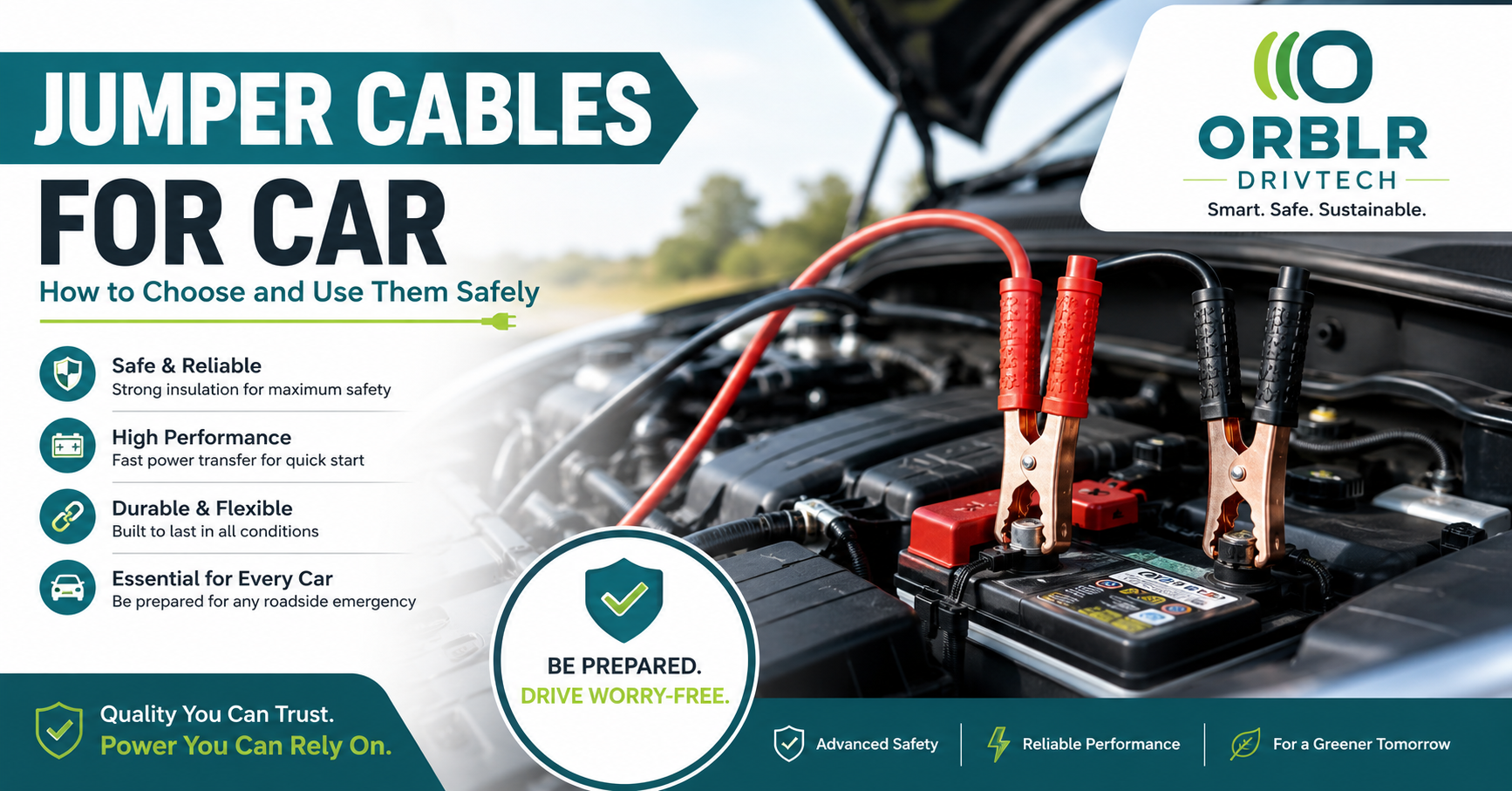
A dead car battery can leave you stranded at home, in a parking lot, or on the road. Having reliable jumper cables for car use in your vehicle can help you restart a car when the battery has lost enough charge to crank the engine.
But choosing the right cables and using them correctly matters. Poor-quality cables, incorrect connections, or the wrong jump-start procedure can damage electrical components or create a safety hazard. This guide explains what to look for and how to use jumper cables safely.
Jumper cables for car are insulated electrical cables with clamps at both ends. They are used to temporarily connect a vehicle with a discharged 12V battery to another suitable power source, usually another vehicle with a healthy 12V battery.
A typical set includes:
Red cable for the positive (+) connection
Black cable for the negative (−) connection
Insulated clamps for secure battery connections
Heavy-duty copper or copper-clad conductors
The correct cable size depends on the vehicle, engine size, cable length, and intended use.
Not all jumper cables offer the same performance. Before buying, consider these important factors:
A lower gauge number generally means a thicker conductor capable of carrying more current. Heavy-duty cables are often preferable for larger engines and demanding conditions.
Longer cables provide more flexibility when positioning two vehicles, but excessive length can increase electrical resistance. Choose a practical length for your vehicle and storage needs.
Strong, well-insulated clamps should grip the battery terminals securely. Look for durable construction and adequate insulation around the metal jaws.
Cables that remain flexible in different temperatures are easier to handle and store, particularly during emergencies.
For regular roadside use, choose cables with durable insulation, reliable connections, and robust clamps rather than focusing only on price.
Always check your vehicle owner's manual before attempting a jump start. The recommended connection procedure can vary between vehicles.
For a conventional 12V vehicle where jump-starting is permitted:
Park the assisting vehicle close enough for the cables to reach, without allowing the vehicles to touch.
Turn both vehicles off and switch off unnecessary electrical accessories.
Connect the red clamp to the positive (+) terminal of the dead battery.
Connect the other red clamp to the positive (+) terminal of the assisting battery.
Connect the black clamp to the negative (−) terminal of the assisting battery.
Connect the remaining black clamp to an appropriate unpainted metal grounding point on the disabled vehicle, if specified by the vehicle manufacturer.
Start the assisting vehicle and allow it to run briefly.
Attempt to start the disabled vehicle.
Once started, carefully remove the cables in the reverse order recommended by the vehicle manufacturer.
Never allow the positive and negative clamps to touch each other.
This is an important distinction. Jumper cables should not be used to jump-start an EV's high-voltage traction battery. Electric vehicles use high-voltage battery systems that require specialized procedures.
Some EVs have a separate 12V or low-voltage battery, but whether and how it can be jump-started varies by vehicle. Always follow the manufacturer's instructions and use appropriate roadside assistance when required.
For an EV-focused brand such as ORBLR DRIVTECH, understanding the difference between conventional 12V jump-start systems and EV charging equipment is essential. EV chargers are designed to recharge compatible vehicle batteries through the vehicle's designated charging system—not to replace jumper cables.
Keeping a quality set of jumper cables in your vehicle can provide peace of mind because:
Battery problems can happen unexpectedly.
They are compact and easy to store.
They can help in suitable emergency jump-start situations.
They are useful for many conventional petrol and diesel vehicles.
They can be kept with other roadside emergency equipment.
The right jumper cables for car emergencies should be durable, appropriately sized, flexible, and equipped with secure insulated clamps. More importantly, they should always be used according to the vehicle manufacturer's instructions.
For EV owners, remember that jumper cables are not a substitute for an EV charger. Understanding your vehicle's charging and low-voltage systems can help you choose the right equipment for safe and reliable electric mobility.
ORBLR DRIVTECH is focused on smart and reliable EV charging solutions for modern electric mobility across India. Explore the right charging solution for your EV and make everyday charging simpler and more convenient.
1. What are jumper cables used for?
Jumper cables are used to transfer electrical power from a suitable battery or power source to a discharged 12V vehicle battery so the vehicle can start.
2. What gauge jumper cables should I buy?
The appropriate gauge depends on the vehicle and engine size. Heavier-duty vehicles generally benefit from thicker, higher-capacity cables.
3. Can jumper cables damage a car?
Incorrect connections can damage vehicle electronics or batteries. Always follow the vehicle manufacturer's jump-start instructions.
4. Can I use jumper cables on an EV?
Jumper cables should not be used on an EV's high-voltage traction battery. Follow the manufacturer's instructions for the vehicle's separate low-voltage system if applicable.
5. Are jumper cables better than a portable jump starter?
They serve different purposes. Jumper cables require another suitable power source, while a portable jump starter contains its own battery and can be used independently.