English
 Arabic
 French
 Spanish
 Portuguese
 Deutsch
 Turkish
 Dutch
Dutch
 Italiano
 Russian
 Romaian
 Portuguese (Brazil)
 Greek
Greek
Graphic Design in Saudi Arabia | ithouse.tech
Other |
2026-08-14 09:06:41
 Advertise With Us
 About Us
 Terms And Conditions
 Politique de confidentialité
Tout voir
Politique de confidentialité
Tout voir

Mise à niveau vers Pro
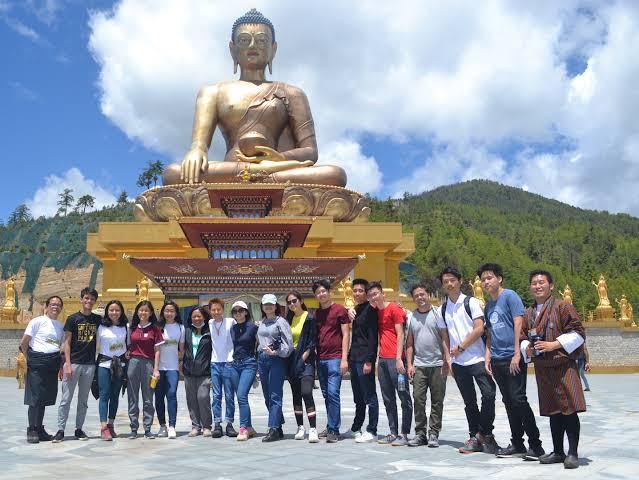
Bhutan textile tour packages offer a unique way to explore the country's rich artistic heritage, traditional weaving techniques, rural communities, and beautiful Himalayan landscapes. Bhutanese textiles aren't simply decorative fabrics. They are closely connected with cultural identity, traditional clothing, spirituality, family traditions, and local craftsmanship.
A Bhutan textile tour packages can take travelers from museums and weaving centers in Thimphu to traditional weaving villages in Bumthang, Lhuntse, and eastern Bhutan. Along the way, visitors can meet artisans, observe handloom techniques, learn about natural dyes, explore traditional garments, and purchase authentic handmade textiles.
For travelers interested in culture, fashion, art, photography, and traditional craftsmanship, these tours provide a fascinating alternative to a standard Bhutan sightseeing holiday.
Bhutan textile tour packages are specially designed journeys that focus on the country's traditional weaving and textile heritage. Depending on the itinerary, travelers may visit textile museums, artisan workshops, weaving villages, craft centers, and local markets.
Some packages are short and focus on Thimphu and nearby destinations, while longer journeys travel deep into central and eastern Bhutan. Popular textile regions include Bumthang, Lhuntse, Khoma, and Radhi.
A comprehensive package can combine textile experiences with visits to monasteries, dzongs, traditional villages, mountain valleys, and famous landmarks.
A textile tour allows travelers to see how traditional Bhutanese fabrics are produced rather than simply purchasing finished products.
Visitors can watch artisans prepare yarn, operate traditional looms, create patterns, and use different coloring techniques. Some itineraries also include hands-on weaving workshops where travelers can try traditional techniques themselves.
These experiences create a stronger connection with Bhutanese culture because travelers meet the people who preserve these skills and learn about the stories behind their work.
Thimphu is an excellent starting point for a textile-focused trip. The National Textile Museum provides an introduction to Bhutan's weaving heritage and traditional garments.
Visitors can learn about different weaving techniques, textile patterns, indigenous fibers, ceremonial fabrics, and the role textiles play in Bhutanese culture.
Beginning a trip at a textile museum can make later visits to weaving communities more meaningful. Once travelers understand the basic techniques and terminology, they can better appreciate the work of individual artisans.
A good Bhutan textile tour package often includes visits to local weaving centers.
Here, travelers can observe skilled weavers working at traditional looms. They may see different stages of textile production, from arranging threads to creating intricate patterns.
Some weaving centers also allow visitors to interact with artisans and purchase handmade products.
These visits provide an opportunity to understand how much patience and concentration are required to create traditional Bhutanese fabrics.
Bumthang is an important destination for textile enthusiasts. The region is home to several traditional weaving communities and is particularly known for woolen textiles.
Chumey Valley is associated with yathra, a thick woven fabric traditionally made from wool. It is known for its colorful patterns and warmth and has traditionally been used for clothing and household items.
A textile package that includes Bumthang can combine weaving experiences with visits to ancient temples, monasteries, villages, and scenic mountain valleys.
Yathra is one of the most distinctive textiles travelers can discover during a Bhutan textile tour package.
The thick woolen fabric is particularly suited to the colder Himalayan environment. Artisans create colorful geometric patterns that can be used for blankets, clothing, bags, cushions, and other products.
Watching yathra being produced provides insight into the relationship between Bhutanese textiles and the country's mountain environment.
Travelers can also purchase authentic yathra products as meaningful souvenirs.
Khoma village in Lhuntse is another important stop on longer textile journeys.
The village is particularly associated with Kishuthara, a finely patterned silk textile traditionally used for women's formal clothing. The intricate designs require considerable skill and time to produce.
A visit to Khoma allows travelers to see artisans working in traditional settings and learn how weaving has become part of community life.
Some cultural experiences may also include conversations with weaving families, traditional meals, and opportunities to try basic weaving techniques.
Radhi in eastern Bhutan is known for both agriculture and traditional weaving. The village is associated with fine raw silk textiles, often known as bura.
Travelers visiting Radhi can see how weaving fits into rural life. During periods when agricultural work is less demanding, families may spend more time producing traditional textiles.
This makes Radhi particularly interesting for visitors who want to understand the connection between farming, family life, and traditional craftsmanship.
Silk is an important material in Bhutanese textile traditions, particularly for fine and formal garments.
During a textile tour, travelers may encounter different types of silk fabrics and learn how artisans create detailed patterns using traditional methods.
The delicate appearance of fine silk textiles can be misleading because producing intricate designs requires considerable skill and patience.
Seeing these fabrics being woven by hand provides a greater appreciation for their craftsmanship and cultural value.
Some Bhutan textile tour packages include demonstrations of traditional dyeing.
Artisans can use natural materials such as plants, roots, minerals, and other locally available substances to create different colors. The process requires knowledge about materials, preparation, temperature, and timing.
A dyeing demonstration can help travelers understand that textile production involves much more than weaving. Preparing fibers, creating colors, arranging threads, and developing patterns are all important parts of the craft.
A hands-on workshop can be one of the highlights of a Bhutan textile tour.
Under the guidance of an experienced artisan, travelers can sit at a traditional loom and learn basic weaving techniques.
Even a short session demonstrates how difficult it can be to maintain thread tension and create consistent patterns.
A workshop is particularly suitable for travelers who enjoy interactive cultural experiences and want to take home more than photographs and souvenirs.
Textiles are closely connected with traditional Bhutanese clothing.
The kira is traditionally worn by women, while the gho is traditionally worn by men. Different fabrics, patterns, colors, and weaving methods contribute to the appearance of these garments.
Festival periods can be especially interesting for textile enthusiasts because people often wear their finest traditional clothing.
A well-planned package can combine textile workshops with festival visits, allowing travelers to see traditional fabrics being worn in authentic cultural settings.
A textile tour doesn't have to focus entirely on weaving.
Many packages combine textile experiences with visits to ancient dzongs, Buddhist monasteries, temples, villages, and historical landmarks.
For example, a journey through Bumthang can combine weaving with visits to ancient temples, while a trip to eastern Bhutan can include traditional villages and mountain landscapes.
This combination creates a broader understanding of Bhutanese culture.
Paro is an excellent addition to almost any Bhutan cultural itinerary. Travelers can explore traditional architecture, monasteries, markets, and local crafts before or after visiting textile centers.
The famous Tiger's Nest hike can also be included.
Combining a textile experience with the mountain hike provides a good balance between cultural exploration and outdoor adventure.
The exact inclusions depend on the package and travel style, but a textile-focused itinerary may include accommodation, transportation, sightseeing, meals, a local guide, entrance fees, and visits to weaving communities.
Specialized packages may also include:
Textile museum visits
Traditional weaving demonstrations
Hands-on weaving workshops
Natural dye demonstrations
Artisan and village visits
Traditional clothing experiences
Textile shopping
Farmhouse meals
Cultural sightseeing
Hiking and nature experiences
Luxury and customized packages may provide private workshops and personalized artisan experiences.
Textile tours can generally be arranged throughout the year because weaving is a traditional craft practiced across different seasons.
However, travelers interested in visiting rural weaving communities may find the post-harvest period particularly interesting. During quieter agricultural periods, some rural communities devote more time to weaving.
Festival seasons can also be attractive because traditional clothing and textiles become especially visible during cultural celebrations.
Responsible tourism is important when visiting weaving communities.
Travelers should respect artisans' time, ask before taking photographs, and avoid interrupting their work.
When purchasing handmade textiles, it is worthwhile to ask about the material, production process, and place of origin. Buying authentic handcrafted products can help support local artisans and rural communities.
Traditional textiles may take many hours or even weeks to complete, so their prices should reflect the skill and labor involved.
The right Bhutan textile tour package depends on how deeply you want to explore Bhutanese weaving traditions.
A short itinerary can focus on Thimphu, textile museums, weaving centers, and nearby cultural attractions.
A longer trip can travel through Bumthang and eastern Bhutan, visiting places such as Lhuntse, Khoma, and Radhi. This type of itinerary provides greater exposure to regional differences in materials, patterns, and techniques.
Travelers should also consider whether they want hands-on workshops, village visits, textile shopping, or a combination of culture and sightseeing.
Bhutan textile tour packages provide a fascinating opportunity to discover Bhutan through its fabrics, artisans, villages, and traditional craftsmanship. From the colorful yathra of Bumthang to the intricate silk weaving of Khoma and the raw silk traditions of Radhi, different regions offer distinctive textile experiences.
A well-planned tour can include museum visits, weaving demonstrations, hands-on workshops, natural dye experiences, artisan meetings, and traditional textile shopping. These activities can be combined with monasteries, dzongs, villages, festivals, hiking, and Himalayan scenery.
For travelers interested in art, culture, fashion, history, or traditional craftsmanship, a Bhutan textile tour package offers an enriching journey into one of the country's most enduring cultural traditions.