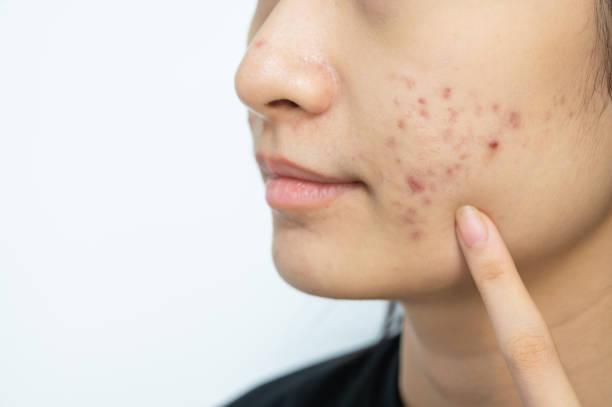
Ice pick scars are among the most distinctive types of depressed acne scars. They appear as narrow, deep indentations that extend into the skin and can remain noticeable even after active acne has cleared. Because these scars often extend deeper than superficial texture irregularities, choosing an appropriate treatment requires careful assessment. For people considering acne scar treatment jeddah, understanding the structure of ice pick scars can help set realistic expectations about treatment and results.
Why Ice Pick Scars Are Challenging
Deep Skin Damage
Ice pick scars can develop when severe acne inflammation damages deeper layers of the skin. During healing, insufficient collagen production may leave a narrow depression. Their depth means that treatments focused only on the skin's surface may provide limited improvement.
Individual Scar Structure
Not all ice pick scars have exactly the same depth or shape. Some may be relatively narrow and shallow, while others extend deeper into the tissue. A professional examination can help determine the characteristics of the scars before treatment is selected.
How Ice Pick Scars Differ From Other Acne Scars
Ice Pick vs. Rolling Scars
Rolling scars are broad and wavy, while ice pick scars are narrow and deep. Rolling scars may involve fibrous tethering beneath the skin, whereas ice pick scars often require more targeted approaches.
Ice Pick vs. Boxcar Scars
Boxcar scars tend to have wider depressions with defined edges. Ice pick scars have a smaller surface opening but can extend significantly deeper into the skin, which influences the treatment strategy.
Professional Assessment Comes First
Before choosing a procedure, a qualified professional should examine the scars and evaluate your skin type, pigmentation, sensitivity, and overall skin health. This assessment can help determine whether one treatment or a combination approach may be appropriate.
TCA CROSS for Ice Pick Scars
TCA CROSS is a targeted technique that uses a high-concentration trichloroacetic acid solution applied specifically inside selected acne scars. The controlled chemical injury can stimulate tissue remodeling and collagen production within the scar. Because the technique involves a strong chemical solution, it should only be performed by an appropriately trained professional.
Laser Treatments
Fractional Laser Resurfacing
Fractional lasers create controlled microscopic treatment zones that encourage collagen remodeling and skin renewal. They may help soften the appearance of certain ice pick scars and improve surrounding texture, although deeper scars may require additional approaches.
Why Laser Selection Matters
Laser treatment needs to be customized according to skin tone, scar depth, sensitivity, and pigmentation risk. Using inappropriate settings can increase the possibility of irritation or pigmentation changes, making professional assessment particularly important.
Microneedling for Ice Pick Scars
Microneedling stimulates the skin's natural healing response and collagen production. It may improve overall texture and some shallow depressed scars, but very deep ice pick scars may not respond sufficiently to microneedling alone. A professional can determine whether it is appropriate as part of a broader treatment plan.
Punch Techniques for Deep Scars
Certain deep ice pick scars may be considered for punch excision or punch elevation techniques. These procedures directly address individual scars rather than treating the entire skin surface. They may be useful when selected scars are particularly deep or resistant to other approaches.
Combination Treatments
Because ice pick scars can vary significantly, a combination approach may sometimes provide more comprehensive improvement. A targeted treatment may be used for deep individual scars, while laser or collagen-stimulating procedures address surrounding texture. Treatments may be performed in stages to allow adequate healing.
Can Chemical Peels Help?
Chemical peels can improve certain superficial skin concerns and pigmentation, but conventional peels may have limited effects on deep ice pick scars. Targeted chemical techniques may be considered for selected scars, while deeper structural scars may require another approach.
How Skin Type Affects Treatment
Skin tone and pigmentation tendency are important considerations when choosing acne scar treatments. Some procedures may carry a higher risk of temporary or persistent pigmentation changes in certain skin types. A qualified provider can adjust the treatment approach according to your skin characteristics.
How Many Sessions May Be Needed?
The number of treatments varies according to scar depth, number of scars, selected technique, and individual healing response. Some targeted procedures may be performed in stages, while collagen-stimulating treatments often require multiple sessions. Your provider can recommend an appropriate schedule after examining your skin.
What Results Can You Expect?
Treatment aims to reduce the depth and visibility of ice pick scars rather than guarantee complete removal. Improvement is usually gradual as the skin heals and remodels. The final result depends on scar depth, treatment method, skin characteristics, and individual response.
Recovery After Treatment
Recovery varies depending on the procedure. Temporary redness, swelling, sensitivity, peeling, or small areas of crusting may occur with some treatments. More intensive procedures can require additional downtime. Following professional aftercare instructions is important for reducing irritation and supporting healing.
Protecting Your Skin During Recovery
Sun protection is particularly important after acne scar procedures. Ultraviolet exposure can increase the risk of pigmentation changes while the skin is healing. Your provider may also recommend gentle skincare and temporarily avoiding certain active ingredients or exfoliating products.
Can Skincare Remove Ice Pick Scars?
Skincare can support overall skin health and may help with pigmentation or mild surface irregularities, but deep ice pick scars are structural changes that usually cannot be removed with creams alone. Professional treatment may be necessary for more noticeable improvement.
Preventing New Ice Pick Scars
Managing active acne is an important part of preventing additional scarring. Avoid picking, squeezing, or aggressively manipulating breakouts, as this can increase inflammation and tissue damage. Appropriate acne management can help protect the skin while existing scars are being treated.
Choosing the Right Treatment
When considering Acne Scar Treatment in Riyadh, avoid selecting a procedure simply because it is advertised as the newest or fastest solution. Ice pick scars require careful evaluation because their depth and structure differ from other acne scars. A qualified professional can recommend an approach based on your individual skin, scar characteristics, and treatment goals.
Book an Appointment with Royal Clinic Saudia
If you have ice pick scars and want to understand which treatment options may be suitable, Royal Clinic Saudia can provide a personalized skin assessment. Discuss your scar depth, skin type, previous treatments, and desired improvement with the medical team before choosing a treatment plan.
FAQs:
What are ice pick acne scars?
They are narrow, deep depressions that extend into the skin after severe acne inflammation.
What treatment is best for ice pick scars?
The appropriate treatment depends on scar depth and skin characteristics and may include targeted or combination procedures.
Can microneedling remove ice pick scars?
Microneedling may improve some texture concerns, but deep ice pick scars may require more targeted treatment.
Can ice pick scars be completely removed?
Complete removal cannot be guaranteed, but professional treatment can reduce their depth and visibility.
 English
 Arabic
 French
 Spanish
 Portuguese
 Deutsch
 Turkish
 Dutch
Dutch
 Italiano
 Russian
 Romaian
 Portuguese (Brazil)
 Greek
Greek
 Advertise With Us
 About Us
 Terms And Conditions
 Politique de confidentialité
Tout voir
Politique de confidentialité
Tout voir