English
 Arabic
 French
 Spanish
 Portuguese
 Deutsch
 Turkish
 Dutch
Dutch
 Italiano
 Russian
 Romaian
 Portuguese (Brazil)
 Greek
Greek
Eagan to MSP Airport Car Service
Other |
2026-07-07 19:07:40
 Advertise With Us
 About Us
 Terms And Conditions
 Privacy Policy
Mostra tutti i risultati
Privacy Policy
Mostra tutti i risultati

Passa a Pro
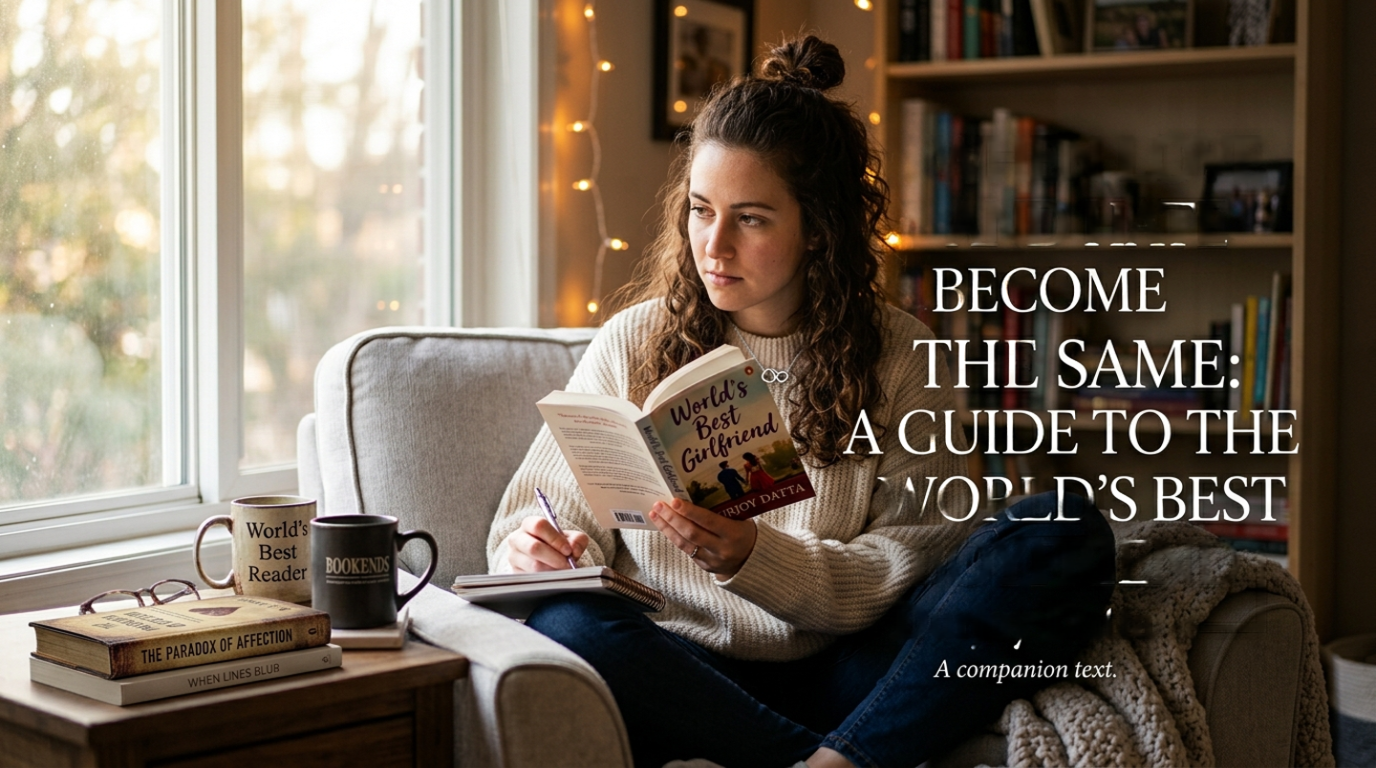
Durjoy Datta’s The World’s Best Boyfriend is a highly famous contemporary romance novel that explores the complicated relationship between anger, love, and family problems. The novel was published in 2015, and follows the story of two young people whose relationship constantly moves between affection and hatred. The central idea of the novel is quite simple, yet intriguing: sometimes it can get difficult to differentiate love and hate from one another.
To appreciate the novel, you kinda have to look past the romantic storyline. Dhurv and Aranya have difficult childhoods, and their family situations are complicated, messy in that way that follows you around. Those experiences sort of shape their temperaments, and they, in turn, influence how they see relationships.
They fall in love when they are young, but life, as it does, eventually pulls them apart. Later, they meet again, and everything feels changed, dramatically, not just a little. Instead of speaking their unresolved feelings openly, they go the other way; they try to sting one another and irritate, like really deliberately. Their ongoing clashes become the main pressure point of the novel.
Datta uses this bond to examine how unfinished feelings can stay potent even after people think they’ve moved on. The book keeps asking that kind of question: whether hatred can actually mask attachment, especially when two people can’t properly erase each other from their everyday life.
Dhurv and Aranya are honestly the best parts of the book. Both are flawed, emotionally tangled, and clearly formed by hard experiences. Their imperfections make the whole relationship feel unpredictable, not some idealised romance that’s neat and quiet.
Datta’s writing is direct, almost conversational, and it seems designed for a contemporary Indian readership. The novel swings between emotional beats, arguments, and those romantic scenes, so the narrative keeps moving; you don’t really get a lot of pause time. Some readers might find this style very accessible, but others may feel tired by how often the conflicts repeat, like it’s the same weather coming back again and again.
The World’s Best Boyfriend review tells us that the novel’s biggest strength is its handling of complicated emotions. Rather than treating love as straightforward, Datta shows how anger, hurt, attraction, and affection can sit side by side. The story is also lifted by its character-first approach.
However, if you are looking for a more mature and realistic portrayal of relationships, then you might feel that some aspects of the novel are melodramatic.
A major strength highlighted in The World’s Best Boyfriend review is the way the novel deals with complicated emotions. Love is not presented as something completely positive or uncomplicated. Anger, attraction, hurt, affection, and insecurity can all exist simultaneously.
The character-focused approach is another positive aspect. The story is driven largely by the emotional history of Dhruv and Aranya, giving readers plenty to consider about their motivations.
On the other hand, some situations can feel melodramatic. Certain conflicts may seem exaggerated, particularly for readers who prefer realistic relationship dynamics. The repeated misunderstandings can also become frustrating at times.
The World’s Best Boyfriend may appeal to readers who enjoy:
Contemporary Indian romance
Emotional relationship stories
Complicated love-hate dynamics
Character-driven fiction
Stories involving family struggles
Dramatic romantic conflicts
Simple and conversational writing
It may be less suitable for readers who prefer subtle romances, highly realistic relationship development, or literary writing.
The World’s Best Boyfriend is an emotional contemporary romance that examines how love, anger, family experiences, and unresolved feelings can become deeply intertwined. Dhruv and Aranya’s complicated relationship gives the novel its central appeal, while the themes of emotional vulnerability and unfinished relationships add depth to the romance.
Although some parts may feel dramatic or repetitive, the novel remains an accessible choice for readers who enjoy emotionally intense Indian romance. For more Durjoy Datta book reviews, recommendations, and reading content, explore totalread.net and discover more contemporary romance titles.