English
 Arabic
 French
 Spanish
 Portuguese
 Deutsch
 Turkish
 Dutch
Dutch
 Italiano
 Russian
 Romaian
 Portuguese (Brazil)
 Greek
Greek
Tattoo Removal in Dubai: Treatment Preparation Guide
Health |
2026-08-05 06:39:32
 Advertise With Us
 About Us
 Terms And Conditions
 Datenschutzbestimmungen
Alle anzeigen
Datenschutzbestimmungen
Alle anzeigen

Upgrade auf Pro
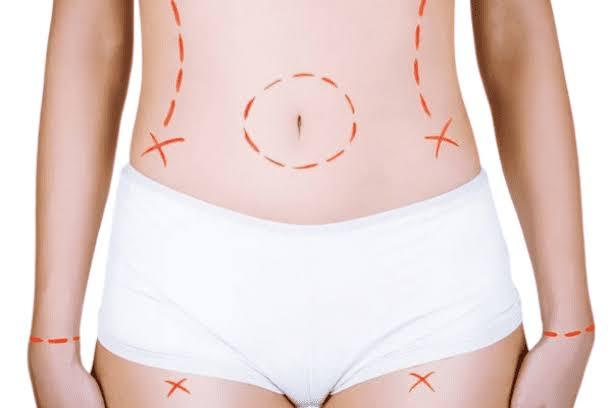
One of the most common questions women ask when considering body contouring surgery after childbirth is: "When is the right time?" Timing plays a crucial role in achieving safe, long-lasting results, and it's not simply about age — it's about your body's readiness, your family planning goals, and your overall health. If you're exploring your options for MOMMY MAKEOVER DUBAI, understanding the ideal timing can help you plan a procedure that delivers the best possible outcome. In this guide, we'll walk through the factors that determine the right age and timing for this transformative surgery.
Unlike some cosmetic procedures that are closely tied to a specific age range, a mommy makeover is less about a number and more about life stage and physical readiness. Most patients fall between their late 20s and mid-40s, but women in their 50s and beyond can also be excellent candidates, provided they're in good overall health.
What matters more than age itself is:
Surgeons evaluate each patient individually rather than applying a blanket age recommendation, which means there's no single "correct" age — only the right timing for your unique circumstances.
Perhaps the single most important timing factor is whether you plan to have more children. This is because:
Future pregnancies can undo surgical results. A tummy tuck tightens abdominal muscles and removes excess skin, but a subsequent pregnancy will stretch that skin and separate the muscles again, often requiring a second surgery to restore results.
Breast changes during pregnancy affect lift and augmentation results. Hormonal shifts and milk production can alter breast shape and volume, potentially compromising the results of a breast lift or augmentation performed beforehand.
Anesthesia and surgical stress are best avoided during family planning windows. Surgeons generally recommend waiting until you are certain you're finished having children before committing to a full mommy makeover package.
For this reason, most surgeons advise waiting at least six months to a year after your last pregnancy — and ideally confirming you don't plan on future pregnancies — before scheduling surgery.
Even once you've decided you're done having children, your body needs time to recover naturally before undergoing surgery. Here's a general timeline:
Your body is still adjusting hormonally, and if you're breastfeeding, your breast tissue is still changing in size and composition. Surgery is generally not recommended during this window.
This is often considered the earliest reasonable window for many women, particularly if breastfeeding has stopped and weight has stabilized. Hormone levels typically normalize, and the body has had time to begin natural healing.
Many surgeons consider this the ideal timeframe, as the body has had ample time to settle, weight is more likely to be stable, and skin elasticity changes have fully manifested — giving both patient and surgeon a clearer picture of what surgery can realistically achieve.
If you're breastfeeding, it's strongly recommended to wait until you've fully stopped before undergoing breast-related procedures. Breast tissue continues to change throughout lactation, and operating too early can lead to results that don't reflect your body's final post-breastfeeding shape. Most surgeons recommend waiting at least three to six months after stopping breastfeeding to allow breast tissue to settle before surgery.
Significant weight fluctuations — whether gaining or losing — after a mommy makeover can compromise results. Surgeons typically recommend that patients:
If you're still actively losing baby weight, it's often better to wait until you've plateaued near your goal weight before scheduling your consultation.
While there's no upper or lower age limit for a mommy makeover, different life stages come with unique considerations:
Late 20s to Early 30s: Skin elasticity is often better, which can support smoother healing and more predictable scarring outcomes.
Late 30s to Mid-40s: This is the most common age range for mommy makeover patients, as many women have completed their families by this stage and have well-established weight stability.
45 and Beyond: Additional pre-surgical health screening may be recommended, but age alone is rarely a disqualifying factor. Many women in this age group achieve excellent results.
Regardless of age, a thorough medical evaluation — including cardiovascular health, wound healing capacity, and any underlying conditions — is essential before surgery is approved.
Timing isn't only physical — it's also about being mentally and logistically prepared. Consider:
Planning surgery around a period when you can fully focus on rest and recovery will significantly improve both your experience and your results.
Because every woman's body, health history, and family planning goals are different, the best way to determine your ideal timing is through a personalized consultation. A qualified surgeon will assess your specific situation — including skin elasticity, muscle separation, breast changes, and overall health — to recommend a timeline tailored to you rather than a generic guideline.
There's no universal "best age" for a mommy makeover — what matters most is that you've completed your family, allowed your body adequate time to heal, and reached a stable weight. Whether you're in your late 20s or your late 40s, the right timing is deeply personal and should be guided by both physical readiness and professional medical advice. If you're ready to start planning your journey, consulting with an experienced provider is the best next step to determine when the timing is right for your MOMMY MAKEOVER DUBAI procedure and how to achieve results that truly last.