English
 Arabic
 French
 Spanish
 Portuguese
 Deutsch
 Turkish
 Dutch
Dutch
 Italiano
 Russian
 Romaian
 Portuguese (Brazil)
 Greek
Greek
The Strategic Evolution of Supply Chain Visibility and UHF RFID RAIN Market Infrastructure
Networking |
2026-08-17 07:19:03
 Advertise With Us
 About Us
 Terms And Conditions
 Privacy Policy
Mostra tutti i risultati
Privacy Policy
Mostra tutti i risultati

Passa a Pro
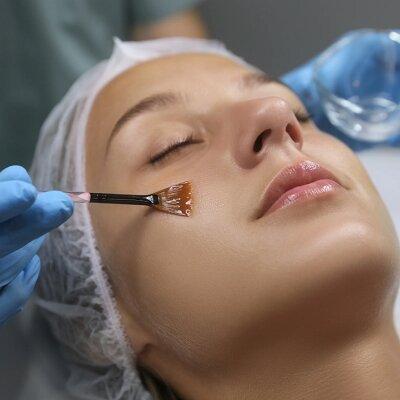
When it comes to improving the appearance and feel of the skin, both an Organic Peel and a traditional facial can be appealing options. However, they are not the same treatment, and each one is designed to address different skincare goals. Understanding the difference between an Organic Peel and a facial can help individuals choose an approach that better matches their skin type, concerns, lifestyle, and desired results.
A facial generally focuses on cleansing, hydration, relaxation, and surface-level skin maintenance. An Organic Peel, on the other hand, is typically designed to encourage controlled exfoliation and support the renewal of the outer layers of the skin. Depending on the formulation, an Organic Peel may contain naturally derived ingredients such as fruit enzymes, botanical extracts, or naturally occurring acids.
Although the word “organic” can sound universally gentle, the strength and ingredients of a peel can vary considerably. For that reason, professional assessment and appropriate aftercare are important, particularly for people with sensitive or reactive skin.
An Organic Peel is an exfoliating skin treatment that uses ingredients derived from natural or botanical sources to help remove accumulated dead skin cells. Depending on the specific formulation, it may use fruit acids, plant enzymes, or other naturally sourced exfoliating ingredients.
The primary purpose is to encourage the shedding of older surface cells and reveal fresher-looking skin underneath. Some formulations are intended to provide mild exfoliation, while others may produce a more noticeable peeling effect.
An Organic Peel may be considered by people who are concerned about:
Dull or uneven-looking skin
Rough skin texture
Mild discoloration
Uneven skin tone
Visible signs of environmental damage
Congested-looking pores
Early signs of skin aging
The treatment experience depends on the ingredients and concentration used. Some people may experience mild tingling, warmth, tightness, redness, or flaking afterward. These effects can vary from person to person.
It is also important to understand that “organic” does not automatically mean risk-free. Natural ingredients can still irritate the skin or cause allergic reactions. A suitable formulation should therefore be selected according to individual skin needs.
A facial is a broader skincare treatment that can include several steps designed to cleanse, soften, hydrate, and refresh the skin. A typical facial may involve cleansing, exfoliation, steaming or another method of preparing the skin, extraction when appropriate, massage, and the application of masks or moisturizers.
Unlike a peel, a facial is often focused on overall skin maintenance and immediate cosmetic freshness rather than controlled chemical or enzymatic exfoliation.
Different facials may target different concerns. For example, a hydrating facial may be designed for dry-looking skin, while a deep-cleansing facial may focus on excess oil and congestion. Some treatments also incorporate specialized masks, serums, or massage techniques.
Because facials vary widely, the exact experience depends on the products and techniques used. A gentle facial can be suitable as part of a regular skincare routine, while more intensive facial treatments may cause temporary redness or sensitivity.
The biggest difference between an Organic Peel and a facial is the treatment objective and method of exfoliation.
An Organic Peel primarily focuses on controlled exfoliation. It is intended to loosen and remove dead surface cells, encouraging the skin's natural renewal process. A facial generally combines multiple skincare steps, with exfoliation being only one possible component.
The following factors can help explain the difference:
Primary purpose: An Organic Peel generally targets exfoliation, texture, tone, and surface imperfections. A facial usually focuses on cleansing, hydration, relaxation, and general skin maintenance.
Exfoliation level: An Organic Peel may provide more targeted exfoliation than a standard facial. The strength depends on its ingredients and concentration. A facial often uses a scrub, enzyme product, or another relatively mild exfoliating method.
Treatment experience: A facial can feel soothing and relaxing, especially when massage and hydrating products are included. An Organic Peel may produce tingling or warmth and can sometimes lead to temporary dryness or peeling.
Downtime: Many gentle facials have little or no downtime. Depending on its strength, an Organic Peel may cause redness, sensitivity, dryness, or visible flaking for several days.
Skin concerns: Facials may be useful for routine cleansing and hydration, while an Organic Peel may be considered when someone wants more focused exfoliation for uneven texture or tone.
Frequency: A facial may be performed periodically as part of general skincare maintenance. Peel frequency depends on the specific formulation, skin condition, and professional recommendations.
Neither option is automatically better. The more suitable treatment depends on what the skin actually needs.
Choosing between an Organic Peel and a facial starts with identifying the primary skincare concern.
For dull-looking skin, either treatment may provide a fresher appearance. A facial can hydrate and cleanse the skin, while an Organic Peel may offer more targeted exfoliation.
For rough texture, an Organic Peel may be more suitable when controlled exfoliation is the main objective. However, the strength should be appropriate for the person's skin tolerance.
For dry-looking skin, a hydrating facial may be preferable, especially when the skin barrier feels tight or uncomfortable. A strong exfoliating treatment on already irritated or very dry skin may increase discomfort.
For mild uneven skin tone, an Organic Peel may be considered because exfoliation can help improve the appearance of superficial discoloration over time. However, pigmentation has many causes, and persistent or significant discoloration should be assessed professionally.
For congested pores, a facial may be useful when cleansing and appropriate extraction are the main goals. An exfoliating peel may also support smoother-looking skin, depending on its ingredients.
For early signs of aging, exfoliation can improve the appearance of skin texture and brightness, while a facial can support hydration and overall skin conditioning. Neither treatment should be viewed as a replacement for proven daily sun protection and a consistent skincare routine.
An Organic Peel can offer several cosmetic benefits when properly selected and applied. By removing accumulated surface cells, exfoliation can make the skin appear smoother, brighter, and more refreshed.
Potential benefits include improved-looking texture, a more even appearance, smoother skin, and a temporary glow. Some people may also find that skincare products apply more evenly after excess surface buildup has been removed.
However, precautions are important. A peel that is too strong for a particular skin type can cause excessive irritation. Possible reactions include redness, burning, dryness, sensitivity, itching, or peeling.
People with irritated, sunburned, broken, or recently injured skin should generally avoid exfoliating treatments until the skin has recovered. Individuals using prescription skincare products or treatments that increase skin sensitivity should also discuss the timing of exfoliation with an appropriate healthcare professional.
Sun protection is especially important after exfoliation. Newly exposed skin can be more sensitive to environmental factors, so broad-spectrum sunscreen and sensible sun avoidance can help protect the skin.
A facial can be a convenient option for people looking for cleansing, hydration, and general skin maintenance. Depending on the treatment, it may leave the skin feeling softer and more comfortable.
A facial may be especially appealing before an event when someone wants temporarily refreshed-looking skin without substantial recovery time. Hydrating masks and moisturizers can also help improve the appearance of dry or tired-looking skin.
However, facials are not completely free from potential risks. Aggressive extraction, harsh scrubbing, unsuitable products, or excessive heat may irritate sensitive skin. People with easily reactive skin should communicate their concerns before treatment so that unnecessary irritation can be avoided.
The quality of the products and techniques used also matters. A treatment that is gentle for one person may be uncomfortable for another, so personalization is important.
The right choice depends on the person's current skin condition and treatment goals rather than simply choosing the more intensive option.
Someone seeking relaxation, hydration, cleansing, and general maintenance may prefer a facial. Someone primarily interested in controlled exfoliation and improving the appearance of uneven texture or dullness may consider an Organic Peel.
Skin sensitivity should also be considered. Individuals with sensitive skin may benefit from a gentler approach, while those who tolerate exfoliation well may have more options.
Before either treatment, it can be helpful to review current skincare products and recent procedures. Retinoids, exfoliating acids, certain acne treatments, waxing, and other procedures can affect skin sensitivity and may influence when a treatment should be performed.
After treatment, gentle skincare is generally preferable. Harsh scrubs, excessive exfoliation, and unnecessary active ingredients may increase irritation. Moisturization and sun protection can help support the skin while it returns to its normal condition.
Ultimately, a personalized assessment is more useful than assuming that one treatment is universally superior. The best option is the one that addresses the intended concern while respecting the skin's condition and tolerance.
1. Is an Organic Peel the same as a facial?
No. An Organic Peel primarily focuses on controlled exfoliation, while a facial usually combines cleansing, exfoliation, hydration, masks, and other skincare techniques. The exact steps can vary depending on the treatment.
2. Is an Organic Peel better than a facial for glowing skin?
Both may temporarily improve the appearance of the skin. A facial can provide hydration and a refreshed appearance, while an Organic Peel may produce a brighter-looking complexion through more targeted exfoliation. The better option depends on the individual's skin and goals.
3. Can an Organic Peel be used on sensitive skin?
Some mild peel formulations may be suitable for certain sensitive skin types, but sensitivity increases the risk of irritation. A suitable formulation and strength should be selected carefully, and irritated or damaged skin should not be exfoliated until it has recovered.
4. How often can someone get an Organic Peel or facial?
There is no universal schedule. Facial frequency depends on the type of facial and the person's skin, while peel frequency depends on the formulation, strength, and individual tolerance. Following professional guidance can help reduce the risk of over-exfoliation.
5. Does an Organic Peel help with uneven skin tone?
It may improve the appearance of superficial unevenness by removing accumulated surface cells and encouraging skin renewal. However, persistent pigmentation can have different causes and may require a more targeted skincare or medical approach.
6. What should be avoided after an Organic Peel?
Immediately after a peel, harsh exfoliants, aggressive scrubbing, excessive heat, and unnecessary irritating skincare products may increase discomfort. Gentle cleansing, moisturization, and consistent sun protection are generally important parts of post-treatment care.
Read More About Organic Peel: https://enfieldclinicoman.mataroa.blog/blog/organic-peel-treatment-a-step-by-step-guide-e50db20e/