English
 Arabic
 French
 Spanish
 Portuguese
 Deutsch
 Turkish
 Dutch
Dutch
 Italiano
 Russian
 Romaian
 Portuguese (Brazil)
 Greek
Greek
Military Satellite Communication Market Encrypted Tactical Communication Systems Forecast 2025 - 2035
Other |
2026-07-21 05:34:50
 Advertise With Us
 About Us
 Terms And Conditions
 Politique de confidentialité
Tout voir
Politique de confidentialité
Tout voir

Mise à niveau vers Pro
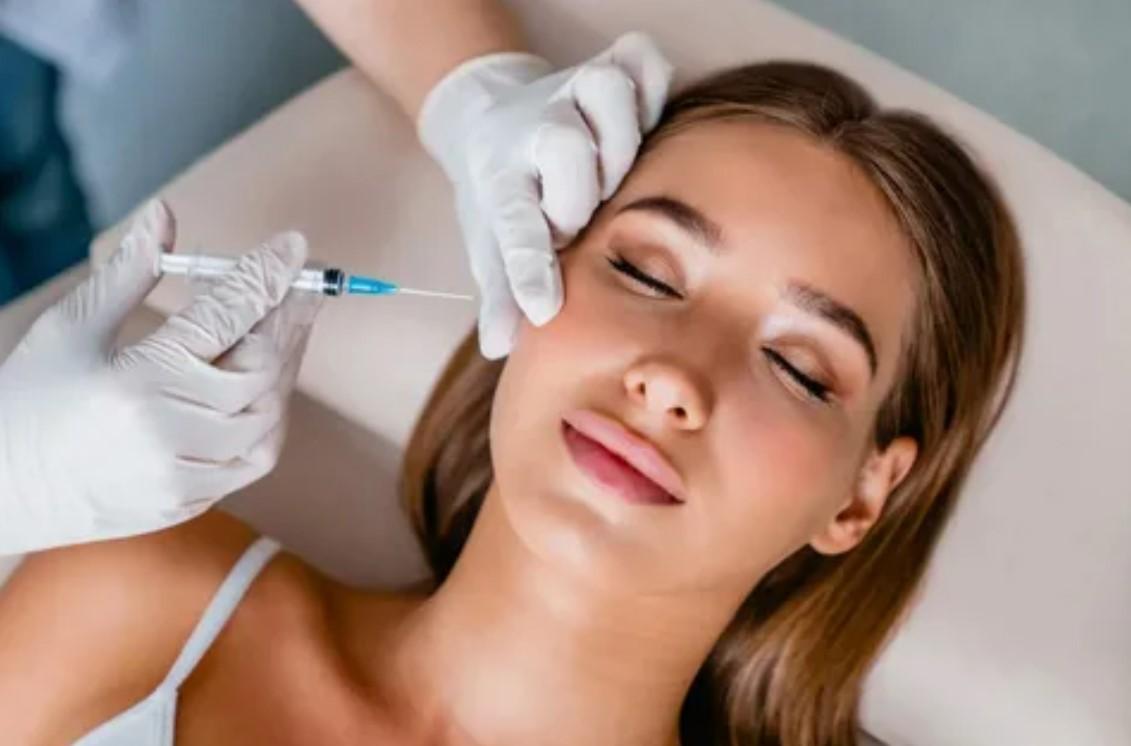
Botox is widely used for both cosmetic and medical purposes, especially for reducing facial wrinkles and managing muscle-related conditions. While its effects are temporary, many people undergo repeated treatments over several years. Understanding the long-term effects of repeated Botox use is important for setting realistic expectations and ensuring safe, sustainable results.
Overall, research and clinical experience show that long-term Botox use is generally safe when administered correctly, but it can lead to both positive and subtle structural changes in facial muscles and skin appearance over time. Botox injection in Riyadh is a popular cosmetic procedure used to reduce fine lines and wrinkles by temporarily relaxing facial muscles.
Botox blocks nerve signals to targeted muscles, reducing their ability to contract. When used repeatedly:
Because Botox does not permanently damage muscles, its long-term effects are reversible once treatment is stopped.
One of the most noticeable long-term effects is the prevention and softening of wrinkles.
With consistent use:
This is because repeated muscle relaxation reduces repetitive skin folding, which is a key cause of aging lines.
Over time, regularly treated muscles may experience mild atrophy (reduction in size) due to reduced activity.
This can lead to:
For example, repeated jaw Botox (masseter treatment) can gradually slim the jawline due to muscle reduction.
Importantly, this effect is generally controlled and reversible.
Many long-term users notice that Botox lasts longer after repeated sessions.
This happens because:
Instead of lasting 3–4 months, some areas may extend closer to 4–6 months in long-term users.
Repeated Botox use can help prevent dynamic wrinkles from becoming permanent static lines.
Long-term benefits include:
This preventive effect is one of the key reasons younger individuals are starting Botox earlier.
With long-term use, some individuals naturally reduce exaggerated facial movements.
This leads to:
This is sometimes referred to as a “muscle retraining” effect.
Although Botox does not directly improve skin quality, long-term use can indirectly enhance skin appearance by reducing repetitive movement.
Possible improvements include:
However, skin health still depends on factors like sun exposure, hydration, and skincare.
In some cases of overuse or improper dosing over time, there may be:
This is usually associated with excessive or poorly spaced treatments and can be avoided with proper technique and conservative dosing.
Long-term Botox users often experience:
This reflects increased efficiency of treatment as muscles adapt to reduced activity.
A key advantage of Botox is that its long-term effects are not permanent.
If treatments are stopped:
There is no permanent alteration of facial structure in standard cosmetic use.
Clinical studies and long-term patient observations show that Botox is generally safe when:
There is no strong evidence of cumulative toxicity in cosmetic use.
Long-term Botox use can also influence how individuals perceive their appearance:
These are subjective effects rather than medical risks.
To maintain natural results over time:
Balanced treatment ensures long-term natural aesthetics.
The long-term effects of repeated Botox use are generally positive when treatments are performed correctly. They include smoother skin, reduced wrinkle formation, mild muscle weakening, and longer-lasting results over time. Importantly, Botox does not permanently alter facial structures and remains reversible.