English
 Arabic
 French
 Spanish
 Portuguese
 Deutsch
 Turkish
 Dutch
Dutch
 Italiano
 Russian
 Romaian
 Portuguese (Brazil)
 Greek
Greek
How Professional Mold Remediation Protects Your Florida Property Value
Other |
2026-06-17 18:18:23
 Advertise With Us
 About Us
 Terms And Conditions
 Политика конфиденциальности
Смотреть все
Политика конфиденциальности
Смотреть все

Обновить до Про
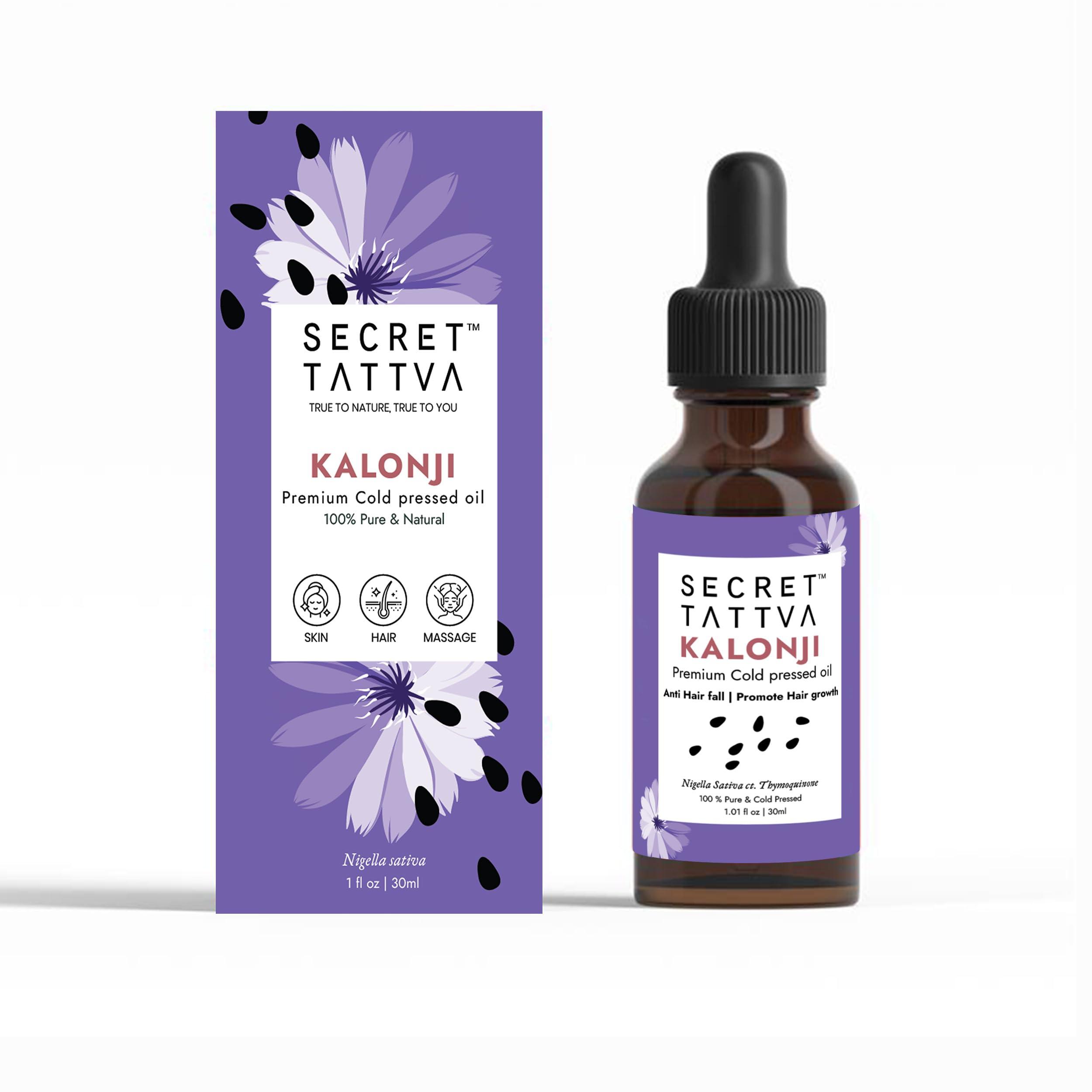
Healthy, strong, and well-nourished hair is an important part of a good personal care routine. However, hair fall, dryness, breakage, and a weak scalp can make it difficult to maintain healthy-looking hair. Many people are turning toward natural oils and traditional ingredients to support their haircare routine. One popular ingredient is kalonji oil, also known as black seed oil. Kalonji oil for hair growth has gained attention because of its nourishing properties and long history of use in traditional beauty practices. When combined with a healthy lifestyle and consistent haircare routine, kalonji oil may help condition the scalp, improve the feel of the hair, and support stronger-looking strands.
Kalonji oil is derived from the seeds of Nigella sativa, commonly known as black seed or kalonji. The small black seeds have been traditionally used in various cultures for culinary, wellness, and beauty purposes.
The oil contains naturally occurring compounds and fatty acids that can help nourish and condition the scalp and hair. It is often included in natural hair oils, scalp treatments, and homemade haircare routines.
Although kalonji oil is commonly associated with hair growth, it is important to understand that healthy hair growth depends on many factors, including genetics, nutrition, hormones, scalp health, stress, and overall health.
Using kalonji oil regularly may offer several benefits as part of a balanced haircare routine.
A healthy scalp provides a good environment for maintaining healthy-looking hair. Massaging a suitable hair oil onto the scalp can help moisturize dry skin and provide conditioning care.
Kalonji oil contains fatty acids that can help support the scalp's moisture balance and leave it feeling nourished.
Hair can become weak because of excessive heat styling, chemical treatments, environmental exposure, or poor haircare habits. Regular oiling may help condition the hair shaft and reduce the feeling of dryness.
Kalonji oil can be used as a pre-shampoo treatment to help leave hair softer and more manageable.
Dry hair is more likely to become rough and prone to breakage. Applying a suitable amount of oil can help improve the appearance and feel of dry strands.
Kalonji oil can provide a layer of conditioning that helps hair feel smoother and more moisturized.
Scalp care is an important part of any haircare routine. Regular gentle massage can help distribute oil across the scalp while providing a relaxing experience.
However, people with an oily or sensitive scalp should avoid excessive oiling and should select products appropriate for their individual scalp type.
If you want to include kalonji oil for hair growth in your routine, consistency is more important than using large amounts of oil.
Start by taking a small quantity of kalonji oil or a properly formulated kalonji-based hair oil. Apply it gently to the scalp using your fingertips. Massage lightly for several minutes without scratching or applying excessive pressure.
Leave the oil on according to the product instructions or your personal routine, then wash your hair with a gentle shampoo.
For dry hair, you can also apply a small amount to the lengths and ends before washing. Avoid applying excessive oil because it can make the hair difficult to cleanse and may leave the scalp feeling greasy.
Hair fall can occur for many different reasons. Temporary shedding may be linked to stress, changes in diet, seasonal changes, or lifestyle factors, while persistent hair loss can have medical or genetic causes.
Kalonji oil can be used as a nourishing haircare ingredient, but it should not be considered a guaranteed treatment for hair loss. Its main role is to condition the scalp and hair as part of a consistent care routine.
If you notice sudden, severe, or persistent hair loss, consulting a dermatologist can help identify the underlying cause and appropriate treatment.
Adding oil to your routine is only one part of maintaining healthy-looking hair. Consider these simple habits:
Eat a balanced diet containing adequate protein and essential nutrients.
Avoid excessive heat styling.
Do not tie wet hair too tightly.
Use a gentle shampoo suited to your scalp.
Condition the lengths and ends regularly.
Avoid frequent chemical treatments when possible.
Massage the scalp gently rather than scratching it.
Protect your hair from excessive sun and environmental exposure.
Keep your haircare routine consistent.
These habits can help minimize unnecessary damage and support the overall appearance of your hair.
Natural oils are often combined to create customized haircare routines. Depending on your hair type and needs, kalonji oil may be used alongside other botanical ingredients such as rosemary, coconut, almond, onion, or pumpkin seed oil.
However, using too many ingredients at once can make it difficult to identify which product works best for your hair. Start with one product and observe how your scalp and hair respond.
Natural ingredients can also be beneficial for skincare. For example, tea tree oil for acne is commonly used in skincare routines designed for blemish-prone skin. However, facial skincare and haircare require different formulations, so a product intended for the scalp should not automatically be applied to the face.
When choosing a kalonji hair oil, pay attention to the ingredient list, formulation, and intended use. A good product should be designed for scalp and hair application and should suit your specific haircare needs.
Avoid assuming that using more oil will produce better results. A moderate amount applied consistently is generally easier to manage and wash out.
If you have a sensitive scalp, perform a patch test before using a new product. Discontinue use if you experience persistent irritation, itching, redness, or discomfort.
Kalonji oil is traditionally used for hair and scalp care and can help condition the scalp and hair. However, stronger evidence is needed to establish it as a reliable treatment for hair growth.
The ideal frequency depends on your hair and scalp type. Many people use hair oil one or two times a week, but following the directions of your specific product is best.
Yes. Kalonji oil can be used as a pre-shampoo treatment for dry or rough hair. Applying a small amount to the lengths and ends may help improve softness and manageability.
Kalonji oil for hair growth can be a useful addition to a natural haircare routine because it helps nourish and condition the scalp and hair. Regular oiling, gentle scalp massage, proper cleansing, and good lifestyle habits can contribute to healthier-looking and more manageable hair.
However, hair growth and hair fall are influenced by many factors, so no single oil can guarantee results for everyone. If hair loss is persistent or severe, professional advice is recommended.
For those interested in natural beauty care, choosing well-formulated botanical products and maintaining a consistent routine can be a simple way to care for both hair and scalp. Similarly, ingredients such as tea tree oil for acne can be incorporated into skincare routines when properly formulated and used according to individual skin needs.