English
 Arabic
 French
 Spanish
 Portuguese
 Deutsch
 Turkish
 Dutch
Dutch
 Italiano
 Russian
 Romaian
 Portuguese (Brazil)
 Greek
Greek
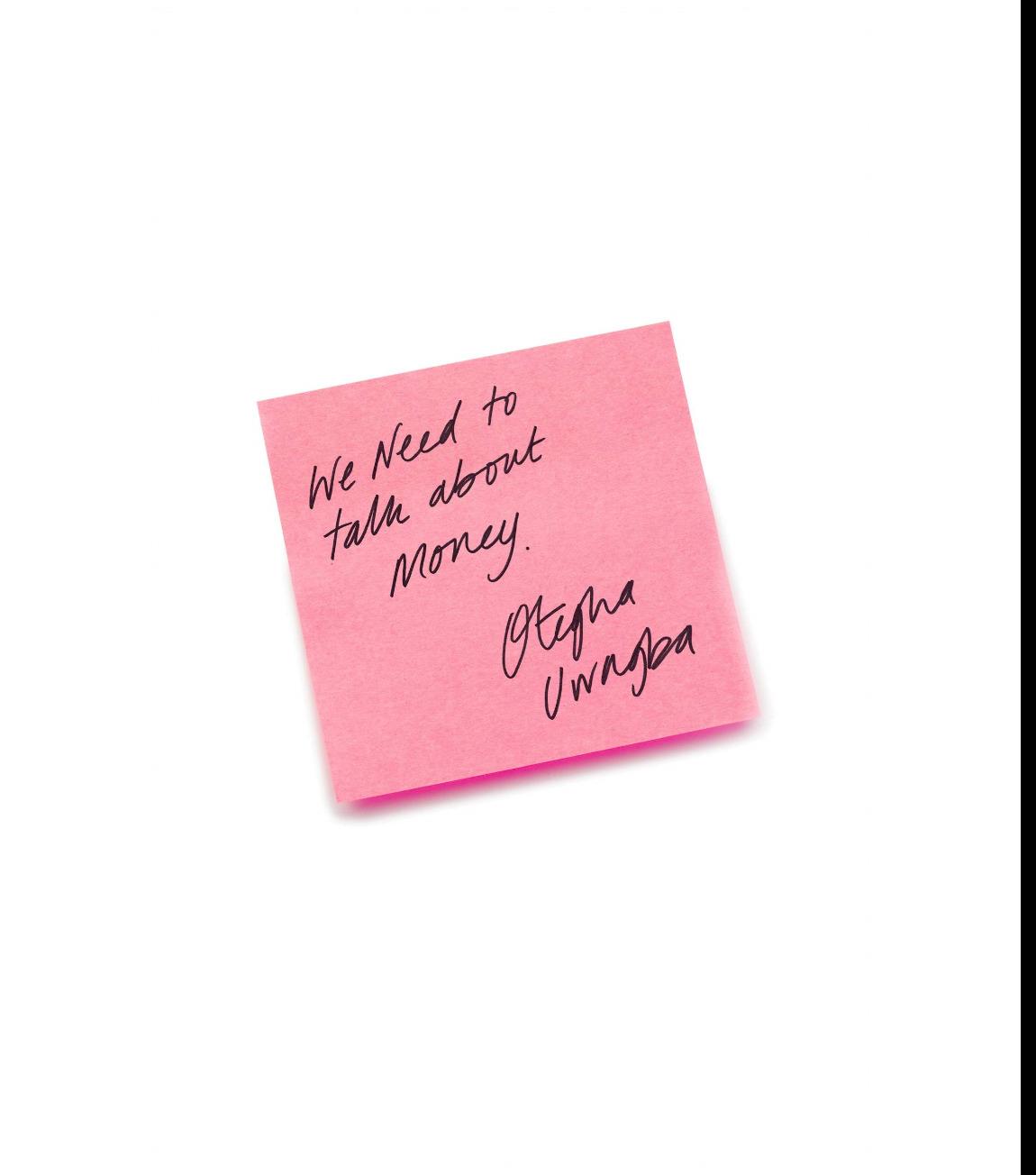
Trending on BookTok We Need to Talk About Money by Otegha Uwagba
Party |
2026-06-16 04:53:00
 Advertise With Us
 About Us
 Terms And Conditions
 Politique de confidentialité
Tout voir
Politique de confidentialité
Tout voir

Mise à niveau vers Pro
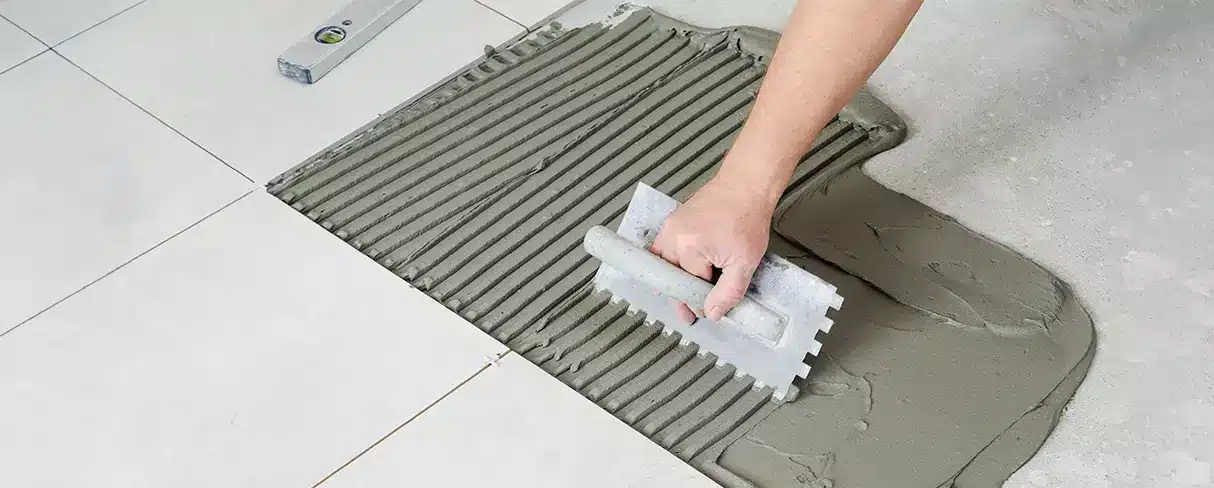
Tiles play a major role in the beauty, durability, and strength of modern homes and commercial spaces. Whether it is a bathroom wall, kitchen floor, balcony, office lobby, or outdoor area, the quality of tile installation determines how long the surface will last. One of the biggest reasons behind cracked tiles, hollow sounds, and loose flooring is the use of poor-quality bonding material. This is where choosing the right Tile Adhesive for the Wall and Floor becomes extremely important.
Traditional cement mortar is no longer the preferred solution for modern tile installation. Today’s large-format vitrified tiles, ceramic tiles, porcelain tiles, and stone surfaces require advanced bonding technology for better grip and durability. A premium tile adhesive provides stronger bonding, water resistance, flexibility, and long-term performance.
At Ps Cube Industries, we understand the challenges contractors, builders, and homeowners face during tile installation. That is why choosing the correct adhesive solution is essential for achieving a crack-free and long-lasting finish.
Many people still use traditional cement and sand mixtures for fixing tiles. While this method was common in older construction practices, it often creates long-term problems in modern applications. Cement mortar does not provide uniform bonding, especially for vitrified and heavy tiles. Over time, tiles may loosen, develop gaps, or absorb moisture.
Another major issue is uneven application. Cement mortar creates air gaps beneath the tiles, leading to hollow sounds and weak support. In high-moisture areas such as bathrooms and kitchens, poor bonding can result in water seepage and tile damage.
Modern construction demands advanced materials that offer flexibility and stronger adhesion. This is why professionals now prefer tile adhesive for wall and floor installations instead of conventional mortar methods.
Tile adhesive is a specially formulated bonding material designed to fix tiles securely on floors and walls. It contains cement, graded sand, polymers, and performance-enhancing chemicals that improve bonding strength and durability.
Unlike ordinary cement mixtures, tile adhesive ensures even coverage and better grip. It is suitable for ceramic tiles, vitrified tiles, porcelain tiles, marble, granite, and natural stone surfaces. High-quality adhesives also resist water, temperature changes, and heavy foot traffic.
Today, architects and contractors prefer tile adhesive because it reduces installation errors and improves project quality.
One of the biggest advantages of using a quality tile adhesive is its superior bonding capability. It firmly holds tiles in place and minimizes the risk of cracking or loosening over time. This becomes especially important for large-format and heavy tiles used in modern interiors.
A premium tile adhesive for wall and floor applications increases the life of tiled surfaces. It can handle heavy loads, foot traffic, moisture exposure, and daily wear without losing its strength.
Bathrooms, kitchens, terraces, and balconies are constantly exposed to moisture. Advanced tile adhesive formulations help prevent water penetration and protect the surface from damage.
Tile adhesive is easier to apply than traditional cement mortar. It saves time during installation and reduces labor effort. Contractors can achieve better leveling and cleaner finishing with less material wastage.
Modern vitrified and porcelain tiles have low porosity, making them difficult to bond with ordinary cement. Tile adhesive is specially designed to provide proper adhesion for these surfaces.
Different tile applications require different adhesive types. Selecting the wrong adhesive can lead to installation failure and costly repairs.
Wall tiles require lightweight yet strong bonding material to prevent slipping. Adhesives used for vertical surfaces must offer excellent grip and flexibility.
Floor tiles face constant pressure and movement. Adhesives for flooring applications must provide high compressive strength and durability.
Outdoor surfaces experience temperature changes, rain, and moisture exposure. Flexible and waterproof adhesives are ideal for terraces, balconies, and exterior walls.
Large-format tiles require high-performance adhesives with strong bonding properties. These adhesives help distribute weight evenly and reduce stress on the surface.
At Ps Cube Industries, quality construction materials are selected to meet modern building requirements and ensure reliable performance.
Loose tiles are usually caused by poor bonding or improper adhesive application. Using a high-quality tile adhesive for wall and floor surfaces ensures better adhesion and long-term stability.
Hollow sounds occur when air gaps remain beneath the tile surface. Proper adhesive spreading with the right trowel technique helps eliminate these gaps.
Tiles crack due to uneven support, heavy impact, or substrate movement. Flexible adhesives reduce stress and improve durability.
Water seepage damages both tiles and underlying surfaces. Waterproof tile adhesives provide additional protection against moisture-related issues.
Wall tiles may slip during installation if the adhesive lacks proper grip. High-performance adhesives are specially designed to hold tiles securely on vertical surfaces.
Surface preparation is one of the most important steps before tile installation. The surface should be clean, dry, level, and free from dust or grease. Uneven surfaces can weaken the adhesive bond and affect tile alignment.
Mixing the adhesive correctly is equally important. Always follow the manufacturer’s instructions regarding water ratio and mixing time. Overwatering reduces bonding strength and durability.
Use the correct trowel size according to tile dimensions. Proper adhesive spreading ensures full tile coverage and minimizes hollow areas beneath the surface.
After placing the tiles, allow adequate curing time before exposing the area to water or heavy traffic. This helps the adhesive achieve maximum strength.
The construction industry has evolved rapidly over the years. Builders now focus on faster project completion, stronger materials, and long-term reliability. Traditional installation methods often fail to meet these expectations.
Modern tile adhesives improve work efficiency and provide consistent results. They reduce tile wastage, minimize maintenance costs, and improve overall surface durability. Contractors also benefit from easier application and cleaner installation processes.
The demand for premium tile adhesive for wall and floor applications is increasing because property owners now prioritize quality, aesthetics, and durability.
Modern interior designs use larger tiles, seamless finishes, and designer wall concepts. These advanced designs require reliable adhesive technology for proper installation.
Luxury bathrooms, modular kitchens, commercial showrooms, and office spaces often use vitrified and porcelain tiles that need strong bonding support. Flexible adhesives help maintain the appearance and structural integrity of these surfaces for years.
As modern architecture continues to evolve, high-performance tile adhesive solutions have become a necessity rather than an option.
Choosing the right construction material supplier is just as important as selecting the right adhesive. Ps Cube Industries focuses on delivering reliable and quality-driven building material solutions for modern construction needs.
From residential homes to commercial projects, quality materials help improve durability, efficiency, and long-term value. By understanding current construction challenges and customer expectations, Ps Cube Industries supports better building practices and dependable results.
Tiles enhance the appearance and functionality of any space, but their durability depends heavily on the installation method and bonding material used. Poor-quality mortar and improper installation can lead to cracks, hollow sounds, water seepage, and expensive repairs.
Using a premium tile adhesive for wall and floor applications ensures stronger bonding, improved durability, water resistance, and long-lasting performance. Whether you are renovating your home or working on a large commercial project, investing in the right adhesive solution is essential for achieving professional results.
Modern construction demands advanced materials that deliver reliability, efficiency, and durability. By choosing quality products and trusted suppliers like Ps Cube Industries, you can ensure safer, stronger, and more attractive tiled surfaces for years to come.
1. What is the best tile adhesive for wall and floor applications?
The best tile adhesive depends on the tile type, surface area, and environmental conditions. Polymer-modified adhesives are commonly preferred for strong bonding and durability.
2. Can tile adhesive be used instead of cement?
Yes, tile adhesive is a better alternative to traditional cement mortar because it offers stronger bonding, better flexibility, and improved water resistance.
3. Is tile adhesive waterproof?
Many modern tile adhesives provide water-resistant properties, making them suitable for bathrooms, kitchens, balconies, and outdoor applications.
4. How long does tile adhesive last?
A high-quality tile adhesive can last for many years when applied correctly on a properly prepared surface.
5. Why do professionals prefer tile adhesive for wall and floor installations?
Professionals prefer tile adhesive because it improves installation quality, reduces tile failure, saves time, and provides long-lasting performance.