English
 Arabic
 French
 Spanish
 Portuguese
 Deutsch
 Turkish
 Dutch
Dutch
 Italiano
 Russian
 Romaian
 Portuguese (Brazil)
 Greek
Greek
Specialty Mineral Salt Innovations Reshaping US Boutique Salt Market
Food |
2026-05-05 09:31:11
 Advertise With Us
 About Us
 Terms And Conditions
 Privacy Policy
Mostra tutti i risultati
Privacy Policy
Mostra tutti i risultati

Passa a Pro
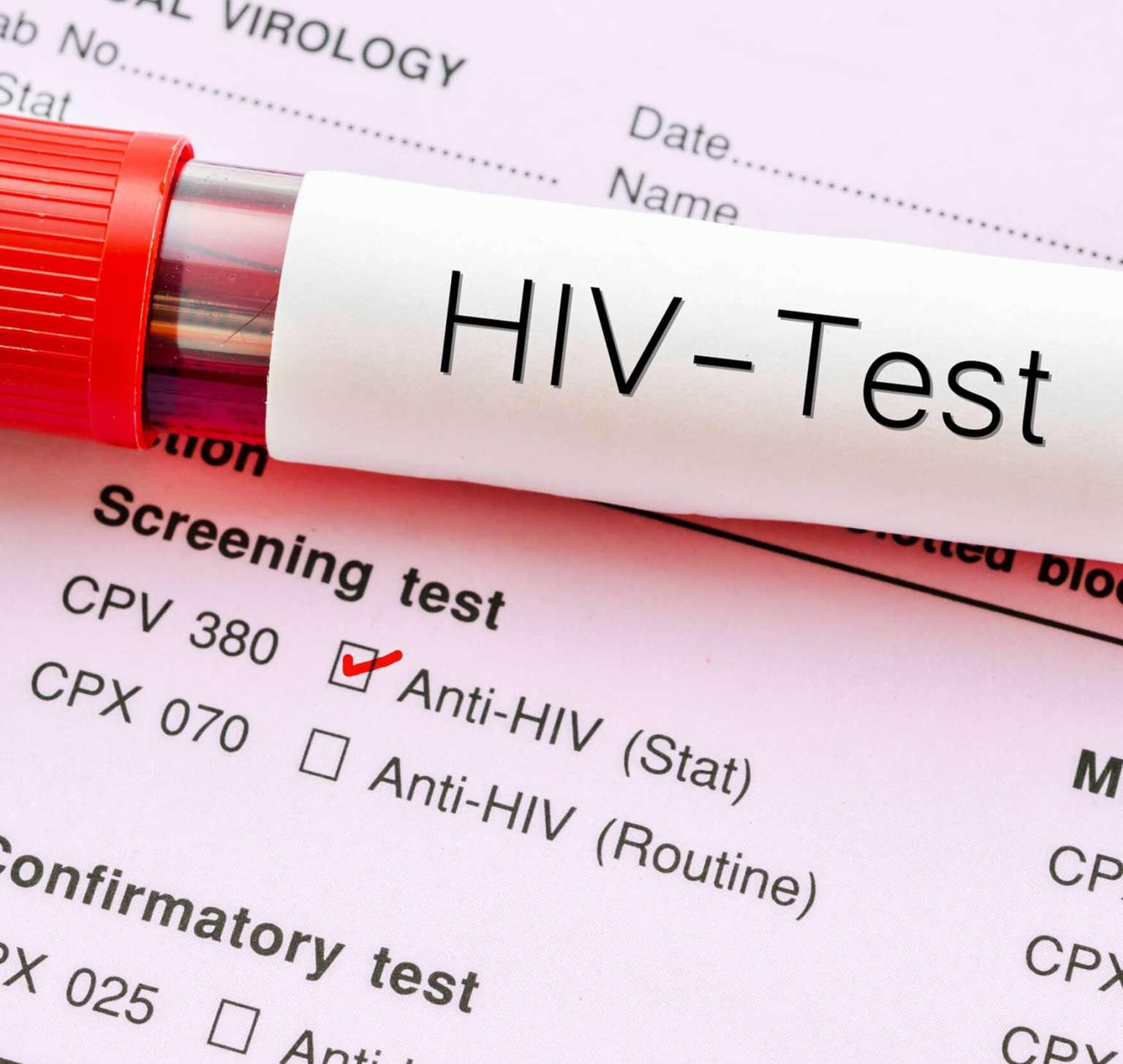
How often you should have an HIV test depends on your individual circumstances, potential exposure, sexual health history, and healthcare recommendations. Some people may only need testing occasionally, while others may benefit from more regular screening.
If you are considering an HIV Test in Dubai, understanding when repeat testing may be appropriate can help you make informed decisions about your health.
HIV can sometimes remain without noticeable symptoms. A person may feel healthy while living with HIV, making testing an important way to identify an infection.
Regular screening can also provide reassurance and help people access medical care earlier when testing identifies an infection.
No. There is no single testing schedule that is appropriate for everyone.
The frequency of testing depends on individual circumstances and whether there has been a new potential exposure.
If you have experienced a potential HIV exposure, your healthcare professional may recommend testing based on when the exposure occurred and which test is being used.
An initial test may be performed, followed by repeat testing when appropriate because of the HIV window period.
The window period is the time between potential infection and when a specific HIV test can reliably detect infection.
Testing too soon after exposure may produce a negative result even when infection is present. Your healthcare professional can explain when testing should be repeated.
People who have new sexual partners may choose to discuss HIV and STI testing as part of their sexual health planning.
Testing can be particularly useful when partners do not know their current HIV status or when there have been potential exposures since previous testing.
People with multiple sexual partners may benefit from more frequent sexual health screening depending on their circumstances.
The appropriate testing frequency varies from person to person. A healthcare professional can recommend a screening schedule based on your individual situation.
An STD Test in Dubai may include HIV testing alongside screening for other sexually transmitted infections.
If you regularly undergo STI screening, ask your healthcare provider which infections should be included and how frequently you should be tested.
If your partner has HIV, discussing testing and prevention with a healthcare professional can be helpful.
When a person living with HIV takes effective treatment and maintains an undetectable viral load, HIV is not sexually transmitted. This is known as U=U, or Undetectable = Untransmittable.
If you have had unprotected sex and are concerned about HIV, consider seeking professional medical advice.
The appropriate testing schedule depends on the timing of the encounter and the type of test used. If the exposure was recent, PEP may be considered for certain exposures and is time-sensitive.
Yes.
You do not need symptoms to have HIV. Some people can remain without noticeable symptoms for an extended period.
Testing is therefore more useful than waiting for symptoms to appear when there has been a potential exposure or when screening is otherwise recommended.
Common HIV testing methods include fourth-generation antigen/antibody tests, antibody tests, and nucleic acid tests.
Fourth-generation tests detect HIV antibodies and the p24 antigen, while NATs detect HIV genetic material. The appropriate test depends on the circumstances and timing of possible exposure.
A previous negative HIV test reflects your status at the time of that test.
If you have had a new potential exposure since then, another test may be appropriate. If the previous test was performed during a window period, repeat testing may also be recommended.
A reactive HIV screening result does not automatically confirm HIV infection.
Additional confirmatory testing is required. If infection is confirmed, modern HIV treatment can effectively control the virus and support long-term health.
Yes. For people who have ongoing concerns about sexual health, appropriate screening can provide useful information and reduce uncertainty.
However, testing frequency should be based on individual circumstances rather than testing excessively without considering exposure timing.
Speak with a healthcare professional if you are unsure when to test, recently had a potential exposure, have questions about a previous result, or want to establish a regular STI screening routine.
If the exposure was very recent, seek advice promptly because time-sensitive preventive treatment may be available in certain situations.
The right HIV testing frequency varies from person to person. New sexual partners, potential exposures, ongoing risk factors, and the timing of previous tests can all influence when screening is appropriate. If you are considering an HIV Test in Dubai, a qualified healthcare professional can help you choose the right test and establish an appropriate testing schedule based on your circumstances.