English
 Arabic
 French
 Spanish
 Portuguese
 Deutsch
 Turkish
 Dutch
Dutch
 Italiano
 Russian
 Romaian
 Portuguese (Brazil)
 Greek
Greek
Trending on BookTok The Wingman by Stephanie Archer
Travel |
2026-06-25 07:06:37
 Advertise With Us
 About Us
 Terms And Conditions
 سياسة الخصوصية
عرض كل النتائج
سياسة الخصوصية
عرض كل النتائج

ترقية الحساب
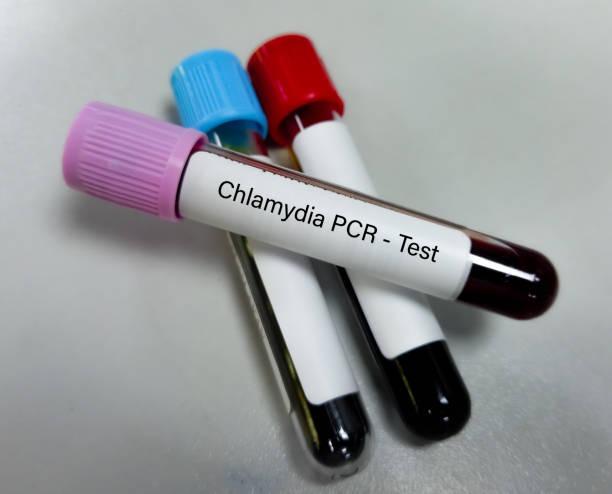
Sexually transmitted infections can sometimes develop without noticeable symptoms, which makes regular and appropriate screening an important part of sexual health. If you have concerns about a possible infection, a Chlamydia Test in Dubai can help determine whether Chlamydia trachomatis is present.
Certain symptoms, exposure situations, and changes in your sexual health may indicate that it is time to speak with a healthcare professional about STI testing.
One possible sign that may warrant STI evaluation is unusual discharge from the vagina or penis.
The amount, color, consistency, and odor can vary depending on the underlying cause. Chlamydia is only one possible cause, so laboratory testing is important for determining the reason for the discharge.
Burning or discomfort when urinating can occur with chlamydia and several other infections.
If this symptom develops after a potential sexual exposure, discuss it with a healthcare professional. They can determine whether chlamydia testing or additional STI screening is appropriate.
Some women with chlamydia may experience pelvic or lower abdominal discomfort.
Pelvic pain can have many possible causes, so it should not automatically be attributed to an STI. A healthcare professional can evaluate the symptoms and recommend appropriate tests.
Men experiencing unexplained testicular pain or swelling should seek medical evaluation.
These symptoms can have several causes, some of which may require prompt treatment. A healthcare professional can determine whether chlamydia or another infection needs to be investigated.
Unexpected bleeding between menstrual periods or bleeding after sexual activity can have different causes.
If this occurs alongside other symptoms or following a potential STI exposure, discuss it with a healthcare professional. Appropriate testing can help identify or rule out possible infections.
An STD Test in Dubai may be appropriate after a potential exposure to an STI, even when no symptoms are present.
The timing and type of testing depend on the infection being considered and the circumstances of the exposure. A healthcare professional can recommend suitable tests and explain when testing should be performed.
If a current or recent sexual partner tells you they have been diagnosed with chlamydia, contact a healthcare professional.
You may need evaluation and testing even if you feel completely healthy because chlamydia can occur without symptoms.
Having a new sexual partner does not automatically mean you have an STI. However, discussing sexual health and appropriate screening can be useful, particularly when STI status is unknown.
Your healthcare professional can help determine which screening tests are appropriate based on your individual circumstances.
Sexual contact without appropriate barrier protection can increase exposure to STIs.
If you are concerned about a recent exposure, speak with a healthcare professional rather than waiting for symptoms to appear. Some infections may remain asymptomatic.
A previous STI does not protect you from future infections.
If you have previously been diagnosed with chlamydia or another STI, discuss appropriate screening with your healthcare professional, particularly after a new potential exposure.
Feeling healthy does not necessarily mean that you do not have an STI.
Chlamydia can occur without noticeable symptoms. Testing may therefore be appropriate in certain situations even when there are no obvious signs of infection.
Chlamydia is commonly detected using nucleic acid amplification tests, known as NAATs.
Depending on the suspected site of infection, testing may involve urine or a swab. The appropriate sample is selected based on symptoms and exposure history.
No. Different sexually transmitted infections require different tests.
A negative chlamydia result does not automatically rule out infections such as gonorrhea, syphilis, HIV, or other STIs. If you are concerned about your overall sexual health, ask your healthcare professional which screening tests are appropriate.
Once your sample has been analyzed, you will receive a result according to the testing provider's process.
If chlamydia is detected, a healthcare professional can recommend appropriate treatment and provide advice about sexual partners. If the result is negative but symptoms continue, additional evaluation may be necessary.
Using appropriate barrier protection, discussing STI status with partners, and getting tested when recommended can help reduce the risk of STI transmission.
If you receive a positive result, follow your healthcare professional's treatment and partner-management advice.
Seek medical advice if you develop unexplained genital symptoms, have a partner diagnosed with an STI, or believe you have experienced a potential sexual exposure.
Early professional evaluation can help determine whether testing is appropriate and which tests should be performed.
Unusual discharge, burning during urination, pelvic discomfort, testicular symptoms, unexpected bleeding, or a known exposure can all be reasons to discuss STI screening with a healthcare professional. Since chlamydia can also occur without symptoms, waiting for signs of infection is not always appropriate. If you are considering a Chlamydia Test in Dubai, professional testing can help provide clearer answers about your sexual health.