English
 Arabic
 French
 Spanish
 Portuguese
 Deutsch
 Turkish
 Dutch
Dutch
 Italiano
 Russian
 Romaian
 Portuguese (Brazil)
 Greek
Greek
FYP Book Power Play by Chelsea Curto
Party |
2026-06-15 05:36:51
 Advertise With Us
 About Us
 Terms And Conditions
 Privacy Policy
Mostra tutti i risultati
Privacy Policy
Mostra tutti i risultati

Passa a Pro
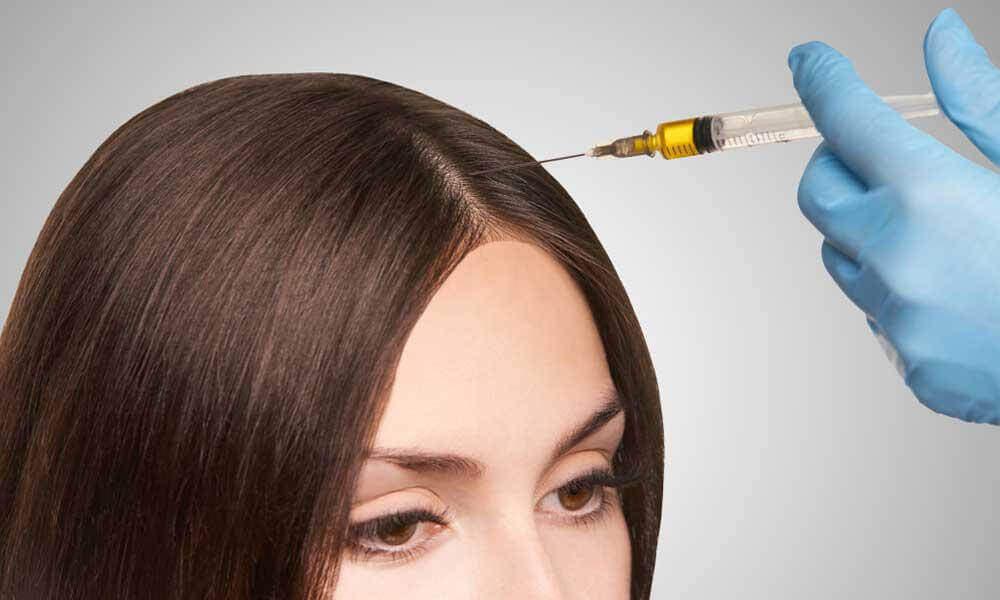
Hair loss can affect people at different stages of life, and the experience is not always the same for everyone. Some people notice gradual thinning across the scalp, while others may see a widening part, a receding hairline, or increased hair shedding. When these changes become noticeable, many people begin looking for treatments that can support their existing hair without undergoing surgery.
PRP hair treatment in Dhabi is a popular non-surgical option that focuses on using the body's own biological components to support hair follicles. PRP stands for platelet-rich plasma. It is prepared from a small sample of the patient's own blood and contains a concentrated amount of platelets and growth-related substances.
Unlike a traditional hair transplant, PRP does not involve removing and transplanting hair follicles. Instead, it aims to create a supportive environment around existing follicles. This makes it an interesting option for people experiencing certain types of thinning hair.
Platelet-rich plasma is a component of blood that contains a higher concentration of platelets than regular plasma. Platelets are naturally involved in the body's repair processes and contain various growth factors.
During PRP hair treatment, a small blood sample is collected and processed to separate the platelet-rich plasma. The prepared PRP is then introduced into selected areas of the scalp.
The purpose is to deliver these concentrated biological components close to weakened or thinning hair follicles. Over time, this may help support follicular activity and improve the appearance of hair density in suitable individuals.
Surgical hair restoration can be an effective option for certain types of advanced hair loss, but it is not the only approach available. Some people prefer to explore less invasive treatments before considering surgery.
PRP has several characteristics that make it appealing:
However, PRP is not appropriate for every type of hair loss. A professional assessment is important before treatment.
Hair follicles naturally move through different stages of growth, transition, and rest. Various factors can interfere with this cycle and contribute to thinning.
PRP is intended to support the environment surrounding existing follicles. The growth-related components in platelet-rich plasma may encourage biological processes associated with tissue repair and follicular support.
The objective is not to instantly create new hair. Instead, PRP focuses on helping existing follicles function in a more favorable environment.
This distinction is important when developing realistic expectations.
PRP may be considered by adults experiencing certain forms of hair thinning or reduced hair density.
People with early-stage or moderate thinning may sometimes be suitable because active follicles may still be present. The treatment may be less appropriate when follicles have been permanently lost.
Possible reasons for considering PRP include:
People who notice that their hair is becoming progressively finer may explore PRP as a supportive treatment.
If the scalp is becoming more visible through the hair, a professional assessment can determine whether PRP may be useful.
Some people seek treatment when individual hair strands appear thinner than they previously were.
PRP may be considered as part of a broader strategy after identifying possible contributing factors.
Understanding the treatment stages can make the experience easier.
The process generally begins with a detailed assessment of the scalp and hair. The pattern of thinning, hair history, previous treatments, medications, and expectations may be discussed.
A small amount of blood is collected from the patient. This sample provides the material needed to prepare the PRP.
The blood sample is processed using specialized equipment to separate the platelet-rich plasma from other blood components.
The treatment area is prepared before the PRP is introduced.
The prepared plasma is carefully introduced into selected areas of the scalp. The technique used may vary according to the treatment plan.
After the session, patients receive appropriate instructions regarding scalp care and normal activities.
There are several reasons people choose PRP as a hair restoration option.
One of the distinctive aspects of PRP is that the plasma is derived from the patient's own blood.
PRP involves small injections rather than surgical incisions and follicle transplantation.
The treatment aims to support follicles that are still present and potentially responsive.
Because PRP is not a major surgical procedure, it generally does not require a prolonged recovery period.
Treatment areas and session plans can be adapted according to individual hair concerns.
It is important not to view PRP as a guaranteed permanent solution for hair loss.
Hair loss can have ongoing causes, particularly when genetics or hormonal factors are involved. Even when a person responds positively to treatment, maintaining healthy hair may require continued attention.
The treatment schedule and need for maintenance can differ from person to person.
A consultation can help establish realistic expectations based on the individual's hair condition.
Some temporary effects may occur after PRP injections. These can include mild redness, tenderness, swelling, or sensitivity around the treated areas.
Such effects are generally temporary, but patients should follow their individualized aftercare instructions.
It is also important to avoid judging the treatment too quickly. Hair grows gradually, so visible changes may take time.
PRP does not produce instant hair growth.
The scalp and follicles need time to respond, and the natural hair-growth cycle develops over weeks and months. Some people may notice improvements in hair texture or shedding before they see a visible change in density.
A series of sessions may be recommended depending on the patient's condition and response to treatment.
Results vary from one individual to another.
Several factors can affect the outcome of PRP hair treatment.
Different types of hair loss can respond differently to treatment.
People with active but weakened follicles may have different outcomes from those with advanced permanent follicle loss.
Age-related changes can influence the condition and activity of hair follicles.
Nutrition, stress, sleep, and general health can affect hair quality.
Following the recommended treatment and aftercare plan can be important for achieving the best possible response.
Hair thinning can affect both men and women.
Men may notice thinning around the hairline, temples, or crown, while women may experience reduced overall density or a widening part.
The treatment approach should be based on the person's individual pattern rather than simply their gender.
A professional evaluation helps determine the most suitable strategy.
Professional treatment is only one part of maintaining healthy-looking hair.
A balanced diet containing adequate nutrients, gentle hair care, appropriate scalp hygiene, stress management, and avoiding excessive heat or chemical damage may all contribute to healthier hair.
If sudden or severe hair loss occurs, professional evaluation is particularly important because an underlying cause may need attention.
The quality of the treatment experience depends on more than the procedure itself. Patients should consider whether the clinic provides appropriate consultation, hygiene standards, individualized treatment planning, and clear aftercare guidance.
When exploring PRP hair treatment in Dubai, choosing a professional clinic can help ensure that the procedure is approached responsibly.
Tajmeels Clinic is an option for individuals who want to discuss their hair concerns and explore whether PRP may be suitable for their individual needs.
PRP involves small injections into the scalp, so some people may experience mild discomfort. Individual sensitivity varies, and appropriate techniques may be used to improve comfort.
The number of sessions depends on the individual's hair condition, treatment goals, and response. A personalized plan can be developed following a consultation.
PRP is not a guaranteed cure for every type of hair loss. It is primarily intended to support existing follicles and may be more appropriate for certain patterns of thinning.
PRP is generally considered minimally invasive, and many people can return to normal routines relatively quickly. Temporary redness or tenderness may occur.
Hair growth is gradual. Improvements may take several weeks or months, and individual results can vary.
PRP hair treatment in Dubai provides a non-surgical approach for people looking to support existing hair follicles and improve the appearance of thinning hair. By using platelet-rich plasma prepared from the patient's own blood, the treatment focuses on creating a supportive environment for follicular activity rather than surgically replacing hair.
The most important step is understanding whether PRP is appropriate for your particular type of hair loss. Professional assessment, realistic expectations, consistent aftercare, and a healthy hair routine can all contribute to a positive treatment experience. For those exploring personalized hair restoration options, Tajmeels Clinic can provide an environment to discuss concerns and learn more about PRP hair treatment.