English
 Arabic
 French
 Spanish
 Portuguese
 Deutsch
 Turkish
 Dutch
Dutch
 Italiano
 Russian
 Romaian
 Portuguese (Brazil)
 Greek
Greek
Trending Read Power Play by Chelsea Curto
Travel |
2026-06-26 03:44:02
 Advertise With Us
 About Us
 Terms And Conditions
 سياسة الخصوصية
عرض كل النتائج
سياسة الخصوصية
عرض كل النتائج

ترقية الحساب
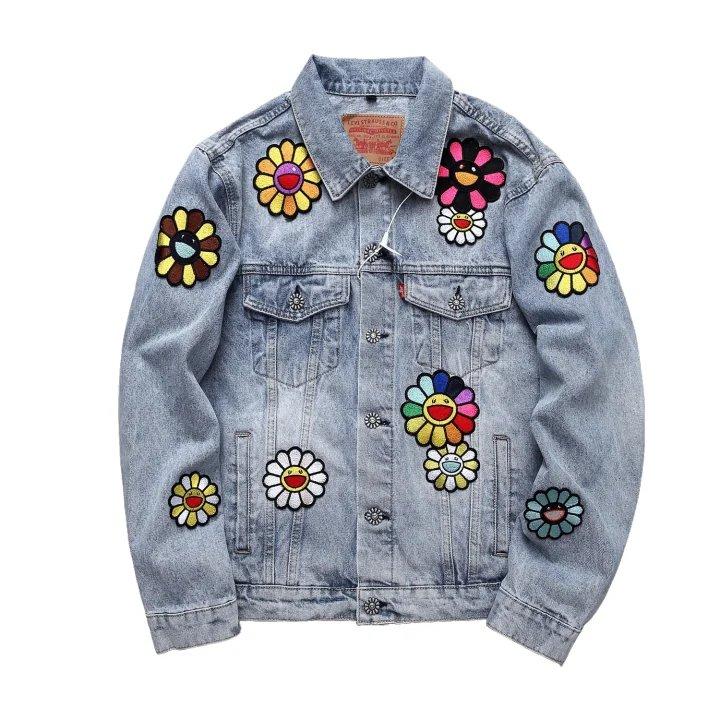
If you've scrolled through streetwear culture in the last few years, you've probably seen it: a pair of jeans or a hoodie covered in a wreath made of cotton flowers. That's Denim Tears, and it's arguably one of the few labels in fashion right now that's doing more than selling clothes. It's telling stories — about American history, Black identity, and culture — through denim, graphics, and collaborations that actually mean something.
This guide breaks down what Denim Tears is, why it's blown up the way it has, what makes it different from the hundred other streetwear labels fighting for shelf space, and how to actually buy it without getting burned. No fluff, no filler — just what you need to know if you're trying to understand or shop this brand in 2026.
Denim Tears is a New York-based fashion label founded by Tremaine Emory, a creative director and cultural figure who's worked with names across music, art, and fashion. The brand's whole identity is built around one idea: clothing can carry history. Where most streetwear brands lean on logos or hype-driven drops, Denim Tears leans on narrative — using garments to unpack parts of American and Black history that don't usually make it onto a T-shirt.
The brand's signature motif, the Cotton Wreath, is the clearest example of this. It reimagines the cotton flower — a symbol tied directly to slavery and the American cotton industry — as a decorative pattern on denim, sweatshirts, and accessories. It's confrontational and beautiful at the same time, which is exactly the point. You're not just wearing a graphic; you're wearing a piece of a conversation.
Streetwear is saturated. Everyone's got a logo hoodie and a "drop" strategy. What separates Denim Tears is that every collection has a thesis. Recent releases have tackled themes like the hidden history behind the Statue of Liberty, the struggles retired Black athletes face after their careers end, and parallels between the American Civil Rights Movement and Ireland's Troubles. This isn't marketing dressed up as meaning — Emory has been consistent about it since day one.
The brand also plays in a different lane through its collaborations. Partnerships with Levi's helped push Denim Tears into the mainstream conversation early on, and since then the label has worked with the likes of Dior, Comme des Garçons, Stüssy, and others — a mix of luxury houses and streetwear staples that few brands can move between as smoothly.
More recently, Denim Tears has expanded into full seasonal collections under its own name, including tributes to major cultural figures. A recent Fall/Winter collection, for instance, was built entirely around the late Vogue editor André Leon Talley — pulling directly from pieces in his personal wardrobe and released in partnership with his estate. It's this kind of specificity and respect for the people being honored that keeps the brand from feeling like a gimmick.
Beyond graphic apparel, the brand runs its own in-house denim program, simply called Denim Tears Denim. It's built on heavyweight fabrics — think 14 oz denim in washed finishes and lighter Japanese selvedge for raw, unwashed pairs — and every piece is cut, sewn, and finished domestically. The line includes trucker jackets, baggy fits, and accessories, often released with new finishes like jacquard-woven cotton wreath patterns layered right into the fabric instead of just printed on top.
This matters because it shows the brand isn't just about the graphic anymore. There's real investment in construction and material quality, which is part of why resale prices on certain pieces have stayed strong even years after release.
The fanbase spans further than typical streetwear circles. You'll see it on musicians, athletes, and creatives who are drawn to brands with a point of view, not just people chasing hype. Campaigns have featured cultural figures and even families — a recent campaign starred a legendary musician alongside her own children, framing the collection around themes of family and lineage rather than just product shots. That kind of casting is intentional; it reinforces the brand's whole message about generational history.
Denim Tears releases in limited quantities, which naturally creates a resale market — and with resale comes counterfeits. A few practical tips:
This comes down to what you value. You're not just paying for fabric — you're paying for design intent, limited production runs, and a brand that's genuinely trying to say something with its work. If you want a plain hoodie, there are cheaper options everywhere. If you want a piece that's part of an ongoing cultural conversation, Denim Tears earns its price tag more than most streetwear labels currently do.
Denim Tears https://denimtearsclothing.com/ isn't just another name in the streetwear rotation — it's a brand that's used fashion as a vehicle for education and reflection without losing its wearability or its cool factor. Whether you're drawn to it for the storytelling, the collaborations, or simply the design, it's a label worth understanding, especially as it keeps expanding into new categories like its own denim program and larger seasonal collections. Keep an eye on official channels for restocks, since pieces move fast and rarely come back at retail price.
1. What is the Denim Tears cotton wreath symbol? It's a graphic reimagining of the cotton flower, referencing the history of cotton and slavery in America.
2. Who founded Denim Tears? Tremaine Emory, a creative director known for his work across fashion, music, and art.
3. Where can I buy authentic Denim Tears? Directly through denimtears.com or verified retailers like Levi's, END., and select boutique stockists.
4. Is Denim Tears true to size? Most pieces, especially denim, run in relaxed or baggy fits, so many buyers size down for a more fitted look.
5. Why is Denim Tears so expensive? Limited production runs, premium denim fabrication, and collaboration-driven designs keep prices and resale value high.
6. Does Denim Tears restock sold-out items? Occasionally, but restocks are unpredictable and usually sell out quickly again.
7. What's the difference between Denim Tears and Denim Tears Denim? Denim Tears is the full apparel label; Denim Tears Denim is its dedicated in-house denim program with heavyweight and selvedge fabrics.
8. Has Denim Tears collaborated with any luxury brands? Yes, including Dior, Comme des Garçons, and Levi's, alongside streetwear names like Stüssy.
9. How do I spot fake Denim Tears? Check embroidery quality on the cotton wreath, compare tags to official photos, and buy from authenticated resale platforms.
10. Is Denim Tears only about clothing with cotton graphics? No — collections also explore themes like civil rights history, Black athletes, and tributes to cultural icons through varied designs beyond the wreath motif.