Hair Transplant in Buraydah: Suitability Criteria for Different Stages of Hair Loss
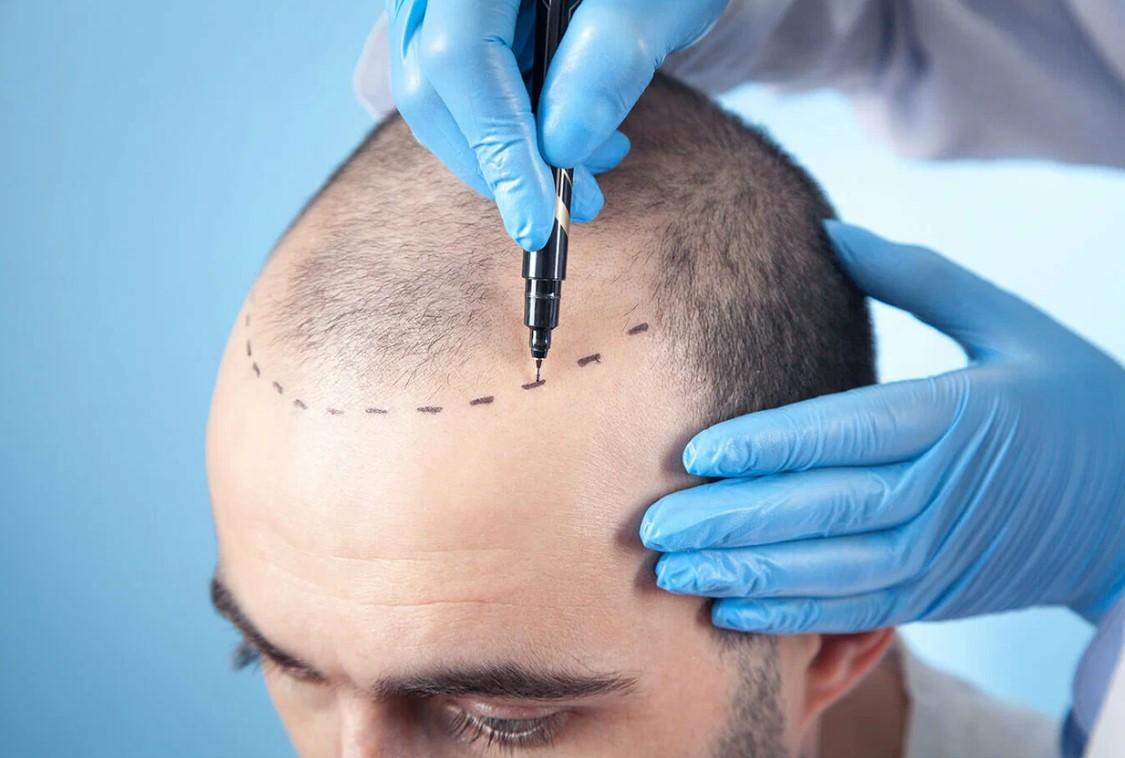
Hair loss affects people differently, and not every individual is at the same stage when they consider a hair transplant. In Buraydah, as in many parts of Saudi Arabia, modern hair restoration techniques such as FUE (Follicular Unit Extraction) and FUT (Follicular Unit Transplantation) are widely used. However, the success of a hair transplant depends heavily on whether a person is actually suitable for the procedure. Hair transplant in Buraydah offers modern solutions for restoring natural hair growth and improving confidence.
Understanding the suitability criteria for different stages of hair loss helps patients avoid poor results, manage expectations, and choose the right treatment at the right time.
Why Suitability Matters Before a Hair Transplant
A hair transplant is not a universal solution for every type of hair loss or every stage of baldness. It is a strategic surgical procedure that depends on:
- Stability of hair loss
- Donor hair availability
- Pattern of baldness
- Age and future hair loss risk
- Overall health condition
If performed at the wrong stage, results may look unnatural or require multiple corrective procedures later.
Understanding Hair Loss Stages (Norwood Scale Overview)
Most male pattern hair loss is classified using the Norwood scale, which helps doctors evaluate severity:
- Stage 1–2: Early recession
- Stage 3: Noticeable hairline recession
- Stage 4: Moderate baldness
- Stage 5: Advanced hair loss
- Stage 6–7: Severe baldness
Each stage has different suitability criteria for hair transplantation.
Stage 1–2: Early Hair Loss (Usually Not Ideal for Surgery)
At this stage, hair loss is minimal and often just beginning.
Characteristics:
- Slight temple recession
- Mild thinning at hairline
- No major bald areas
Suitability for Hair Transplant:
In most cases, surgery is not recommended yet.
Why?
- Hair loss may still be progressing
- Donor hair should be preserved for future use
- Medical treatments may still work effectively
Recommended Approach:
- Medications like minoxidil or finasteride
- PRP therapy for strengthening hair
- Lifestyle improvements
Doctors in Buraydah often advise monitoring the condition before considering surgery.
Stage 3: Early Recession (Selective Candidates)
Stage 3 is where patients first seriously consider a hair transplant.
Characteristics:
- Clear M-shaped hairline
- Temple recession visible
- Mild to moderate density loss
Suitability Criteria:
Patients may be suitable if:
- Hair loss pattern is stable
- Donor area is strong
- Expectations are realistic
- Age is typically mid-20s or older
Treatment Approach:
- Small number of grafts (hairline restoration)
- Conservative hairline design
- Combination with medical therapy
At this stage, surgeons focus on natural hairline framing, not aggressive lowering.
Stage 4: Moderate Hair Loss (Good Candidates)
This is one of the most common stages for hair transplant procedures.
Characteristics:
- Significant frontal recession
- Early crown thinning
- Visible bald areas
Suitability Criteria:
Patients are usually good candidates if:
- Donor hair density is sufficient
- Hair loss is stable or slowing
- Patient understands long-term planning
Treatment Plan:
- 1,500 to 3,000+ grafts
- Hairline + mid-scalp restoration
- Possible staged procedures
This stage often provides highly successful and natural results when properly planned.
Stage 5: Advanced Hair Loss (Conditional Candidates)
At this stage, hair loss becomes extensive.
Characteristics:
- Large bald areas in front and mid-scalp
- Crown thinning becomes more visible
- Donor area still present but more limited
Suitability Criteria:
Hair transplant is possible if:
- Donor hair is strong enough
- Patient accepts reduced density outcome
- Priorities are defined (hairline vs full coverage)
Treatment Strategy:
- Focus on framing the face
- Prioritize frontal area over full scalp coverage
- May require multiple sessions
In Buraydah clinics, careful planning is essential at this stage to avoid overharvesting donor hair.
Stage 6: Severe Hair Loss (Carefully Selected Cases)
This stage involves major baldness across most of the scalp.
Characteristics:
- Large bald crown and frontal area
- Limited remaining hair on top
- Donor zone becomes critical resource
Suitability Criteria:
Patients may still be candidates if:
- Donor area is dense and healthy
- Expectations are realistic
- Cosmetic improvement is the main goal
Treatment Focus:
- Hairline reconstruction only
- Light coverage of mid-scalp
- Strategic graft placement
Full density restoration is usually not possible at this stage.
Stage 7: Very Advanced Baldness (Limited Suitability)
This is the most advanced stage of hair loss.
Characteristics:
- Almost complete baldness on top
- Very limited donor supply in some cases
Suitability Criteria:
Hair transplant is often not recommended or highly limited.
Why?
- Insufficient donor hair
- Risk of unnatural appearance
- Poor long-term coverage
Possible Alternatives:
- Beard or body hair transplant (in some cases)
- Scalp micropigmentation (SMP)
- Non-surgical hair systems
Female Hair Loss Suitability Criteria
Women experience different patterns of hair loss, often diffuse thinning rather than bald patches.
Suitable Candidates:
- Localized thinning areas
- Stable hair loss patterns
- Adequate donor density
Less Suitable Cases:
- Diffuse unpatterned hair loss
- Active medical conditions
- Temporary shedding (telogen effluvium)
Female hair transplant requires more detailed diagnosis before planning.
Key Factors That Determine Suitability
Regardless of stage, doctors in Buraydah evaluate several important factors:
1. Donor Hair Quality
The most important factor.
- Strong donor area = better results
- Weak donor area = limited transplant options
2. Stability of Hair Loss
Stable hair loss ensures long-term success.
- Stable = good candidate
- Rapid progression = delay recommended
3. Age of the Patient
Age affects planning strategy:
- Younger patients: conservative approach
- Older patients: more predictable results
4. Expectations and Goals
Patients must understand:
- Hair transplant improves appearance, not full density
- Results depend on graft limits
- Multiple sessions may be needed
5. Overall Health Condition
Conditions like diabetes, scalp infections, or autoimmune diseases may affect suitability.
When Hair Transplant Is NOT Recommended
A hair transplant may be avoided if:
- Hair loss is still rapidly progressing
- Donor area is weak or insufficient
- Patient has unrealistic expectations
- Temporary hair loss condition exists
- Medical issues affect healing
Importance of Professional Evaluation in Buraydah
A proper consultation with a hair restoration specialist is essential because:
- Each case is unique
- Online estimates are not accurate
- Donor assessment requires physical examination
- Long-term planning is necessary
Doctors create personalized plans based on hair loss stage and future risk.
Final Thoughts
Suitability for a hair transplant in Buraydah depends on more than just the level of baldness. While early stages may benefit from medical treatment and advanced stages may have limitations, stages 3 to 5 often provide the best balance between donor availability and visible improvement.
 English
 Arabic
 French
 Spanish
 Portuguese
 Deutsch
 Turkish
 Dutch
Dutch
 Italiano
 Russian
 Romaian
 Portuguese (Brazil)
 Greek
Greek
 Advertise With Us
 About Us
 Terms And Conditions
 Privacy Policy
See All
Privacy Policy
See All