English
 Arabic
 French
 Spanish
 Portuguese
 Deutsch
 Turkish
 Dutch
Dutch
 Italiano
 Russian
 Romaian
 Portuguese (Brazil)
 Greek
Greek
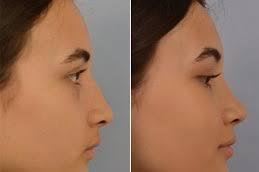
Rhinoplasty in Dubai: A Complete Guide to Achieving Natural-Looking Results
Health |
2026-07-21 04:35:39
 Advertise With Us
 About Us
 Terms And Conditions
 Politique de confidentialité
Tout voir
Politique de confidentialité
Tout voir

Mise à niveau vers Pro
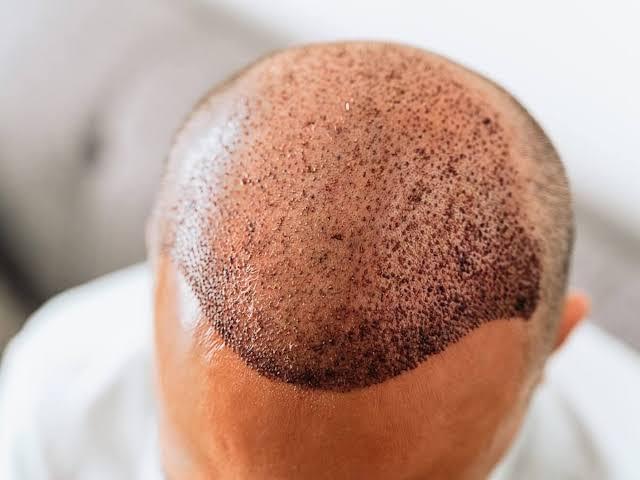
Hair loss is a common concern among men in Pakistan, particularly when thinning becomes noticeable at the hairline, crown, or top of the scalp. While some daily hair shedding is normal, persistent thinning or visible bald patches may indicate an underlying condition. Understanding the cause is an important first step before considering any treatment, including a Hair Transplant in Islamabad. Hair loss can result from genetics, hormones, nutrition, stress, medical conditions, or certain medications.
The most common cause of hair loss in men is androgenetic alopecia, commonly called male pattern hair loss. It is strongly influenced by genetics and can be inherited from either side of the family. In genetically susceptible men, hair follicles gradually become smaller, producing thinner and shorter hairs over time.
Male pattern hair loss often begins with a receding hairline or thinning around the temples. Some men also notice reduced density at the crown. Because this process can progress gradually, early assessment may help identify appropriate treatment options before significant permanent hair loss develops.
Hormones also play an important role in male pattern hair loss. In genetically susceptible follicles, sensitivity to dihydrotestosterone (DHT), an androgen hormone, contributes to follicle miniaturization. Over time, affected follicles produce progressively finer hair.
This is why two men of a similar age may experience very different levels of hair loss. Their genetic sensitivity to androgen activity can vary considerably.
Dietary factors can contribute to excessive shedding. Hair follicles require adequate protein, iron, and other nutrients to support normal growth. Very restrictive diets, inadequate calorie intake, or nutritional deficiencies may trigger increased shedding.
Vitamin D has also been investigated in relation to diffuse hair loss among Pakistani patients. However, hair loss should not automatically be attributed to vitamin deficiency. Testing and professional assessment can help determine whether a nutritional problem is actually present.
Taking hair supplements without confirming a deficiency is not always beneficial. Excessive amounts of certain nutrients may even contribute to hair loss.
Significant physical or emotional stress can affect the normal hair-growth cycle. High fever, major illness, surgery, rapid weight loss, or other physical stressors may be followed by increased shedding. This type of shedding can sometimes appear several weeks or months after the triggering event.
Stress-related shedding may improve when the underlying trigger is addressed, so it is important to distinguish temporary shedding from progressive genetic baldness.
Certain medical conditions can contribute to hair thinning or excessive shedding. Thyroid problems, nutritional deficiencies, scalp infections, autoimmune conditions, and other systemic illnesses may affect the hair-growth cycle.
For this reason, men experiencing sudden, patchy, or unusually rapid hair loss should consider professional evaluation rather than immediately assuming that genetics are responsible.
Lifestyle habits may also influence hair health. Smoking has been associated with inflammation and may worsen hair loss. Recent research has also identified associations between androgenetic alopecia and factors such as smoking, poor sleep, obesity, and metabolic health, although these factors do not necessarily mean that they directly cause male pattern baldness.
Maintaining a balanced diet, getting sufficient sleep, avoiding smoking, and managing stress can support overall health and may contribute to healthier hair.
Hair practices can sometimes contribute to hair damage or loss. Repeated pulling, harsh treatment, or hairstyles that place prolonged tension on the hair can damage follicles and contribute to traction-related hair loss. Scalp conditions such as fungal infections can also cause hair loss and require appropriate treatment.
Using gentle hair-care practices and addressing scalp problems early can help protect existing hair.
A hair transplant may be considered when hair loss is primarily permanent and sufficient healthy donor hair is available. However, not every type of hair loss requires transplantation. Temporary shedding caused by illness, stress, or nutritional problems may improve after the underlying cause is addressed.
A proper evaluation can help determine the pattern and severity of hair loss, donor-hair availability, and whether medical treatment or restoration procedures are appropriate. The American Academy of Dermatology notes that men with hereditary hair loss may have several treatment options, including medication and hair transplantation.
Male pattern hair loss, or androgenetic alopecia, is the most common cause of hair loss in men. Genetics and sensitivity of hair follicles to androgen hormones play major roles.
Yes. Significant emotional or physical stress can trigger increased shedding. However, stress-related shedding is different from progressive genetic male pattern baldness.
Yes. Inadequate protein, iron, calories, and certain nutrients can contribute to increased shedding. Testing can help identify whether a deficiency is present before taking supplements.
No. Treatment depends on the underlying cause. Some forms of hair loss may respond to medical treatment or correction of an underlying problem, while transplantation may be considered for suitable candidates with permanent hair loss.
Some causes can be managed, but hereditary hair loss cannot always be prevented. Identifying the cause early and discussing suitable treatment options with a qualified professional may help slow progression or preserve existing hair.
Hair loss in Pakistani men can have several causes, ranging from hereditary male pattern baldness and hormonal factors to nutritional deficiencies, stress, medical conditions, and lifestyle habits. Identifying the actual cause is essential before choosing a treatment. For men with permanent, pattern-based hair loss, a hair transplant may be one potential restoration option after an appropriate assessment. Understanding your individual hair-loss pattern can help you make a more informed decision about maintaining or restoring your hair.