English
 Arabic
 French
 Spanish
 Portuguese
 Deutsch
 Turkish
 Dutch
Dutch
 Italiano
 Russian
 Romaian
 Portuguese (Brazil)
 Greek
Greek
Teeth Whitening Procedures for Lasting Brightness
Health |
2026-07-13 06:08:50
 Advertise With Us
 About Us
 Terms And Conditions
 Privacy Policy
Mostra tutti i risultati
Privacy Policy
Mostra tutti i risultati

Passa a Pro
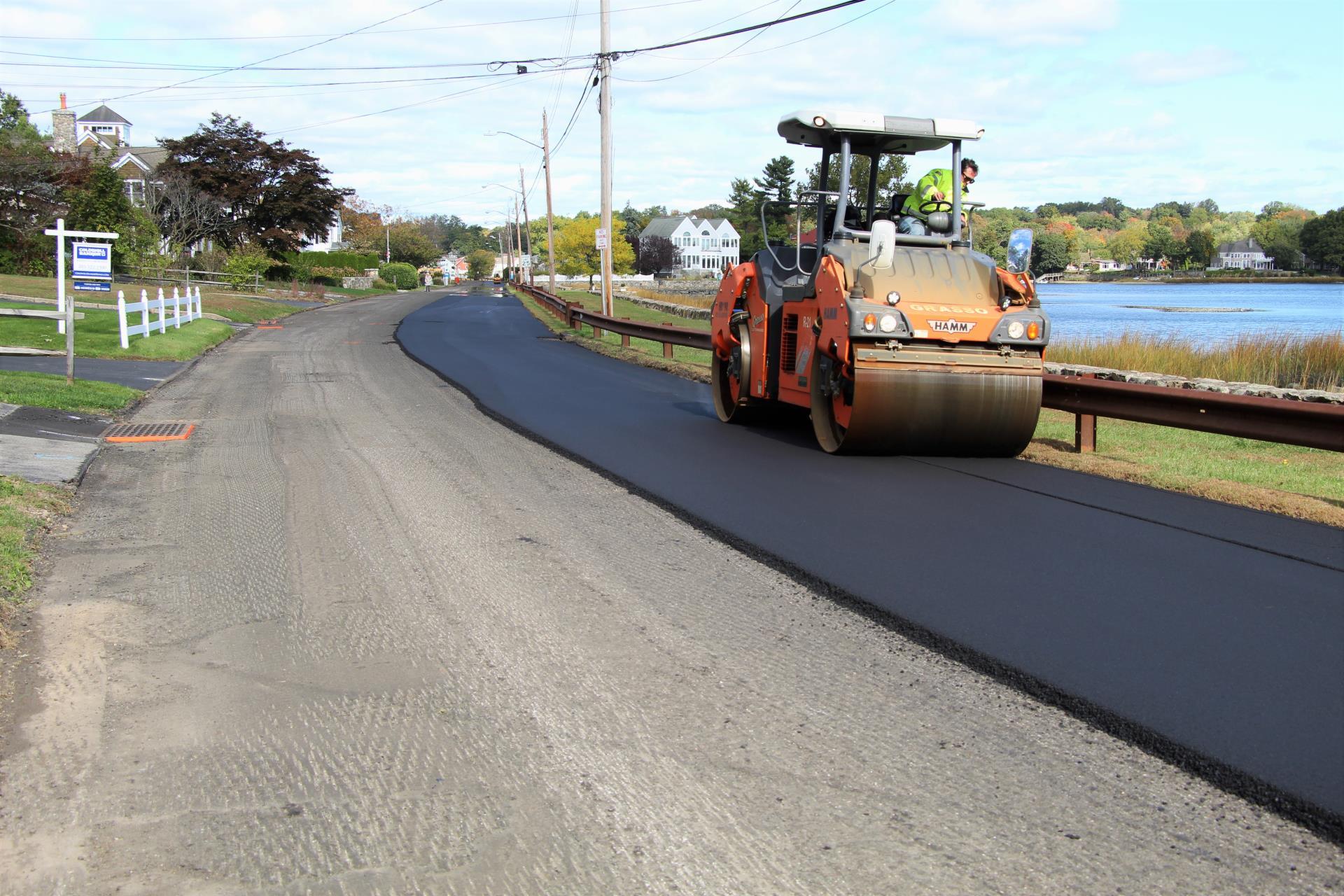
Street paving is an essential part of maintaining safe, accessible, and durable transportation infrastructure. Well-paved streets provide smoother driving surfaces, improve drainage, reduce hazards, and help communities accommodate daily vehicle and pedestrian traffic.
Professional street paving involves much more than placing asphalt. Proper planning, excavation, base preparation, grading, drainage, paving, and compaction all contribute to a long-lasting roadway.
Street paving is the construction, resurfacing, or rehabilitation of roads and streets using materials such as asphalt or concrete. The appropriate paving method depends on traffic levels, existing pavement conditions, soil, drainage, climate, and project requirements.
Common street paving services include:
A paving contractor evaluates the existing road, pavement damage, drainage, soil conditions, traffic requirements, and project specifications.
Damaged or unstable material may be removed before the roadway is graded. Proper grading helps establish the appropriate slope and supports effective water drainage.
A strong aggregate base provides structural support beneath the pavement. Proper compaction is important for reducing settlement and premature pavement failure.
Hot-mix asphalt is placed over the prepared foundation. The required pavement thickness depends on expected traffic and engineering requirements.
Heavy rollers compact the asphalt to achieve the required density and create a smooth, durable surface.
After paving, contractors may complete pavement markings, curbs, drainage features, transitions, and other necessary finishing work.
Not every damaged road requires complete reconstruction. When the underlying pavement remains structurally sound, milling and resurfacing can provide a new riding surface.
Milling removes a controlled amount of existing asphalt, allowing a new asphalt layer to be installed at the appropriate elevation.
Water is one of the major causes of pavement deterioration. Poor drainage can allow water to enter cracks and weaken the underlying base.
Proper grading, drainage structures, and maintenance can help protect the pavement and extend its service life.
Street paving projects in New York may involve municipal or transportation-agency requirements, particularly when work affects public streets, sidewalks, traffic patterns, or utilities.
Contractors working on these projects should understand applicable permitting, traffic-control, safety, and construction requirements.
Regular maintenance helps identify small problems before they become major pavement failures. Common maintenance services include:
Timely repairs can help preserve roadway quality and potentially reduce the need for expensive reconstruction.
When selecting a contractor, property owners, municipalities, and project managers should consider:
For major roadway projects, appropriate engineering and local regulatory requirements should also be considered.
Professional street paving creates safer and smoother roads while helping protect transportation infrastructure from traffic and weather-related deterioration. Whether a project involves new asphalt construction, resurfacing, milling, repairs, or complete reconstruction, proper preparation and installation are essential for achieving durable results. Regular inspections and preventative maintenance can further extend the useful life of a paved roadway.