English
 Arabic
 French
 Spanish
 Portuguese
 Deutsch
 Turkish
 Dutch
Dutch
 Italiano
 Russian
 Romaian
 Portuguese (Brazil)
 Greek
Greek
FYP Worthy Broken Dove by Dani Francis
Party |
2026-06-16 05:08:42
 Advertise With Us
 About Us
 Terms And Conditions
 Política de Privacidade
Ver Todos
Política de Privacidade
Ver Todos

Atualize para o Pro
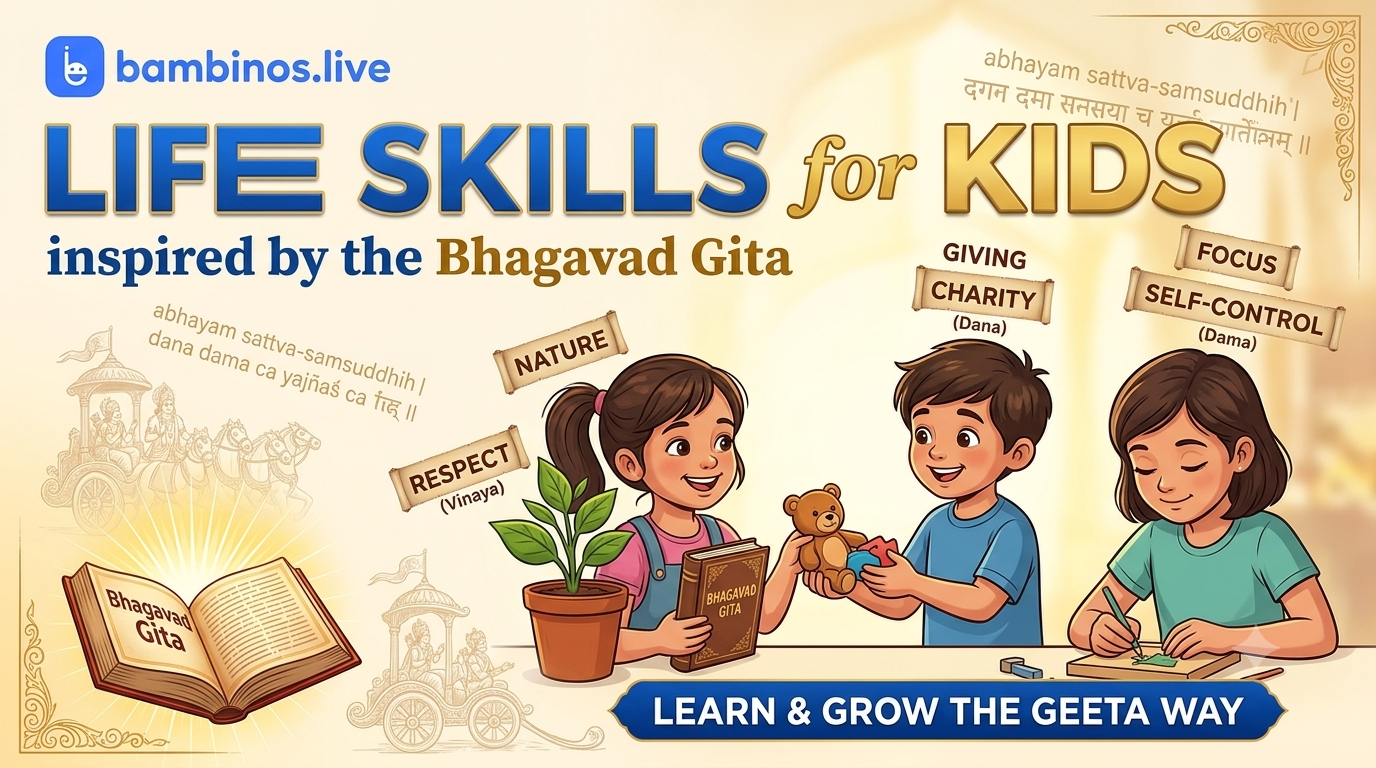
Life skills courses can help children learn communication, decision-making, problem-solving, teamwork, responsibility, and self-management. Children can practise these skills through conversations, stories, activities, role-play, and everyday situations. These skills can help children express their thoughts, make choices, solve problems, manage responsibilities, and work with others at home, school, and in social situations.
Children learn many academic subjects at school, but everyday situations also teach important skills. A child may know the answer to a question but still need support when explaining an opinion, handling a disagreement, making a decision, or completing a responsibility.
This is where life skills courses can help. Instead of only learning what to do, children can discuss situations, consider different choices, and understand possible outcomes.
Parents can support this learning through simple conversations and responsibilities at home. Bambinos.live can add structured learning through activities, stories, discussions, and guided exercises that allow children to practise these skills with teachers.
Life skills courses can help children learn practical skills such as communication, decision-making, problem-solving, responsibility, teamwork, and self-management. Children can develop these skills through activities and situations that encourage them to think, speak, listen, and make choices.
Children can develop:
Communication: Express thoughts and listen to others.
Decision-making: Consider choices before taking action.
Problem-solving: Think through everyday challenges.
Responsibility: Complete simple tasks and commitments.
Teamwork: Cooperate and share ideas with others.
Children can practise explaining what they think, asking questions, listening to others, and responding clearly. Life skills courses can use conversations, role-play, and group activities to give children opportunities to communicate.
Children can learn to consider different options before making a choice. A student life skills course can introduce everyday situations where children can think about possible actions and their results.
Children can learn to break a problem into smaller parts, consider possible solutions, and decide what they can do next. Activities can give children opportunities to work through everyday situations.
Children can gradually take responsibility for their belongings, schoolwork, routines, and commitments. Character building classes can support these lessons through stories and discussions about honesty, responsibility, kindness, courage, and respect.
Parents can help children develop life skills by giving them simple responsibilities, allowing them to make suitable choices, and discussing everyday situations. Life skills courses can provide structured activities, while home routines can give children opportunities to use what they learn.
Parents can support children by:
Giving them simple household responsibilities.
Allowing them to make suitable choices.
Asking them to explain their decisions.
Discussing everyday problems together.
Encouraging them to reflect on their actions.
Parents can ask children to organise their school bag, put away toys, prepare items for an activity, or help with a household task.
Life skills for 4 year olds can focus on simple routines and following instructions. Life skills for 5 year olds can introduce responsibilities such as organising belongings and completing small tasks.
Parents can offer two or three suitable choices and ask children to explain what they prefer.
Life skills for 6 year olds can include simple decision-making activities, while life skills for 7 year olds can encourage children to explain why they made a particular choice.
Parents can ask questions such as, “What happened?”, “What could you do?”, and “What might happen next?”
These conversations can help children think through a situation rather than immediately depending on an adult for an answer.
Parents can ask children what went well after an activity and what they would do differently next time.
Meditation classes can also introduce simple activities that encourage children to pause, focus, and pay attention to their thoughts.
Life skills courses can use stories to help children think about choices, relationships, emotions, responsibility, and consequences. Stories give children situations they can discuss, while activities can help them explain what a character could do and why.
Stories can help children:
Understand different points of view.
Discuss choices and consequences.
Express opinions.
Identify positive and negative actions.
Create their own solutions.
Children can discuss what a character did, why the character made a particular choice, and what could have happened differently.
Mythology classes for kids can introduce stories with characters who face challenges, make decisions, and learn from their experiences.
Indian stories can introduce children to characters, relationships, traditions, and different situations.
Mahabharata storytelling classes can encourage children to discuss choices and consequences while learning about stories from the Mahabharata.
Children can discuss how a character should respond to a situation and explain their reasons.
Character building classes can use these discussions to explore honesty, courage, kindness, respect, and responsibility.
Children can create their own stories and decide what happens to their characters.
Creative storytelling courses can help children organise ideas, describe events, and express their thoughts while also supporting communication.
Life skills courses can connect with Indian stories, traditions, literature, values, and cultural learning. These subjects can give children topics to discuss and help them think about choices, responsibilities, relationships, and behaviour.
Children can explore:
Sanskrit words and expressions.
Shlokas and their meanings.
Stories from Indian traditions.
Bhagavad Gita teachings.
Mahabharata stories.
Cultural traditions and values.
Indian heritage classes for kids can introduce children to Sanskrit, stories, traditions, and cultural practices.
Children can also explore sanskrit classes to learn basic Sanskrit words, expressions, and verses.
Shlokas can give children opportunities to listen, repeat, remember, and understand short verses.
Online shloka classes can guide children through pronunciation and meaning. Shloka learning can also become an opportunity to discuss the ideas expressed in a verse.
Parents looking to Learn shlokas for kids can choose simple verses and explain their meanings through everyday examples.
The Bhagavad Gita contains conversations and ideas that can encourage discussion about responsibility, choices, courage, and self-discipline.
Bhagavad Gita online classes can introduce selected verses through explanations and stories. Online classes for kids can help children understand the ideas instead of only repeating the verses.
Children can discuss how honesty, responsibility, kindness, and courage can apply at home and school.
Bhagavad Gita learning can support these conversations when teachers explain a verse through situations children can understand.
Life skills courses can change as children take on new responsibilities and encounter different situations. Younger children can work on routines and communication, while older children can explore decision-making, organisation, relationships, responsibility, and independence.
Life skills for 4 year olds can include following simple routines, putting away belongings, communicating needs, and taking part in basic tasks.
Life skills for 5 year olds can build on these habits by introducing more responsibility, simple choices, and communication.
Life skills for 6 year olds can include organising belongings, completing simple responsibilities, and explaining choices.
Life skills for 7 year olds can introduce teamwork, problem-solving, communication, and handling everyday disagreements.
Life skills for 8 year olds can include planning, listening, teamwork, and finding solutions to everyday problems.
Life skills for 9 year olds can introduce situations involving friendships, responsibilities, decision-making, and communication.
Life skills for 10 year olds can include planning tasks, managing responsibilities, communicating clearly, and considering the results of decisions.
Life skills for 11 year olds can encourage children to think more independently and explain their reasoning.
Life skills for 12 year olds can include communication, organisation, decision-making, teamwork, and handling more complex situations.
Life skills for 13 year olds can encourage students to think about choices, relationships, goals, and responsibilities.
Life skills for 14 year olds can focus on practical decision-making, communication, self-management, and preparing for greater independence.
A student life skills course can bring these areas together through activities and discussions that reflect situations children experience as they grow.
Life skills courses can complement language, storytelling, cultural learning, and other activities. Children can communicate, think, make decisions, and apply what they learn while exploring different subjects.
Parents can combine learning through:
Language activities and conversations.
Sanskrit stories and shlokas.
Creative storytelling.
Cultural stories.
Values-based discussions.
Practical activities.
Online sanskrit classes for kids can introduce vocabulary, pronunciation, shlokas, and stories. Children can then discuss the stories and explain what they understand.
Online sanskrit classes for children can introduce Sanskrit through activities, while kids online sanskrit classes can give children opportunities to listen and respond.
For younger learners, online sanskrit classes for kids 4 years and online sanskrit classes for kids 5 years can introduce basic words and simple verses.
Older children can explore more vocabulary, reading, stories, and verses.
Online sanskrit classes for teens can introduce more detailed language and cultural topics. Online sanskrit classes for kids can also continue as children move through different stages of learning.
Bhagavad Gita for teens can encourage older students to discuss ideas, questions, and situations presented in selected verses.
A Bhagavad Gita program for kids can introduce younger learners to stories and selected verses through explanations and activities.
Stories give children something to talk about. They can retell events, describe characters, explain choices, and create different endings.
Creative storytelling courses can complement life skills courses by giving children opportunities to organise ideas and communicate them clearly.
Life skills courses are programmes that teach children practical abilities such as communication, decision-making, problem-solving, responsibility, teamwork, and self-management. Children can learn these skills through activities, discussions, stories, role-play, and everyday situations. A student life skills course can give children regular opportunities to think about choices and practise useful skills.
Children should learn communication, decision-making, problem-solving, responsibility, teamwork, and self-management. Life skills courses can introduce these areas through situations children can understand and discuss. Parents can also support life skills for 5 year olds and life skills for 6 year olds through simple responsibilities and choices at home.
Yes, life skills courses can help children develop independence by giving them opportunities to make decisions, complete responsibilities, solve simple problems, and communicate their needs. Life skills for 7 year olds and life skills for 8 year olds can introduce more responsibility as children become more independent.
Parents can teach life skills by giving children simple responsibilities, allowing them to make suitable choices, discussing everyday problems, and asking them to explain their decisions. Life skills for 4 year olds can focus on simple routines, while life skills for 9 year olds can include more detailed problem-solving and communication activities.
Yes, Bambinos.live does offer learning experiences that can support communication, confidence, decision-making, values, and other practical skills. Parents looking for life skills courses can explore programmes that use activities, stories, and discussions. Character building classes and Indian heritage classes for kids can also give children opportunities to discuss values and choices.
Parents should choose Bambinos.live if they want children to learn through participation, discussion, stories, and practical activities. Life skills courses can support communication and decision-making, while creative storytelling courses can help children express ideas. Meditation classes can also introduce simple activities that encourage children to pause and focus.
Yes, older children and teens can continue developing communication, decision-making, organisation, self-management, and problem-solving skills. Life skills for 12 year olds, life skills for 13 year olds, and life skills for 14 year olds can address situations that require greater independence. Life skills courses can continue to develop these skills as children take on more responsibilities.
By now you have an idea of how life skills courses can help children develop communication, decision-making, responsibility, problem-solving, and self-management skills. Start with small responsibilities at home, encourage children to explain their choices, and give them opportunities to solve everyday problems.
Ready to help your child build practical skills for everyday life? Don’t wait, book a demo with Bambinos.live today and explore learning experiences that combine activities, stories, communication, and valuable life skills.