English
 Arabic
 French
 Spanish
 Portuguese
 Deutsch
 Turkish
 Dutch
Dutch
 Italiano
 Russian
 Romaian
 Portuguese (Brazil)
 Greek
Greek
LED Stereo Microscope Market Size: Scaling Optics in a Digital Era
Networking |
2026-05-21 12:26:56
 Advertise With Us
 About Us
 Terms And Conditions
 سياسة الخصوصية
عرض كل النتائج
سياسة الخصوصية
عرض كل النتائج

ترقية الحساب
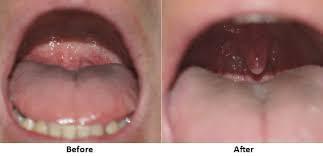
Snoring is one of the most common nighttime concerns and can affect both the person who snores and anyone sharing the bedroom. While occasional snoring may happen because of tiredness, nasal congestion, or sleeping position, frequent and loud snoring can become frustrating and may sometimes indicate an underlying breathing issue.
Knowing when to consider Snoring Treatment in Dubai can help individuals take a more proactive approach to their sleep health. Treatment does not always mean undergoing a procedure. Depending on the cause, simple lifestyle adjustments, nasal care, oral appliances, breathing support, or other professional approaches may be considered.
The important step is to understand what is causing the snoring instead of assuming that every case requires the same solution. A professional evaluation can help identify contributing factors and guide an appropriate treatment plan.
Not necessarily. Occasional snoring is generally common and may occur after a particularly tiring day, during a cold, or when sleeping in a position that narrows the airway.
The situation is different when snoring becomes regular. Persistent snoring may interfere with sleep quality and can be particularly concerning when it is accompanied by unusual breathing patterns during the night.
Paying attention to changes in sleeping habits can help determine whether it is time to seek professional advice.
If snoring happens most nights and is loud enough to disturb others, it may be worth discussing with a qualified healthcare professional.
Persistent symptoms can sometimes be linked to narrowing of the upper airway.
One of the more important warning signs is when someone notices that you stop breathing for short periods while sleeping. Breathing pauses can occur with obstructive sleep apnea and should receive appropriate medical attention.
Suddenly waking up gasping, choking, or struggling to breathe can indicate that normal airflow has been interrupted.
These symptoms should not be ignored, particularly when they happen repeatedly.
Poor-quality nighttime sleep may leave you feeling tired during the day. If you regularly struggle to stay alert despite getting what seems like enough sleep, it may be useful to discuss your symptoms with a professional.
Some individuals with sleep-related breathing problems report waking with headaches. Although headaches can have many causes, recurring morning headaches combined with loud snoring deserve attention.
Repeated nighttime disturbances can affect daytime concentration, memory, mood, and productivity. If poor sleep is affecting everyday activities, addressing the cause can be beneficial.
Several factors may contribute to recurring snoring.
An airway that becomes narrower during sleep can increase tissue vibration and create snoring sounds.
Blocked nasal passages may make breathing through the nose difficult. Allergies, congestion, inflammation, or structural factors can all contribute to reduced nasal airflow.
Back sleeping can allow the tongue and soft tissues to move toward the back of the throat, potentially narrowing the airway.
The muscles of the throat naturally relax during sleep. In some people, this relaxation can cause the airway to become significantly narrower.
Alcohol consumption, smoking, inadequate sleep, and certain habits may increase the likelihood or severity of snoring.
Excess tissue around the neck can contribute to airway narrowing in some individuals. Healthy weight management may therefore be part of a broader approach to reducing snoring.
A professional assessment is especially important when snoring is accompanied by symptoms suggesting interrupted breathing.
You should consider seeking advice if you experience:
These symptoms do not automatically mean that you have a specific sleep disorder, but they can indicate that further assessment is appropriate.
Snoring Treatment in Dubai can involve different approaches depending on the underlying cause.
There is no universal treatment that works for every person. The first step is usually to understand the nature of the snoring and determine whether another condition could be contributing to it.
Treatment may include lifestyle modifications, positional therapy, nasal management, oral appliances, positive airway pressure for diagnosed sleep apnea, or selected procedures.
The appropriate option depends on individual symptoms and professional assessment.
In some cases, making healthy changes may reduce mild snoring.
If snoring mainly occurs while sleeping on your back, moving to a side-sleeping position may help improve airflow.
Specialized pillows or positional techniques can sometimes make maintaining a side position easier.
Going to bed and waking up at similar times each day can support healthier sleep patterns.
Sleep deprivation may increase tiredness and potentially worsen snoring in some individuals.
Alcohol can relax muscles in the upper airway and may make snoring more noticeable. Limiting alcohol, particularly near bedtime, may help reduce symptoms for some people.
If a blocked nose is contributing to snoring, identifying and managing the cause of congestion may improve nighttime breathing.
For individuals whose snoring is associated with excess weight, gradual weight management may help reduce pressure around the upper airway.
Certain oral appliances are designed to reposition the jaw or tongue during sleep. By changing the position of these structures, an appliance may help create more space for airflow.
These devices are not suitable for everyone and should be selected with appropriate professional guidance.
A proper assessment can determine whether an oral appliance may be useful based on the individual's symptoms and oral and airway anatomy.
Snoring can sometimes occur alongside obstructive sleep apnea. When sleep apnea is diagnosed, positive airway pressure therapy may be recommended.
This approach uses controlled airflow to help keep the airway open during sleep.
It is important to distinguish treatment for simple snoring from treatment for diagnosed sleep apnea. If there are signs of interrupted breathing, professional evaluation should come before choosing a treatment.
Some individuals may have anatomical factors that contribute significantly to airway narrowing. In selected cases, a healthcare professional may discuss procedural options.
The suitability of any procedure depends on factors such as:
Procedural treatment should therefore be considered only after appropriate evaluation.
Seeking appropriate care can provide several potential benefits.
Reducing persistent snoring can create a more peaceful sleeping environment.
Loud snoring can repeatedly wake a partner. Managing the underlying problem may improve the sleep experience for both people.
If snoring is contributing to disrupted sleep, addressing it may support better daytime alertness.
An evaluation can help determine whether snoring is an isolated issue or associated with a broader sleep-related breathing problem.
Professional care makes it possible to focus on the actual cause rather than relying on a generic remedy.
Before seeking Snoring Treatment in Dubai, it can be helpful to keep track of your symptoms.
Consider noting:
If someone regularly sleeps near you, their observations may also provide useful information because many people do not realize how they breathe during sleep.
Ignoring chronic snoring may mean overlooking an underlying problem. While not every case is medically serious, repeated symptoms can affect sleep quality and everyday well-being.
More importantly, loud snoring accompanied by breathing pauses, choking, or excessive daytime sleepiness may require evaluation for sleep apnea.
The goal of treatment should not simply be to eliminate the sound. It should be to understand whether nighttime breathing is being affected and address the contributing factors appropriately.
There are many products and remedies marketed for snoring, but choosing an option simply because it is popular may not produce the desired results.
A suitable treatment should consider:
A personalized approach can help avoid unnecessary treatments and focus attention on the factors most likely to be contributing to the problem.
When considering Snoring Treatment in Dubai, professional guidance can help you understand your symptoms and explore appropriate options. Tajmeels Clinic can be considered when seeking a structured consultation for persistent snoring concerns.
The treatment approach should be based on an individual's symptoms and underlying factors rather than a one-size-fits-all method. Discussing concerns with a qualified healthcare professional can help determine whether lifestyle changes, additional testing, or a targeted treatment may be appropriate.
You should consider professional advice if snoring is frequent, very loud, disruptive, or accompanied by breathing pauses, gasping, excessive daytime sleepiness, or other unusual sleep symptoms.
Sometimes. Changing sleep position, improving sleep habits, managing nasal congestion, avoiding alcohol before bedtime, and maintaining a healthy weight may help some people with mild snoring.
No. Snoring can occur without sleep apnea. However, breathing pauses, choking, gasping, and significant daytime sleepiness can be warning signs that require professional evaluation.
An appropriately selected oral appliance may help certain people by repositioning the jaw or tongue and improving airflow. Professional assessment is recommended before using one.
There is no single best treatment for everyone. The most suitable option depends on the cause, severity, anatomy, lifestyle, and whether another sleep-related breathing condition is present.
Knowing when to consider Snoring Treatment in Dubai is an important part of taking persistent nighttime breathing symptoms seriously. Occasional snoring may be harmless, but regular loud snoring, breathing pauses, gasping, daytime fatigue, and other sleep-related symptoms deserve professional attention.
Treatment can range from simple lifestyle adjustments to oral appliances, breathing support, or selected medical procedures. The right approach depends on the individual and the reason behind the snoring. Tajmeels clinic can support individuals who want to explore their symptoms and understand suitable treatment possibilities.
Addressing persistent snoring can be an important step toward more comfortable nights, better sleep habits, and improved overall quality of life.