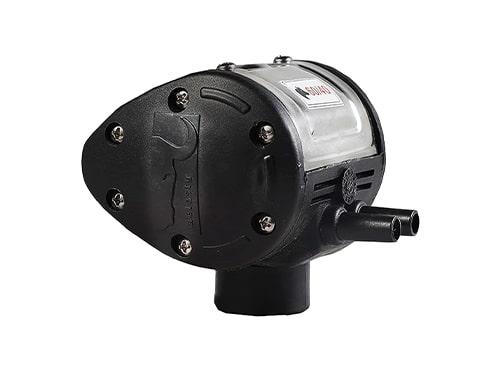
If you have ever watched a calf nurse, you have seen something that dairy engineers spent decades trying to copy. The calf does not pull constantly. It sucks in a steady rhythm, with little pauses built in. That rhythm is exactly what a pulsator recreates inside a milking machine. It is a small part, often no bigger than your fist, but it may be the single most important component standing between a calm, productive milking session and a herd dealing with sore teats, falling yields, and constant mastitis problems.
What a Pulsator Actually Does
A pulsator controls the space between the hard outer shell of a teat cup and the soft rubber liner inside it. This space is called the pulsation chamber. The pulsator alternates vacuum and normal air pressure inside that chamber, and this is what makes the liner open and close around the teat in a steady beat.
When vacuum fills the chamber, the liner opens and milk flows. This is called the milk phase. When air enters the chamber while vacuum stays inside the liner, the liner closes gently around the teat tip. This is the rest phase, and it massages the teat and lets blood flow return to the tissue.
Without this open and close cycle, a milking machine would simply apply nonstop suction to the teat. That sounds efficient, but it is actually harmful. Continuous vacuum restricts blood flow, damages tissue, and eventually causes real pain, which makes cows resist milking rather than cooperate with it. The pulsator is what turns raw suction into something closer to natural milking.
Key Features to Look For in a Good Pulsator
Not every pulsator performs the same way, even if they look similar on the outside. When you are evaluating one, whether for a new setup or a replacement part, these are the features that actually matter:
- Accurate pulsation rate control so cycles per minute stay consistent instead of drifting over weeks of use
- Stable pulsation ratio that holds a steady milk phase to rest phase split, commonly 60 to 40 for cattle
- Durable diaphragm or valve mechanism built from materials that resist wear from constant vacuum cycling
- Low air consumption so it does not place unnecessary load on the vacuum pump or the wider system
- Quiet, smooth operation, since a loud or irregular pulsator often signals early mechanical wear
- Easy access for servicing so diaphragms, membranes, and valves can be checked or replaced without dismantling the whole unit
- Compatibility with your milking system, whether that is a bucket unit, trolley system, or pipeline installation
- Corrosion-resistant housing to handle the washdown and moisture exposure typical of a milking parlour
- Synchronization capability for farms running multiple units, so pulsation stays aligned across the whole system
Types of Milking Machine Pulsators
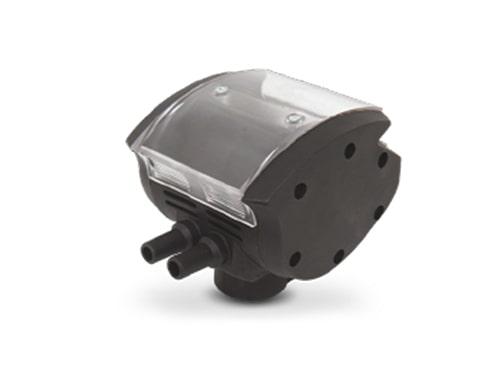
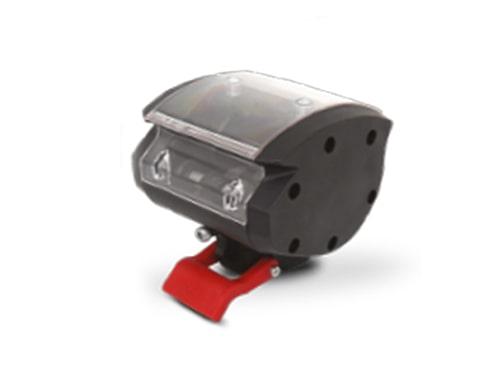
Pulsators generally fall into a few main categories, and picking the right one depends on your herd size, parlor setup, and how much precision you need.
- Pneumatic or mechanical pulsators: Operate using vacuum-driven valves and diaphragms. They are simple, affordable, and easy for most farmers to service on their own, which makes them common on small and mid-sized farms.
- Electronic pulsators use a solenoid valve controlled by an electronic timing circuit. They hold their pulsation rate and ratio far more precisely over time, with less drift, and are often preferred on larger or more automated operations.
- Alternating pulsators: Pair two teat cups so one is in the milk phase while the other rests, which helps stabilize vacuum at the claw. This design is gentle on teats and common in bucket and pipeline systems.
- Simultaneous pulsators: All teat cups open and close together. This is a simpler design that works well in rotary parlors and larger systems where vacuum regulation is handled elsewhere in the system.
- Master and slave synchronized systems: One central controller drives several pulsators in sync. This is typical in large parlors and rotary platforms where dozens of units need to run without interfering with each other.
Applications of Milking Machine Pulsators
Pulsators are not limited to one type of farm or one type of animal. You will find them working across a wide range of dairy operations:
- Cow dairies, from small family farms with a single bucket unit to large commercial operations running rotary parlors
- Buffalo dairies, where teat structure and milk flow characteristics often call for adjusted pulsation settings
- Goat and sheep dairies, which typically use faster pulsation rates than cattle due to differences in udder anatomy
- Mobile and trolley milking systems used on smaller farms or for on field milking situations
- Pipeline milking systems in barns where cows are milked in place rather than moved to a separate parlor
- Automated and robotic milking setups, where electronic pulsators integrate with sensors and software to adjust settings in real time
- Research and veterinary settings, where precise, adjustable pulsation is used to study udder health and milking physiology
Benefits of a Well-Functioning Pulsator
When a pulsator is doing its job correctly, the benefits show up across nearly every part of the operation, not just in the parlor.
- Protects teat and udder health by restoring blood flow during every rest phase, which prevents swelling, cracking, and long-term tissue damage
- Improves milk yield by ensuring cows are milked out completely instead of leaving residual milk behind
- Reduces mastitis risk by keeping teat end tissue in good condition, since damaged tissue is far more vulnerable to infection
- Speeds up milking time by encouraging a faster, more natural let down response from calmer cows
- Lowers labor costs on larger farms where even small time savings per cow add up significantly across hundreds of milkings a day
- Extends the working life of other equipment since stable, correct pulsation reduces strain on liners, claws, and the vacuum system as a whole
- Supports consistent milk quality by helping maintain lower somatic cell counts across the herd
- Improves animal welfare by replicating a natural, low stress rhythm that keeps cows comfortable and cooperative during milking
Common Signs Something Is Wrong
A failing pulsator rarely breaks all at once. It usually drifts slowly, which is exactly why it gets missed. Watch for:
- Milking sessions that take noticeably longer than usual
- A bulk tank somatic cell count that keeps climbing for no obvious reason
- Visible swelling or cracking around teat ends after milking
- An uneven, clicking, or irregular sound instead of a steady beat
- Cows that suddenly seem restless, kicking, or uncomfortable during milking when they were not before
- Uneven milking between quarters on the same cow
If you notice two or more of these at once, it is worth testing the pulsation rate and ratio directly rather than guessing based on sound alone.
Keeping a Pulsator in Good Condition
A simple maintenance rhythm goes a long way:
- Check for cracks, blockages, or wear before each milking session
- Clean air filters weekly so dust does not clog the valves
- Test pulsation rate and ratio monthly with a proper tester instead of relying on how it sounds
- Replace worn diaphragms or membranes roughly every six to twelve months
- Have the full system professionally serviced at least once a year to confirm every unit stays in sync
- Check liners and pulsators together, since problems in one often hide or mimic problems in the other
The Bottom Line
A pulsator is easy to overlook because it is small, quiet, and hidden inside the teat cup assembly. But it is doing one of the most biologically important jobs in the entire milking process, cycle after cycle, cow after cow, every single day. Knowing its key features, understanding the type that fits your operation, and staying on top of maintenance are some of the simplest and most effective things a dairy farm can do to protect both animal welfare and long-term profitability.
 English
 Arabic
 French
 Spanish
 Portuguese
 Deutsch
 Turkish
 Dutch
Dutch
 Italiano
 Russian
 Romaian
 Portuguese (Brazil)
 Greek
Greek
 Advertise With Us
 About Us
 Terms And Conditions
 سياسة الخصوصية
عرض كل النتائج
سياسة الخصوصية
عرض كل النتائج