English
 Arabic
 French
 Spanish
 Portuguese
 Deutsch
 Turkish
 Dutch
Dutch
 Italiano
 Russian
 Romaian
 Portuguese (Brazil)
 Greek
Greek
(A Story by) The Gift of Not Belonging: How Outsiders Thrive in a World of Joiners by Rami Kaminski
Dance |
2026-06-25 06:43:40
 Advertise With Us
 About Us
 Terms And Conditions
 Политика конфиденциальности
Смотреть все
Политика конфиденциальности
Смотреть все

Обновить до Про
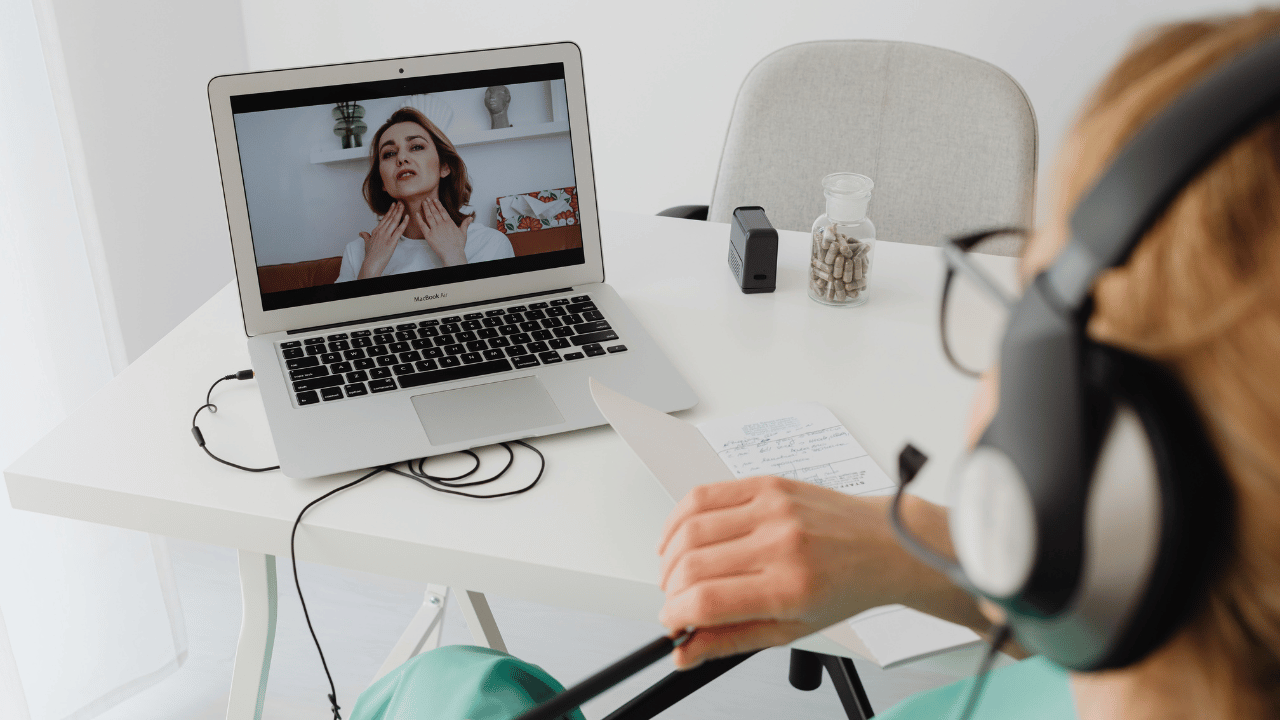
Online therapy can be just as effective as in-person therapy for many mental health concerns, including anxiety, depression, stress, relationship challenges, and trauma. Research over the last decade shows that virtual counseling provides similar outcomes when clients actively participate, communicate openly, and work with a qualified therapist.
A few years ago, many people viewed therapy as something that only happened in a quiet office with a couch and a box of tissues nearby. Today, a growing number of individuals attend therapy sessions from their living rooms, parked cars, or even during lunch breaks at work. The shift toward virtual mental health care has changed how people access support, especially those with busy schedules, mobility limitations, or limited local resources.
Still, one question continues to come up: can online therapy truly match the emotional connection and effectiveness of face-to-face sessions? The answer depends on several factors, including the type of therapy, the client’s comfort level with technology, and the quality of the therapeutic relationship.
Online therapy, sometimes called teletherapy or virtual counseling, involves working with a licensed mental health professional through video calls, phone sessions, messaging platforms, or secure mental health apps.
The structure of therapy remains largely the same as traditional counseling. Therapists still help clients explore emotions, develop coping skills, improve communication, and manage mental health conditions. The main difference is the method of delivery.
Many evidence-based approaches, including cognitive behavioral therapy, trauma-focused therapy, and CBT Therapy for Couples, are now commonly offered online.
One of the biggest advantages of online therapy is accessibility. People living in rural areas or communities with limited mental health resources can connect with specialists they otherwise would not have access to.
Virtual sessions also help individuals who struggle with transportation, physical disabilities, chronic illness, or demanding work schedules.
Some people feel more relaxed talking from their own environment. Being at home can reduce the anxiety that sometimes comes with entering a therapist’s office for the first time.
For couples seeking relationship support, CBT Therapy for Couples delivered online may feel less intimidating because both partners can participate from a familiar setting.
Online therapy often offers more scheduling flexibility, including evening or weekend appointments. This convenience helps clients stay consistent with treatment, which is a major factor in successful outcomes.
Studies consistently show that online therapy can effectively treat many common mental health concerns. Conditions that respond well to virtual treatment include:
Anxiety disorders
Depression
Stress and burnout
PTSD
Relationship conflict
Panic disorders
Mild to moderate behavioral concerns
Therapists can still teach coping strategies, monitor progress, and provide emotional support through secure video platforms.
Approaches like CBT Therapy for Couples are especially adaptable to virtual settings because they focus heavily on communication patterns, thought processes, and practical exercises that couples can practice at home.
The strongest predictor of therapy success is often the relationship between therapist and client, not necessarily whether sessions happen online or in person.
If clients feel heard, respected, and emotionally safe, meaningful progress can happen virtually just as it can in a physical office.
People with anxiety sometimes prefer online sessions because they feel less pressure in familiar surroundings. Virtual therapy can reduce barriers that might otherwise prevent someone from seeking help.
Many couples benefit from online counseling because it simplifies scheduling and reduces travel-related stress. Therapists can still guide communication exercises, conflict resolution strategies, and emotional regulation techniques remotely.
CBT Therapy for Couples is commonly used online to help partners identify unhealthy thought patterns, improve communication, and strengthen emotional connection.
Clients who have already established stability in their mental health often find online sessions convenient for maintaining progress over time.
While online therapy is highly effective for many people, there are situations where face-to-face care may be more appropriate.
Individuals experiencing severe psychiatric symptoms, active suicidal thoughts, psychosis, or immediate safety concerns may require in-person evaluation or emergency intervention.
Some people struggle to speak openly because they share living spaces with family members, roommates, or partners. Privacy challenges can make therapy sessions feel uncomfortable or limited.
Not everyone feels emotionally connected through a screen. Some clients simply prefer physical presence, body language cues, and the atmosphere of an in-person office.
Busy schedules often make couples counseling difficult to coordinate. Virtual sessions reduce commuting time and make it easier for both individuals to attend consistently.
Couples participating in CBT Therapy for Couples online often practice communication techniques directly within their home environment. This can make new skills feel more realistic and easier to apply in daily life.
Driving to therapy while arguing can increase stress before sessions even begin. Online therapy removes that logistical pressure and allows couples to focus more on the actual work of healing.
Choose a quiet location where interruptions are limited. Wearing headphones can also improve privacy and focus.
Avoid multitasking during therapy. Give the session the same attention and commitment you would give during an office appointment.
If technology issues, emotional discomfort, or communication problems arise, talk openly with your therapist. Therapy works best when concerns are addressed directly.
Consistency matters more than format. Whether sessions happen online or in person, regular attendance supports long-term progress.
For relationship work, CBT Therapy for Couples often includes exercises between sessions. Practicing these techniques consistently can significantly improve outcomes.
Many people are surprised by how emotionally connected virtual sessions can feel. Skilled therapists know how to build trust and create meaningful conversations online.
While severe crises may require higher levels of care, many moderate mental health conditions respond extremely well to online treatment.
Relationship counseling can absolutely work online. In fact, CBT Therapy for Couples is one of the most adaptable approaches for virtual settings because it emphasizes practical communication tools and structured exercises.
Whether online or in person, finding the right therapist matters more than the format itself.
Look for a professional who:
Is properly licensed
Has experience with your concerns
Uses evidence-based approaches
Communicates clearly and respectfully
Makes you feel emotionally safe
If you are seeking relationship support, ask whether the therapist has training in CBT Therapy for Couples or other structured couples counseling methods.
Online therapy has transformed mental health care by making professional support more accessible, flexible, and convenient. For many individuals and couples, virtual counseling provides the same emotional growth, coping skills, and relationship improvements traditionally associated with office-based therapy.
The most important factor is not where therapy happens, but whether clients feel supported, engaged, and committed to the process. With the right therapist and consistent participation, online therapy can be a powerful tool for meaningful healing and long-term mental wellness at Awaken Mind Center.
1. Is online therapy confidential?
Yes, licensed therapists use secure and encrypted platforms designed to protect client privacy.
2. Can online therapy help with relationship problems?
Yes, many couples benefit from virtual counseling, including CBT Therapy for Couples.
3. Is online therapy cheaper than in-person therapy?
Sometimes. Costs vary depending on the therapist, platform, and insurance coverage.
4. What equipment do I need for online therapy?
Usually a smartphone, tablet, or computer with internet access and a camera.
5. How do I know if online therapy is right for me?
If you value flexibility, privacy, and convenience, online therapy may be an excellent option.