English
 Arabic
 French
 Spanish
 Portuguese
 Deutsch
 Turkish
 Dutch
Dutch
 Italiano
 Russian
 Romaian
 Portuguese (Brazil)
 Greek
Greek
Stay Connected with the Latest Updates and Online Entertainment
Food |
2026-07-28 06:13:59
 Advertise With Us
 About Us
 Terms And Conditions
 Política de privacidade
Ver todos
Política de privacidade
Ver todos

Atualizar para Plus
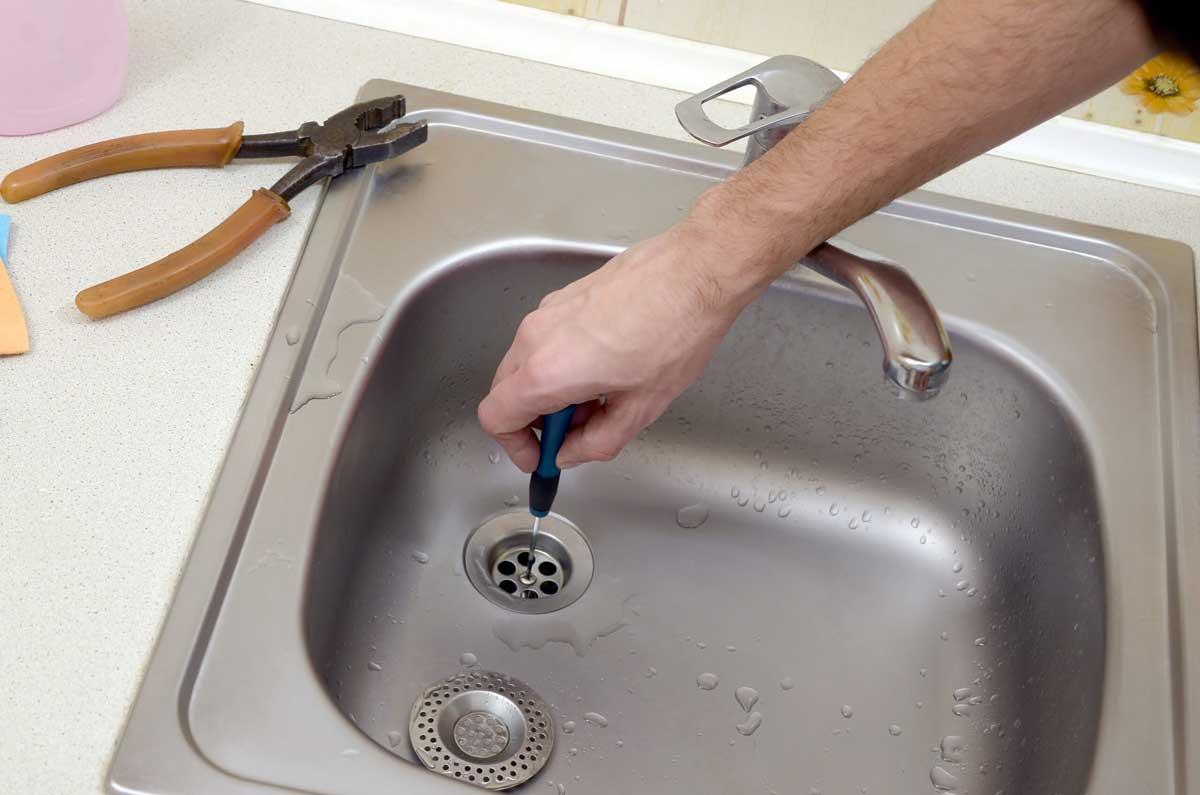
A healthy plumbing system depends on more than fixing a drain after it becomes completely blocked. Over time, hair, grease, soap residue, food particles, mineral deposits, and other debris can accumulate inside drainage pipes and gradually restrict water flow. Professional Drain Cleaning Services can remove buildup before it develops into a major blockage, unpleasant odor, or wastewater backup. However, the ideal cleaning frequency is not identical for every household because plumbing age, usage, pipe condition, and household habits all influence how quickly buildup develops. Understanding these factors can help homeowners create a practical maintenance schedule instead of waiting for an emergency.
Many homeowners assume that a drain only needs professional attention when water stops moving, but recurring symptoms can appear much earlier. A sink that drains slightly slower than normal, a shower that holds water around the drain, or a recurring odor may indicate developing buildup. Addressing these signs early can make maintenance easier and may reduce the likelihood of more disruptive plumbing problems. Professional cleaning can also provide an opportunity to identify concerns that ordinary household maintenance cannot reveal. A preventive approach is particularly valuable for older homes, larger households, and properties that have experienced repeated drainage issues.
For many homes, professional drain cleaning every one to two years can be a reasonable starting point when the plumbing is functioning normally and there is no history of recurring blockages. This is not a strict rule because some properties may need service more frequently, while others may require it less often. A household with several occupants, heavy kitchen use, or older plumbing may experience faster accumulation than a smaller household with newer pipes. Your plumber can recommend a schedule based on the actual condition and usage of the drainage system. Regular assessment is more useful than following a calendar blindly when plumbing conditions vary significantly.
Homes that already experience slow drains or recurring clogs may need attention sooner than a property with consistently strong drainage. Repeated blockages can indicate that significant material remains inside the pipe after a previous clearing or that another underlying problem is present. In these situations, simply scheduling another cleaning at the same interval may not solve the problem. A professional can determine whether deeper cleaning, inspection, maintenance, or repair is appropriate. The purpose of preventive service should be to understand and manage the condition of the plumbing rather than repeatedly treating the same symptoms.
The number of people living in a home can have a noticeable effect on how much material enters the drainage system. Larger households typically use sinks, showers, bathtubs, toilets, and laundry facilities more frequently, increasing the amount of hair, soap residue, food particles, and wastewater passing through the pipes. Homes with several bathrooms may also have more individual drains that require attention. This does not automatically mean that every large household needs frequent professional cleaning, but higher usage can increase the importance of regular monitoring. Paying attention to changes in drainage speed can help determine when maintenance is becoming necessary.
Kitchen habits are another important consideration because cooking grease and food residue can gradually accumulate inside drainage lines. Even when homeowners use strainers and avoid intentionally pouring grease into the sink, small amounts of residue can still enter the plumbing during everyday washing. Bathrooms commonly collect hair, soap residue, and personal-care product buildup around drain openings and deeper sections of the line. Over time, these materials can combine and narrow the passage available for wastewater. Good daily habits can reduce buildup, but professional cleaning may still be useful when deposits become difficult to remove through routine maintenance.
Slow drainage is one of the clearest signs that a plumbing line may need inspection or cleaning. If water begins taking noticeably longer to disappear from a sink, bathtub, or shower, there may already be material restricting the pipe. A single slow fixture may have a localized obstruction, while several affected fixtures can indicate a problem farther down the drainage system. Ignoring gradual changes can allow a partial blockage to become a complete obstruction. Calling a professional when the problem first appears may make it easier to determine the cause before wastewater begins backing up.
Unpleasant odors can also indicate that organic material or stagnant wastewater is collecting somewhere inside the plumbing. Gurgling sounds, bubbling toilets, and recurring backups provide additional clues that water and air are not moving normally through the drainage system. These symptoms should receive greater attention when they appear repeatedly or affect more than one fixture. Professional Drain Cleaning Services can help identify whether accumulated debris is responsible or whether another plumbing problem needs investigation. Early diagnosis is especially important when symptoms continue after basic household maintenance.
Preventive cleaning is designed to address buildup before it becomes severe enough to interrupt normal household activities. A professional can use appropriate equipment to clear accumulated debris and restore better flow through suitable sections of the drainage system. Depending on the plumbing and type of buildup, methods may include mechanical drain cleaning or specialized water-based cleaning techniques. The selected method should be based on the pipe condition and obstruction rather than simply using the most aggressive option available. Properly performed maintenance can help support reliable drainage while reducing the need for repeated emergency interventions.
Another benefit of professional maintenance is that it can reveal patterns that homeowners may not notice. If a particular drain repeatedly requires cleaning, the recurring issue may indicate an underlying condition that needs further investigation. Root intrusion, pipe deterioration, heavy scaling, poor drainage design, or damaged connections can all contribute to repeated problems. Cleaning may restore flow temporarily, but addressing the underlying cause is usually more important for long-term reliability. A qualified plumber can explain whether routine cleaning is sufficient or whether additional diagnostic work should be considered.
Drain maintenance and leak prevention are closely connected because problems inside or around plumbing lines can sometimes remain hidden for extended periods. A small leak behind a wall, under a floor, or beneath a fixture may not produce obvious signs immediately. Professional Leak Detection and Repair can help locate suspected leaks and determine whether a plumbing component needs attention. Detecting water loss early may help limit moisture-related damage and prevent a relatively small plumbing defect from becoming a larger repair issue. Regular plumbing assessments can therefore address more than visible drain performance.
Leak detection is particularly valuable when unexplained moisture, unusually high water usage, damp areas, staining, or persistent musty odors appear around plumbing fixtures. Not every unusual sign means there is a hidden leak, but recurring symptoms deserve professional evaluation. Drain cleaning and leak inspection serve different purposes, so one should not automatically be treated as a substitute for the other. When both drainage and water-loss concerns are present, a plumber can evaluate the system more comprehensively. This approach can help property owners understand whether multiple symptoms have a shared cause or represent separate plumbing issues.
Older homes often deserve closer plumbing monitoring because their drainage systems may contain aging materials, previous repairs, accumulated scale, or outdated components. Years of normal use can leave deposits inside pipes, gradually reducing their effective diameter and making blockages more likely. However, the age of a property alone does not determine how frequently professional cleaning should occur. A well-maintained older plumbing system may perform reliably, while a newer system can develop problems because of poor usage habits or installation issues. A professional assessment provides more useful information than relying solely on the home's construction date.
Homeowners with older plumbing should pay particular attention to recurring slow drains, frequent backups, unusual odors, and unexplained moisture. Aggressive cleaning methods should not be selected without considering the condition and material of the existing pipes. A professional can determine whether conventional cleaning is appropriate or whether inspection should come first. If pipe deterioration is suspected, repeated cleaning may not be the best long-term answer. Understanding the condition of the plumbing helps ensure maintenance efforts support the system rather than creating unnecessary stress.
Daily habits can significantly influence how quickly drainage pipes become restricted. In the kitchen, avoid pouring cooking oil, grease, and large amounts of food residue directly into the sink. In bathrooms, use drain screens to catch hair and clean them regularly before debris enters the plumbing. Toilets should only be used for materials that are appropriate for flushing, since unsuitable items can contribute to serious blockages farther down the line. These simple precautions can reduce the amount of unnecessary material entering the drainage system.
Routine household maintenance should complement, rather than replace, professional plumbing care. Cleaning accessible drain covers and removing visible debris can help keep fixtures functioning normally, but deeper buildup may require specialized equipment. Homeowners should also avoid repeatedly relying on harsh chemical cleaners when a drain continues to clog because the underlying problem may remain unresolved. If a simple blockage returns soon after treatment, professional evaluation is a more useful next step. Combining sensible daily habits with periodic inspection can create a stronger maintenance strategy for the entire home.
A fixed maintenance schedule should never prevent homeowners from calling a professional when serious warning signs appear. Wastewater backing up into a sink, bathtub, shower, or floor drain can indicate a substantial blockage that requires prompt attention. Multiple slow drains occurring at the same time may suggest a restriction in a shared branch or main drainage line. Strong sewage odors and repeated gurgling sounds can also indicate that wastewater is not moving correctly through the system. These conditions deserve timely evaluation rather than waiting for the next routine cleaning appointment.
Emergency symptoms can sometimes be accompanied by water damage or sanitation concerns, particularly when contaminated wastewater enters living areas. If a backup occurs, keep people and pets away from affected water and avoid unnecessary contact with potentially contaminated materials. A professional can determine whether the problem involves accumulated debris, a sewer-line restriction, pipe damage, or another condition. Depending on the findings, Drain Cleaning Services may be sufficient, or additional plumbing repair may be necessary. Prompt action can help limit disruption and provide a clearer path toward restoring normal drainage.
A practical maintenance schedule should combine professional assessments with everyday observation rather than relying on one fixed date each year. Homes with normal drainage and no history of problems may benefit from periodic professional evaluation every one to two years. Properties with older pipes, heavy usage, recurring clogs, or previous drainage problems may require more frequent attention. Your plumber can adjust the schedule based on actual conditions and the performance of the system. Keeping simple notes about recurring issues can also help identify patterns during future service visits.
It is also wise to include plumbing inspections when buying, renovating, or significantly changing a property. Remodeling projects can affect drainage configurations, fixtures, and connections, making professional evaluation valuable before and after major work. Similarly, homeowners planning to sell may benefit from addressing known plumbing issues before they become visible problems. Leak Detection and Repair can be included in a broader plumbing assessment when there are signs of hidden water loss. A proactive maintenance plan can provide greater confidence that the home's plumbing is being managed based on evidence rather than guesswork.
There is no universal schedule that guarantees every home will need professional drain cleaning at exactly the same interval. For many households, an assessment every one to two years can provide a useful starting point, while properties with heavy usage, older plumbing, or recurring blockages may need more frequent service. The most important factor is not the calendar alone but the condition and behavior of the drainage system. Slow water, odors, gurgling, and repeated backups should be treated as reasons to investigate rather than symptoms to ignore. Professional Drain Cleaning Services can help maintain dependable flow and identify concerns before they become more disruptive.
Healthy plumbing also requires attention beyond the drains themselves. Hidden leaks, deteriorating components, and other plumbing defects can contribute to costly damage if they remain undetected. Professional Leak Detection and Repair can help investigate unexplained moisture or water-loss concerns when they arise. By combining responsible household habits, periodic professional cleaning, timely inspections, and prompt attention to warning signs, homeowners can support a more reliable plumbing system. A proactive approach is often the simplest way to protect everyday comfort while reducing the risk of unexpected drainage emergencies.